
Last updated November 15, 2026
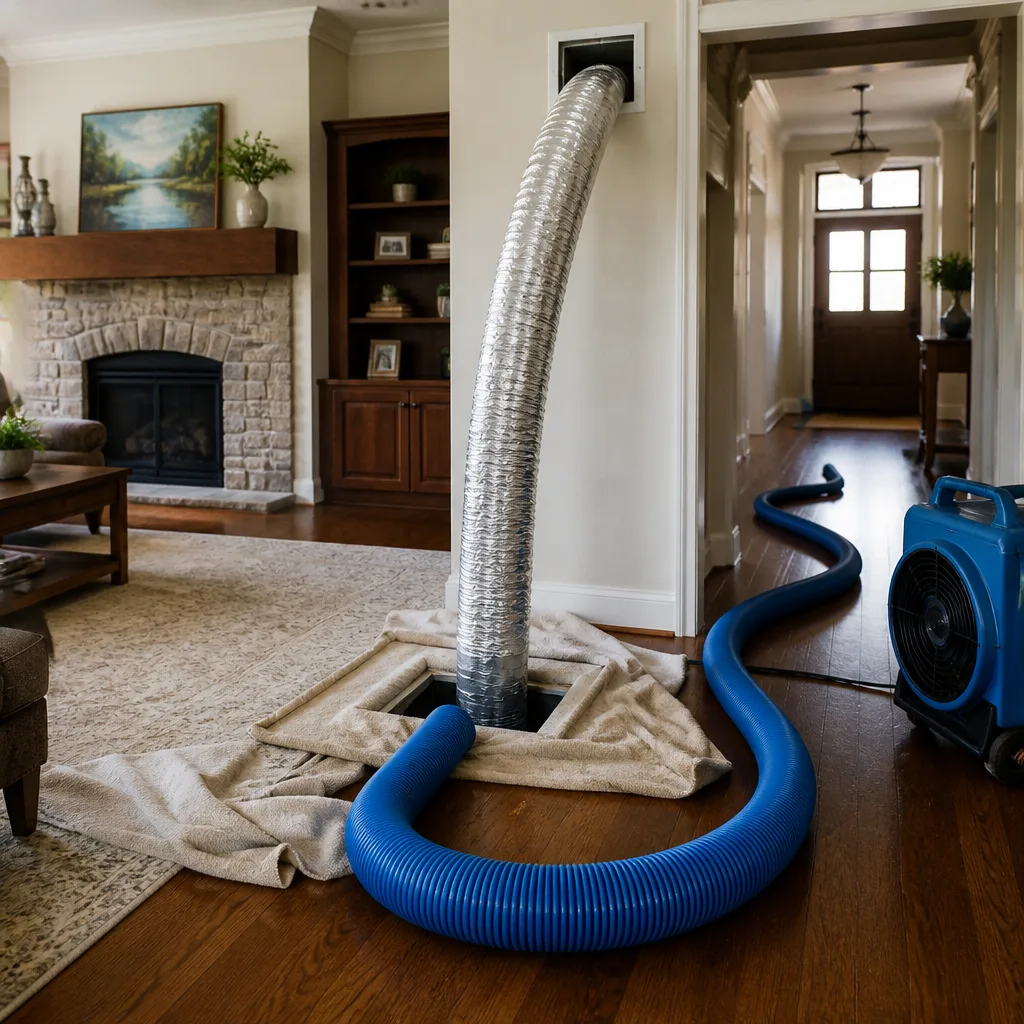 Whole-home duct cleaning
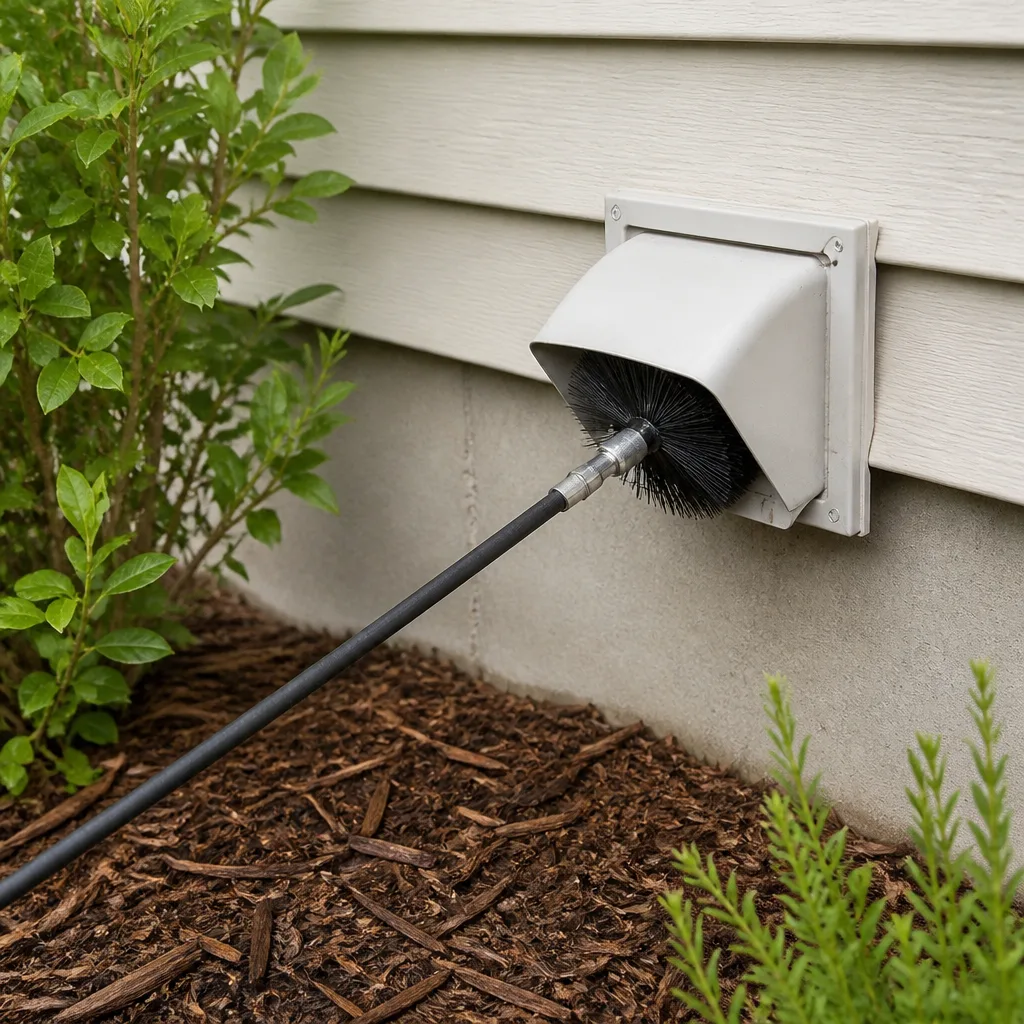 Dryer vent cleaning
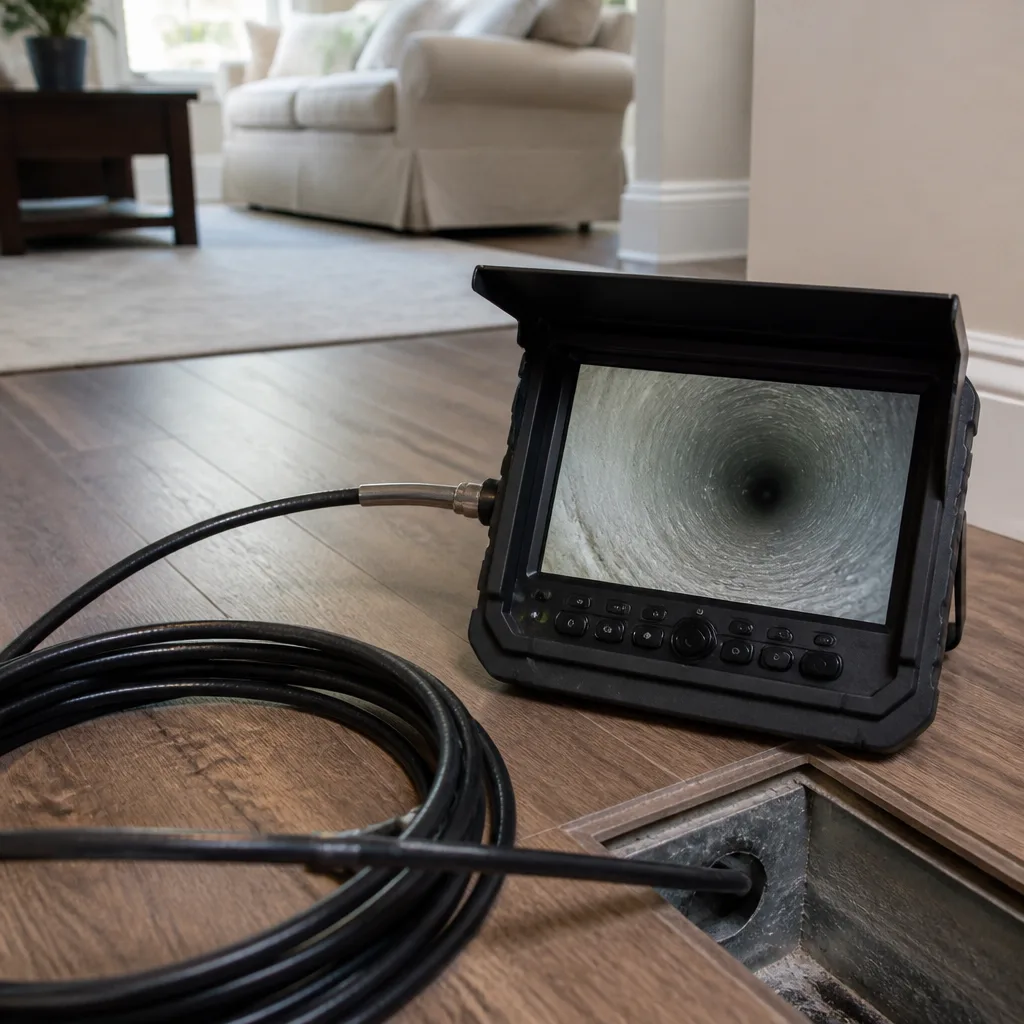 Camera inspection
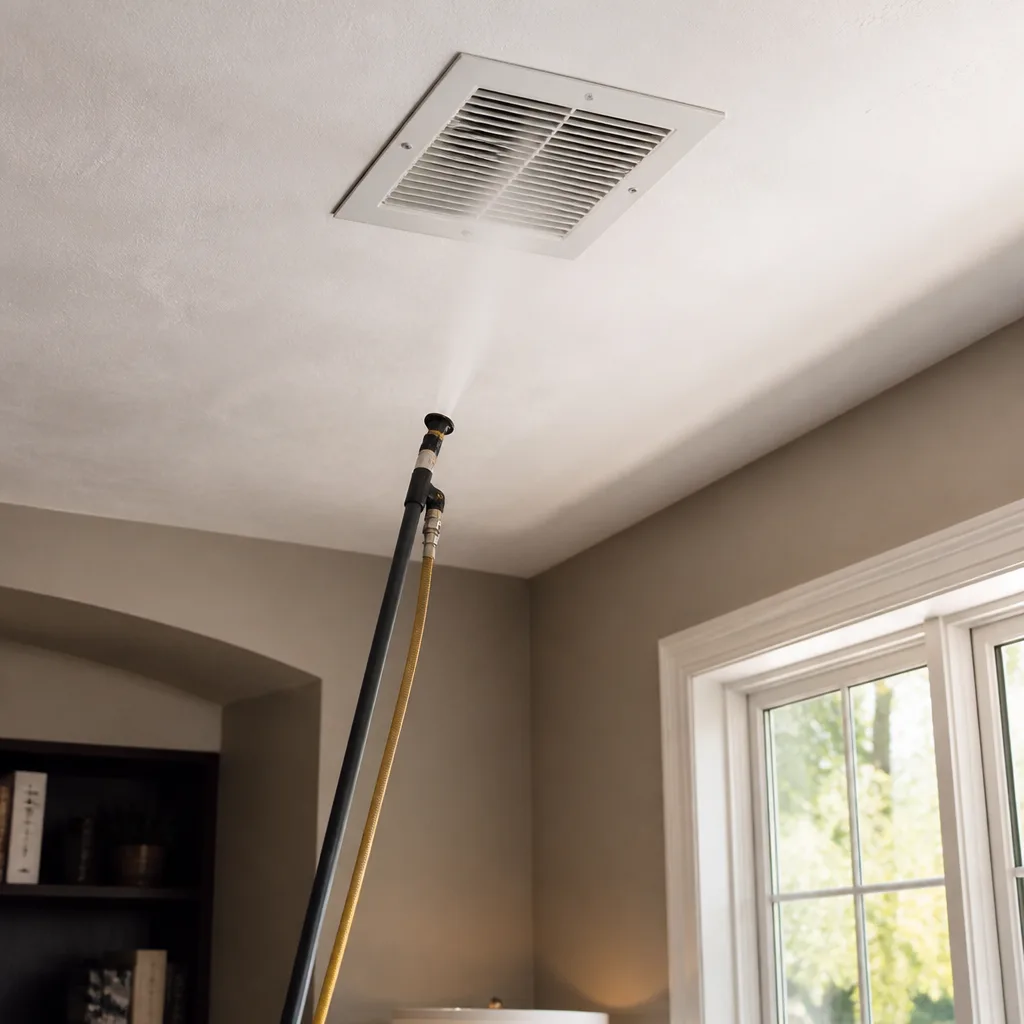 Sanitizing & deodorizing
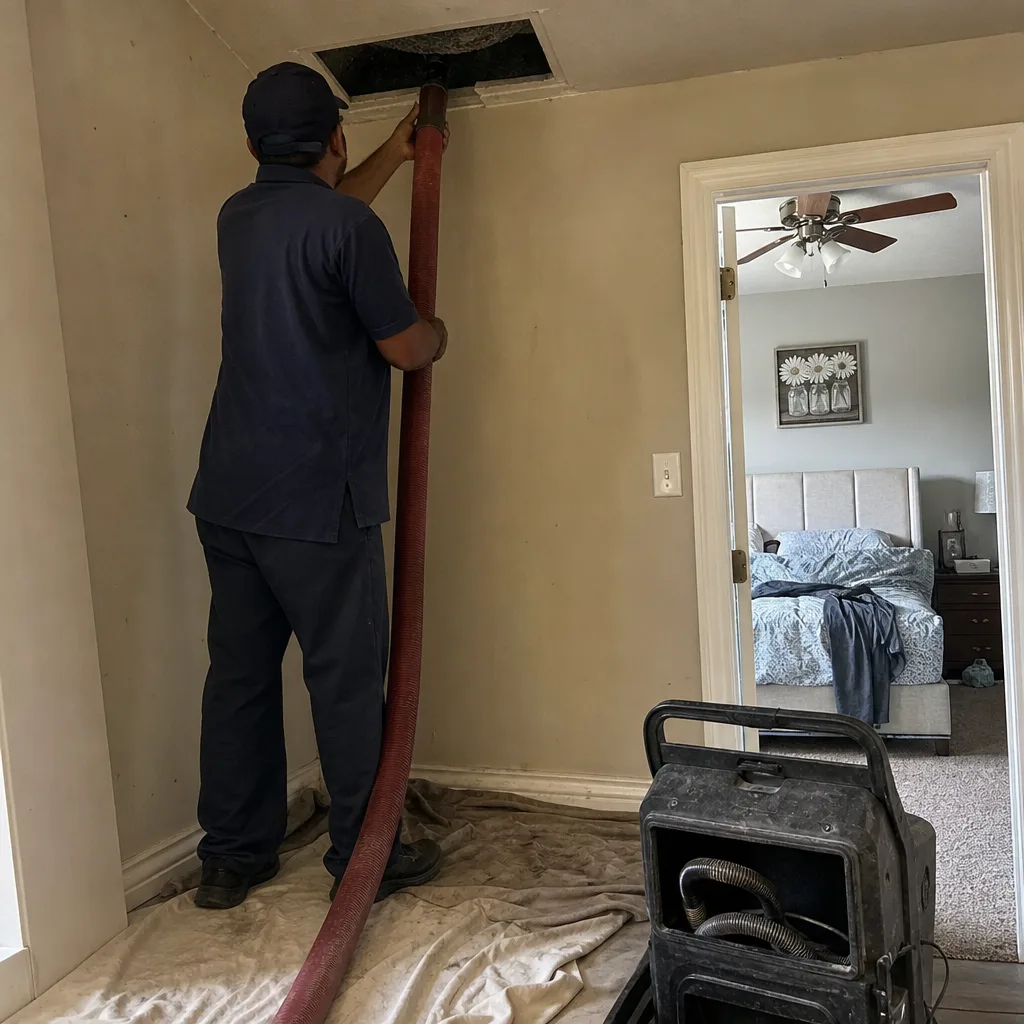
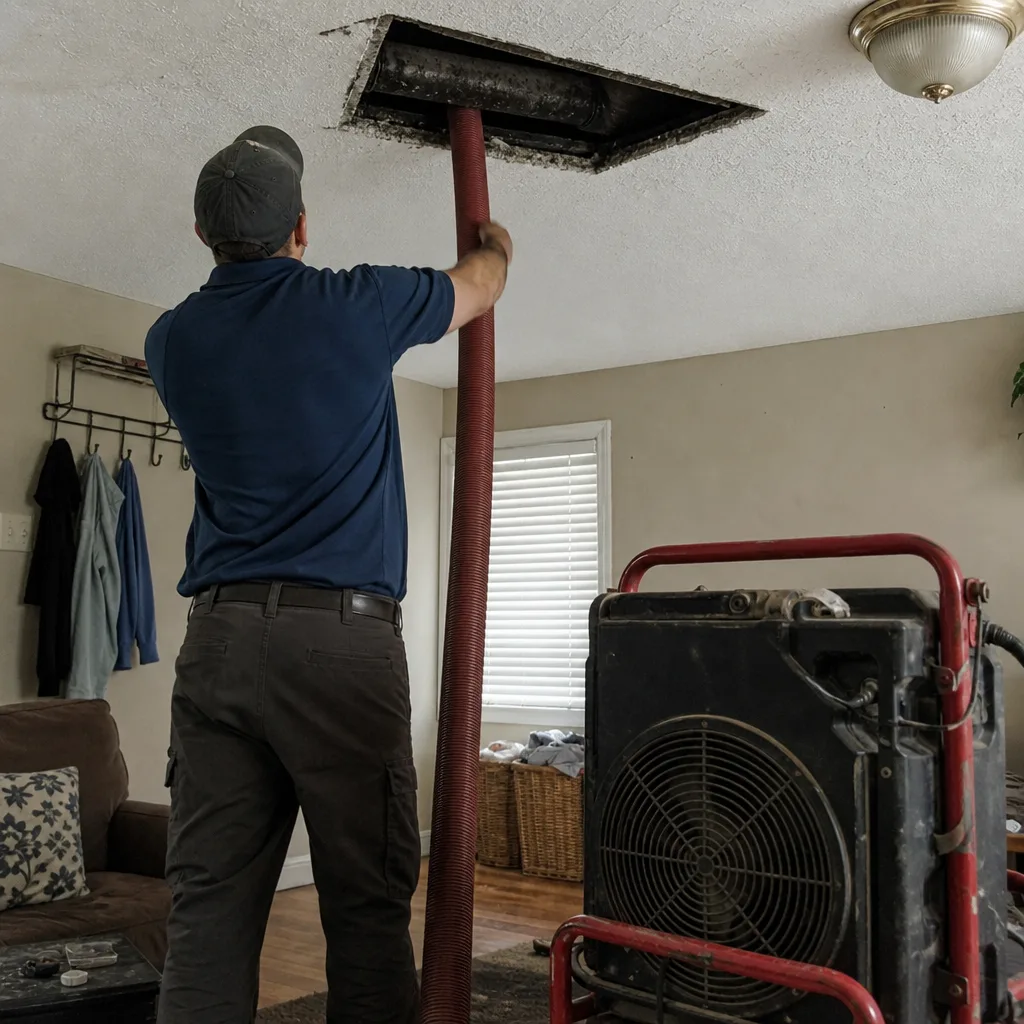
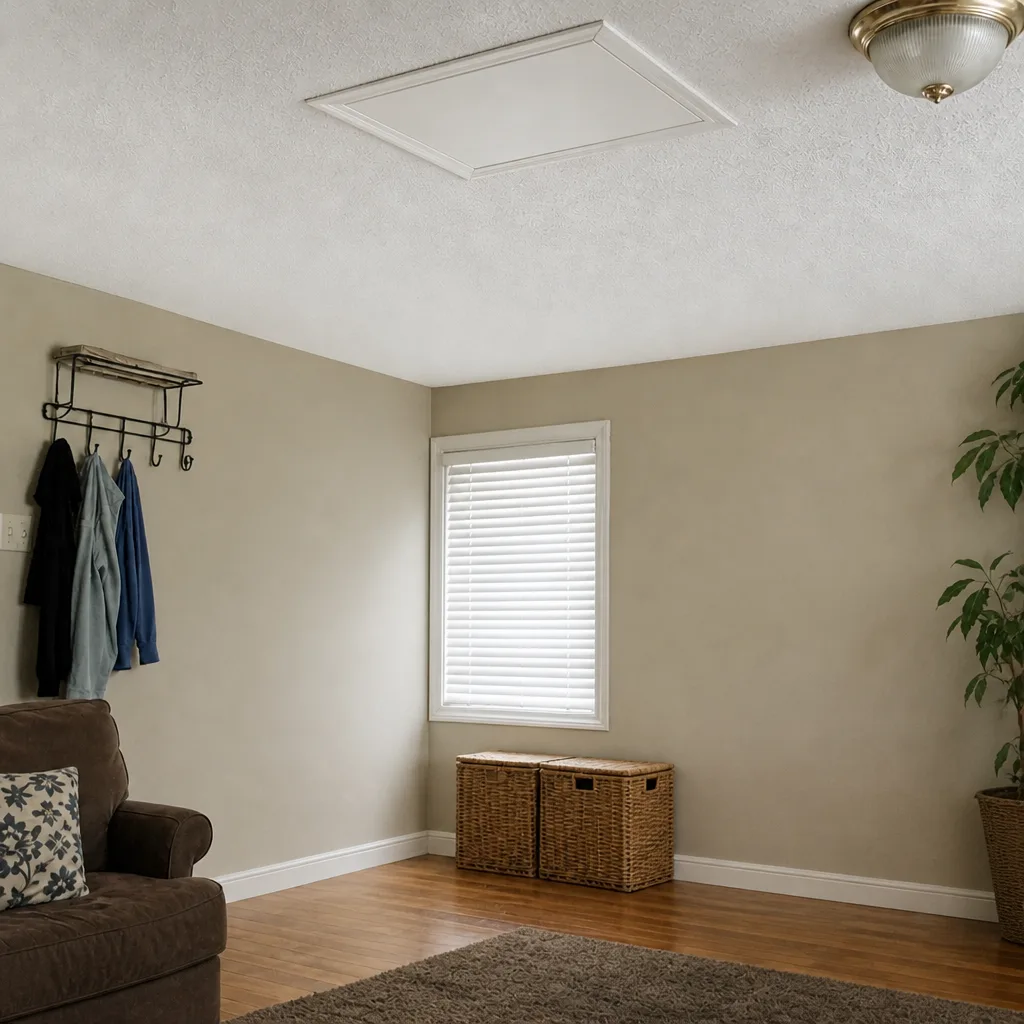
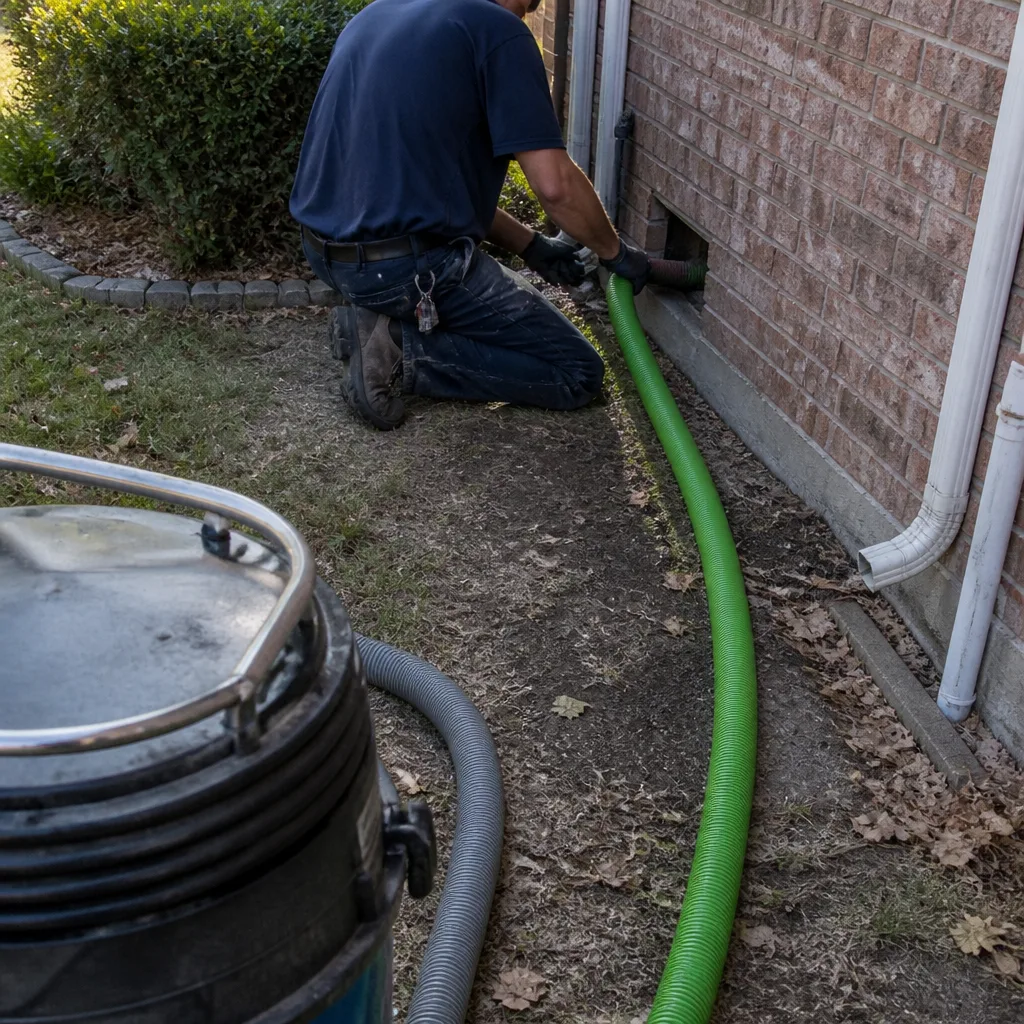
Whole-system duct and dryer vent check with before-and-after photos - you see exactly what came out of your vents
That "$99 whole-house special" is a bait ad - the real number appears once they are in your hallway, or the "clean" is a shop-vac at the register. We photograph the inside of your ducts before and after instead.
Seasonal Air Duct Cleaning Care for Allen: Year-Round Homeowner’s Guide
Most seasonal duct advice treats the year as summer and winter, with a shrug for everything in between. That framing misses what actually happens inside Allen homes. This corner of North Texas runs through four distinct stress periods, and each one pushes a different kind of contamination into your ductwork. Spring storms, sustained 100°F heat, the first furnace run, and low-use guest rooms during heating season all leave their own fingerprints on the same system. Below, we map the specific checks and cleaning actions to the months they belong to, so you’re not guessing at what your ducts need in Allen.
Quick Answer
Air duct care in Allen follows four seasons with four different concerns: storm-driven debris and insulation fibers in spring, flex duct heat stress in summer, a pre-heating inspection of registers and the heat exchanger in fall, and debris buildup in low-use rooms during winter. A yearly professional cleaning plus a few targeted homeowner checks each season keeps the system working between visits.
Styles & brands we work with
- Whole-home duct cleaning
- Dryer vent cleaning
- Camera inspection
- Sanitizing & deodorizing
Table of Contents
- Spring in Allen: Storms, Return Plenums, and Insulation Intrusion
- Summer: How Sustained Heat Affects Flex Duct Integrity
- Fall: Pre-Heating Checks Before the First Furnace Run
- Winter: Why Guest Rooms Collect the Most Debris
- Dryer Vent Lint: The Seasonal Risk Calendar
- How Often Should You Actually Schedule Cleaning?
- Warning Signs That Your Ducts Need Attention Now
Spring in Allen: Storms, Return Plenums, and Insulation Intrusion
Allen’s spring thunderstorm season drives more sudden duct contamination than any other part of the year. When a strong storm rolls through and pressure swings hard and fast, the return side of your system doesn’t sit quietly. Return plenums pull air from the house, and a sudden pressure differential can draw attic dust and loose insulation fibers in through any gap at the plenum connections. Most homeowners never connect the faint musty smell they notice in May to that storm three weeks earlier.
The return plenum is the box where your return ducts connect to the air handler. It’s usually in the attic, garage, or a closet, and it’s exactly where builders tuck insulation. A small separation at a seam, a loose boot, or a gap where the plenum meets the unit is enough. Storm-driven pressure turns that gap into an intake.
Post-storm inspection protocol
After a significant spring storm, run these checks. You’re looking for evidence, not performing repair work yourself – actual resealing and duct repair is a job for a trained technician.
- Walk through the house and note any room that smells musty or “attic-like” within a day or two of the storm.
- Visually inspect any accessible return grille for a fine gray or pink fibrous dust, which is the signature of insulation intrusion.
- Look at the attic-side plenum if it’s safely reachable from a stable surface, checking for visible gaps or sagging connections.
- Change the air filter after a major storm season and check whether the old filter shows an unusual fiber load.
- Note any increase in dust settling on horizontal surfaces near return grilles.
If several of these signs line up, a professional inspection is the right call. Our air duct cleaning work in Allen starts with an assessment of where contamination is coming from, not just a pass with a vacuum. Insulation fibers that reach the plenum need to be pulled out of the system and the entry point sealed – otherwise they return with the next storm.
Summer: How Sustained Heat Affects Flex Duct Integrity
Allen summers are long and hot, with sustained stretches near or above 100°F. That heat load hits flex duct harder than any other part of your system. Flex duct is the ribbed, flexible line used on most runs in homes built in the last couple of decades. It’s efficient when it’s intact and sagging or crushing badly when it isn’t. Attic temperatures well above the outside air cook flex duct, and that’s where the problems show up.
What heat does to flex duct over a summer
- Outer jacket wear: The foil-and-mesh outer layer can scuff, tear, or separate at bends, exposing the insulation beneath.
- Sagging runs: Runs that lack support gradually sag under their own weight as the heat softens the material, and a sagged run collects dust faster because it slows airflow.
- Crushed bends: Sharp bends in attic runs restrict flow, which raises static pressure and pulls air (and dust) through every other gap in the system.
- Condensation at the plenum: Big temperature swings between attic air and the conditioned duct surface can produce moisture at poor connections, which feeds microbial growth.
What to check before cooling season peaks
Do the checks that don’t require going into the attic. From inside the house:
- Feel airflow at every register. Weak airflow in one room usually points to a crushed or disconnected run.
- Listen for whistling or hissing at grilles, which can indicate a leak behind the wall or in the attic.
- Check that return grilles aren’t blocked by furniture or rugs.
- Change the filter and note when it loads up faster than usual.
Anything beyond that – checking attic flex runs, tightening the outer jacket, verifying the plenum connections – belongs to a professional. If you want the system cleaned and the runs checked together, our duct cleaning service in Allen covers both so nothing is missed between the two jobs.
Fall: Pre-Heating Checks Before the First Furnace Run
The first cold snap in October or November usually catches the furnace coming out of a long rest. Months of dust accumulate in return ducts, in the plenum, and around the heat exchanger while the AC runs. When the furnace fires up, all of that gets blown through the house. A brief dusty smell on the first run is normal. A sustained odor or visible dust for days afterward is not. Fall is the season to catch it before you live with it for four months.
Pre-heating season checklist
- Turn the thermostat to heat for a short cycle while you’re home, and note any smell, dust bloom, or odd sound that follows.
- Change the filter – if you clean twice a year, this is the second change.
- Check registers for visible dust, and look at the grille flanges where dust gathers against the wall.
- Confirm the return grilles are clear of furniture, plants, and rugs.
- Look at the furnace’s visible heat exchanger area through any accessible front panel with the power off, and call a professional if you see rust, cracks, or soot.
The heat exchanger is a safety-critical component. A cracked or failing exchanger can release carbon monoxide into your home. Never open the furnace cabinet to inspect it yourself, and never attempt to run a DIY test on it – schedule a qualified heating technician to inspect and confirm its condition. A licensed HVAC professional verifies a visual check in a short visit and usually catches a developing problem while it’s still a repair.
If the ducts themselves are loaded with dust from the cooling season, cleaning before the first heating run prevents that dust from circulating for weeks. Filters made by brand names like Honeywell or Aprilaire are a good upgrade if you’re still using a basic pleated filter, and our technicians can check the fit and airflow path while we’re there.
Winter: Why Guest Rooms Collect the Most Debris
The rooms you don’t use during heating season are the rooms that gather the most debris. This seems backward, and it’s a point that gets missed in almost every seasonal guide. Allen homes with flex duct systems typically treat guest rooms, formal dining rooms, and office/den conversions as low-use zones. Here’s the mechanism: the register is still open, cold air from the room flows back into the system when the furnace runs and the door is closed, and the room has no foot traffic to keep the air moving. Dust settles at the register face faster, and the branch run feeding it accumulates more than the busy rooms.
How to catch it
- Close or partially close the registers in rooms that sit empty for weeks at a time – but keep pressure in mind and don’t close too many.
- Check the register face on each guest room once a month for dust buildup. A room that visibly dusts in a month is a branch run that needs cleaning.
- If the room has an accessible ceiling diffuser, look through the grille with a flashlight to see the first few inches of the duct. Heavy dust at the top means the whole run is loaded.
- Give guest rooms a quick airflow check on a cold morning – the room that’s warm but stuffy usually has a duct problem.
When a low-use room’s duct is packed and the rest of the system looks clean, professional duct repair and cleaning of that run resolves it. Our technicians see this pattern often enough in Allen that it’s one of the first places we check when cold season complaints come in.
Dryer Vent Lint: The Seasonal Risk Calendar
Dryer vent lint accumulation runs on its own seasonal clock, separate from the duct system. In Allen, the highest-risk stretch runs from late fall through winter and into early spring, when laundry loads are heaviest and windows stay shut. The dryer runs more, the lint builds faster, and the vent has less chance to dry out between cycles. Summer is not the safe season either – the high-usage weeks of summer still push lint into the pipe, even if volume is lower.
Seasonal risk calendar
- March-May: Moderate buildup. Check after spring storm season, when humidity swings can make lint cling.
- June-September: Steady accumulation. High laundry volume from summer schedules keeps lint moving into the pipe.
- October-November: Rising risk. Heavier blanket and jacket loads begin.
- December-February: Highest risk. Peak laundry volume and shut windows concentrate lint.
Checks between professional cleanings
- Pull the dryer out and look at the vent connection for lint buildup at the first elbow.
- Check the exterior vent flap – if it’s stuck shut or louvres are lint-packed, airflow is restricted even if the interior looks fine.
- Feel clothes at the end of a cycle. If they’re still damp, the vent is probably blocked.
- Note the smell. A dryer that smells warm or vaguely smoky needs immediate attention.
Lint accumulation is a documented residential fire risk, not a comfort preference. Our dryer vent cleaning service is scheduled alongside duct work so the full system is checked in one visit. If your vent is a long run or has multiple elbows, professional cleaning once a year is the standard we recommend.
How Often Should You Actually Schedule Cleaning?
Once a year is the standard for most Allen homes, but the real schedule depends on a few specifics. Homes with pets, homes near new construction, and homes with a very dusty surrounding environment need more. Homes that only lightly use their system and have no pets may stretch to every two to three years, as long as a filter change still happens on schedule.
What pushes you into “clean more often”
- Shedding pets in the house.
- Recent renovation work in the home, which spreads fine dust through the system.
- A recent storm season that visibly added dust or insulation fibers to the return.
- Visible dust blowing from registers when the system first starts.
- Increased allergy or respiratory symptoms during heating or cooling season.
What keeps you on “annual is fine”
- Yearly filter changes done on schedule.
- No visible dust at registers.
- No visible contamination at the return plenum.
- Steady airflow at every register.
When in doubt, get a visual inspection. A short professional look at the plenum and a couple of branch runs tells you more than any general rule. If you’re in or near Allen, a free estimate visit includes that visual check.
Warning Signs That Your Ducts Need Attention Now
Some symptoms are worth an immediate call rather than a wait-until-next-year approach. When you notice any of these in Allen, do the checks you can do safely yourself and call a professional if the signs point to a problem inside the system.
- Musty smell in one room: Usually points to a disconnected branch, moisture at the plenum, or a low-use room that’s pulled in outside humidity.
- Visible insulation fibers at a return grille: Indicates a gap at the plenum or a storm-driven intrusion that needs sealing.
- Dust blooming from registers when the furnace starts: A loaded return system; clean before living with this all winter.
- Uneven airflow across rooms: Crushed or disconnected flex runs in the attic.
- Higher than usual energy bills with no other explanation: A restricted system makes the blower and air handler work harder.
- Persistent dust on horizontal surfaces: Duct leakage pulling attic dust.
- Dryer taking more than one cycle to dry a load: A lint-blocked vent, which is a fire risk, not a comfort issue.
Professional systems from brands like Rotobrush and Nikro pull contamination out of the duct instead of moving it around the room, and that’s the difference between a job that solves the dust and one that just redistributes it. If you’re unsure whether the real problem is contamination or a structural issue, our duct repair and cleaning team diagnoses it in one visit.
Common Mistakes to Avoid
- Cleaning the ducts but ignoring the return plenum. The plenum is where most storm-driven contamination enters. Cleaning the runs and leaving the plenum unsealed sends new dust in the next time pressure swings.
- Treating spring storms as only a roofing problem. Attic dust and insulation fibers get pulled into the return side during storms. A home with no roof damage can still have a contaminated plenum.
- Skipping the pre-heating inspection. Fall is when new dust in the ducts gets pushed into the living space. Cleaning after the first furnace run means cleaning it twice.
- Assuming guest rooms are clean because they’re unused. Low airflow and open registers make those rooms the biggest debris collectors during heating season.
- Blocking returns with furniture. A blocked return in Allen raises static pressure across the whole system and pushes dust through every loose connection.
- Putting off dryer vent cleaning to “someday.” Lint accumulates faster in the winter months and is a documented fire risk. Annual cleaning should be treated as routine.
- Choosing a quote by price alone. Generic vacuums and consumer-grade tools move dust into the air instead of out of it. The tools and the containment setup matter more than the price tag. Our equipment comes from Rotobrush, Nikro, and Abatement Technologies – the same brands professional remediation contractors use.
See the difference
 Before
 After
 Before
 After
 Before
 After
When to Call a Professional
Some checks belong to you. Others belong to a trained technician. Call a professional if you see insulation fibers at a return, if the smell in one room doesn’t clear after a filter change, if a low-use room’s register noticeably dusts within a month, if the dryer is taking two cycles to dry a load, or if you can’t confirm what’s happening at the return plenum. None of these require a same-day panic call – but none should wait until next spring either. Duct Cleaning Allen offers free estimates in Allen – call (866) 452-2744. We answer 24/7. Fast dispatch from 7am to 7pm, Sunday through Friday. Every job is a flat price per system agreed before work starts, and you get before-and-after photos of your own ducts so you can see exactly what was pulled out.
Frequently Asked Questions
Once a year is the standard for most Allen homes, with more frequent cleaning for homes with pets, recent renovation, or storm damage to the return plenum. Homes with light system use and no pets can stretch to every two to three years as long as filter changes happen on schedule.
Yes. Spring thunderstorms create pressure swings that pull attic dust and insulation fibers into the return plenum through any gap at the connections. This happens even in homes with no roof damage, and it’s the most likely cause of a musty smell noticed in May. Call (866) 452-2744 for a free estimate – estimates are free.
Yes. Attic temperatures well above the outdoor air cook flex duct, softening the material and causing sagging, crush, and jacket separations over a long summer. Weak airflow at a single register is one of the most reliable signs of a heat-damaged or disconnected flex run.
Low-use rooms have open registers but almost no air movement from foot traffic, so dust settles on the register face and accumulates in the branch run faster. Cold air from the room also flows back into the system when the furnace runs, bringing more dust with it.
Late fall through early spring is the highest-risk stretch, when heavier laundry loads meet closed windows and a vent run with less chance to dry out. Summer still accumulates lint at a steady rate and shouldn’t be skipped. Call for an exact quote if your vent hasn’t been cleaned in over a year – estimates are free at (866) 452-2744.
There’s no reliable per-vent price shortcut. We set one flat price per system after a visual inspection and put it in writing before any work starts, and you get before-and-after photos of your own ducts at the end. That’s the honest way to quote – call (866) 452-2744 for a free estimate.
The Bottom Line
Allen’s four seasons stress duct systems in four different ways, and the fix is a schedule that matches each one. Spring: check return plenums after storms for insulation intrusion. Summer: watch flex duct for heat stress before the cooling season peaks. Fall: run the pre-heating inspection before the furnace runs for the first time. Winter: watch the guest rooms, because that’s where the debris lands. Layer a yearly professional cleaning and a dryer vent cleaning on top, and the system stays ahead of the accumulation instead of behind it. Our technicians have up to 14 years of experience with professional-grade equipment, and every job is a flat price per system agreed before work starts.
Call (866) 452-2744 for a free estimate. We answer 24/7. Fast dispatch from 7am to 7pm, Sunday through Friday.
Written by the team at Duct Cleaning Allen.