
Last updated November 15, 2026
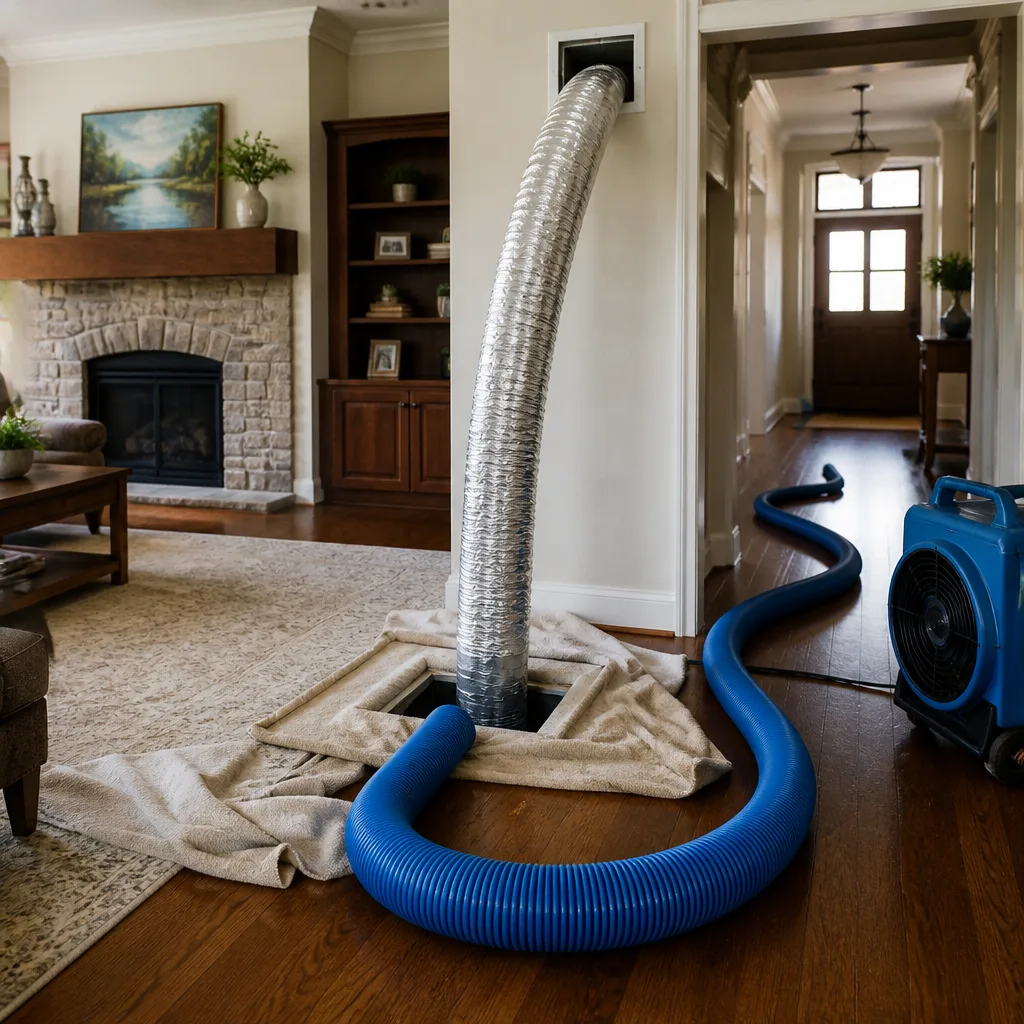 Whole-home duct cleaning
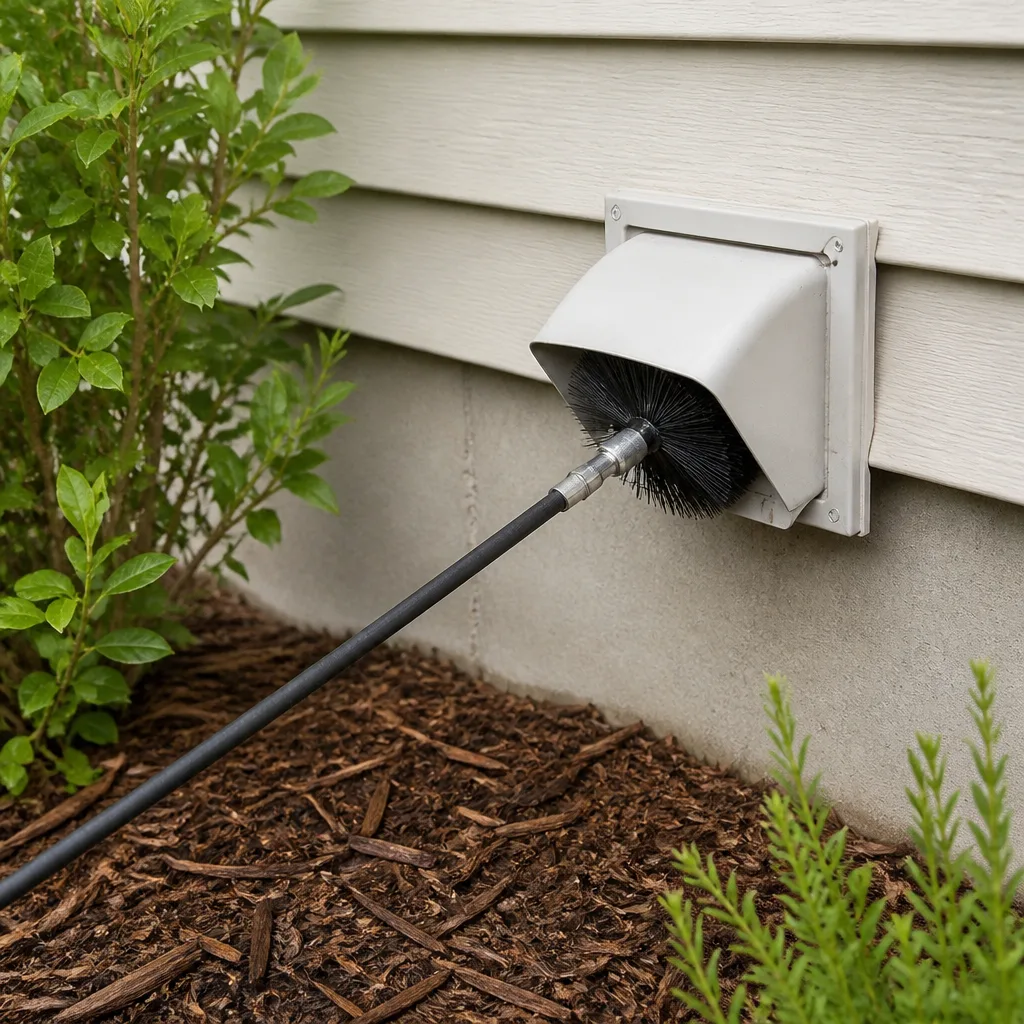 Dryer vent cleaning
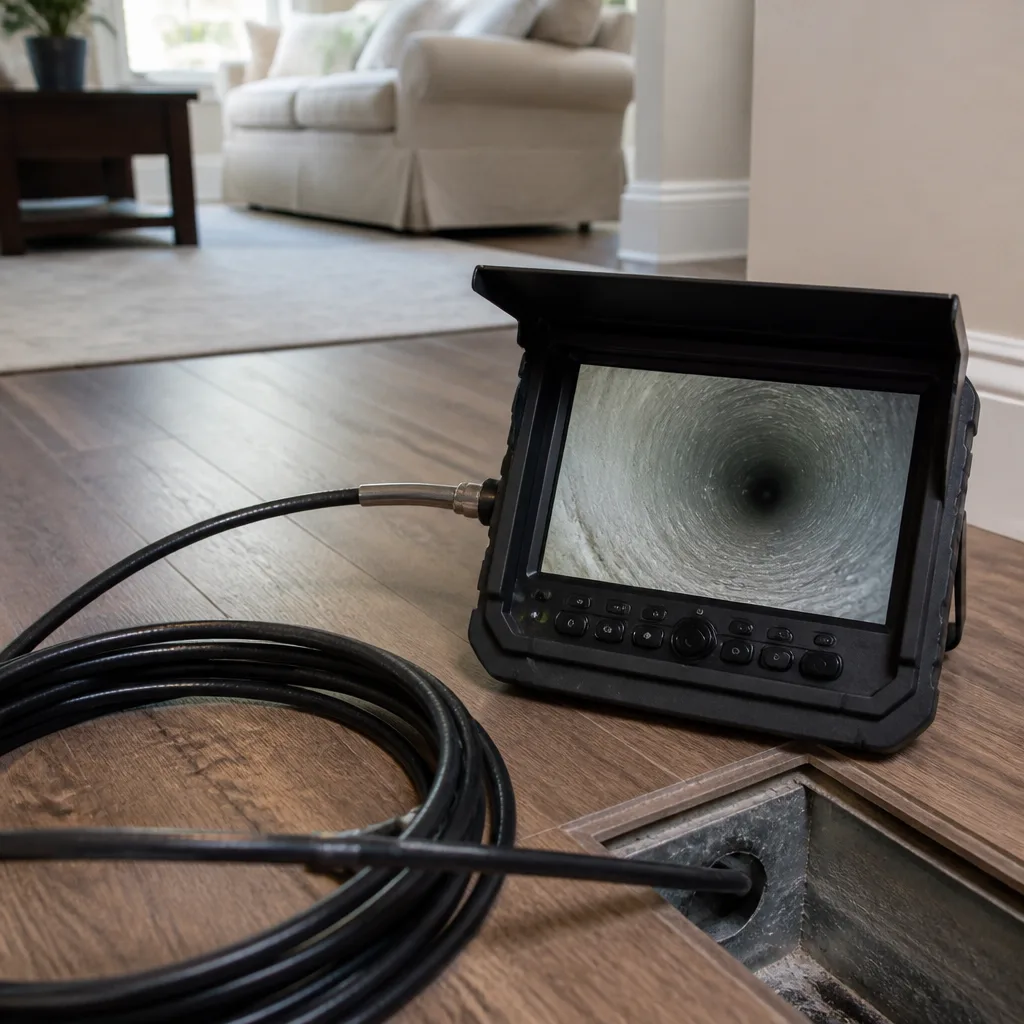 Camera inspection
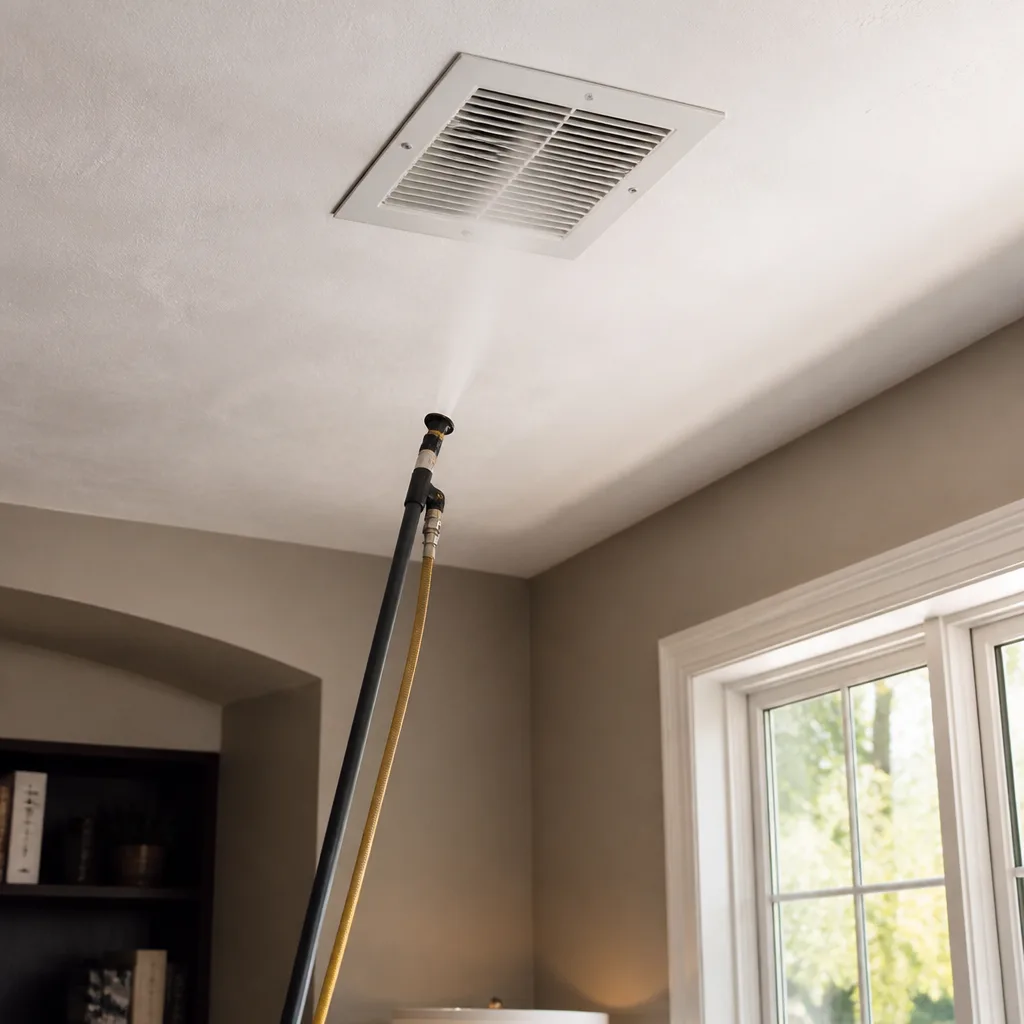 Sanitizing & deodorizing
Whole-system duct and dryer vent check with before-and-after photos - you see exactly what came out of your vents
That "$99 whole-house special" is a bait ad - the real number appears once they are in your hallway, or the "clean" is a shop-vac at the register. We photograph the inside of your ducts before and after instead.
Air Duct Cleaning Cost Breakdown: The Allen Homeowner’s Reference for 2026
Two Allen homeowners on the same block with the same square footage can get quotes that differ by hundreds of dollars, and the gap usually has nothing to do with profit margins. It comes from entirely different services being sold under the same name. One quote may cover a whole system with professional-grade equipment and a full inspection, while another is a quick pass with a shop vacuum that leaves the contamination in place. This guide breaks down every line item so you can compare quotes on equal terms, understand what each charge actually buys, and spot the difference between a job that solves the problem and one that only looks like it does.
Quick Answer
A full air duct cleaning job in Allen in 2026 typically runs somewhere between $300 and $700 for an average home, with whole-home systems on the higher end and smaller or simplified layouts on the lower end. The wide spread you’ll see in quotes (sometimes as low as $149 and as high as $900 or more) reflects different scopes, not different profit targets. The only way to compare fairly is to ask every contractor what, exactly, their number includes. Call (866) 452-2744 for a free estimate. We answer 24/7, with fast dispatch from 7am to 7pm, Sunday through Friday.
Styles & brands we work with
- Whole-home duct cleaning
- Dryer vent cleaning
- Camera inspection
- Sanitizing & deodorizing
Table of Contents
- Why the Same House Gets Quotes That Differ by Hundreds
- Per-Vent Pricing vs. Whole-System Pricing
- Line-Item Breakdown: What Each Charge Actually Buys
- How Home Size, Stories, and Duct Material Shift the Price
- What a Legitimate NADCA-Process Job Costs the Contractor
- The Cost of Not Cleaning When It’s Actually Needed
- How to Vet a Quote Before You Book
- What You Can Check Yourself and What You Shouldn’t
Why the Same House Gets Quotes That Differ by Hundreds
If you’ve collected three quotes for duct cleaning in Allen, you’ve probably noticed they describe wildly different services while using nearly identical words. “Duct cleaning” is not a standardized term in this trade. Some companies use it to mean a vacuum pass at each visible register. Others use it to mean a full source-removal process that includes the supply and return trunk lines, the air handler, the blower compartment, and the accessible portions of the coil.
The gap also reflects which equipment is on the job. A crew using a shop vacuum and a spinning brush can charge less because the process is faster and the tooling is inexpensive. A contractor using a truck-mounted or portable negative-air machine paired with rotary agitation tools like the Rotobrush or Nikro systems spends more on equipment, setup time, and containment, and that shows up in the number. The two processes are not equivalent, even when the invoice says the same thing.
Here’s the pattern we see most often: a low quote is almost always a partial service. It’s not a trick so much as a different definition of “clean.” Before you compare prices, ask each company two questions:
- Does your price cover the entire system, including the return side and accessible plenum, or just the supply vents?
- What equipment will actually be on site, and how will you capture the debris so it doesn’t end up back in the living space?
Once you have those answers, the quotes usually sort themselves out. For a closer look at our process and what’s included, see our air duct cleaning page.
Per-Vent Pricing vs. Whole-System Pricing
Nearly every duct cleaning quote you’ll get in Allen falls into one of two models: per-vent or whole-system. They sound similar but they reward the contractor in opposite ways, and that matters for what actually gets done.
Per-vent pricing
Per-vent pricing quotes a set dollar amount for each register in the home. A house with fifteen vents pays fifteen times the per-vent rate. On the surface this feels fair: you pay for what you have. The problem is what happens on site. The technician’s incentive is to move quickly through each vent, because the total payout is fixed by the count. That can mean a brief pass at each opening without addressing the trunk lines, the return chase, or the air handler. The vents look clean but the system isn’t.
Per-vent pricing also creates an uncomfortable moment on the day of service. Once the technician is inside and counting vents, the number can climb past what you were quoted, and you’re not in a great position to push back. We don’t quote this way. Neither should anyone who expects you to feel good about the invoice.
Whole-system pricing
Whole-system pricing sets a single price for the entire system based on a walkthrough of the home before the work starts. The contractor inspects the layout, counts the trunk and return runs, checks accessibility, and gives you one flat number. You know the total before anyone picks up a tool, and the technician has no incentive to rush or skip. The written estimate sets the final price.
This model also makes the comparison honest. When two contractors both quote a whole-system price, you’re comparing apples to apples, and the differences in the numbers reflect scope and equipment, not guesswork.
Line-Item Breakdown: What Each Charge Actually Buys
Most Allen duct cleaning invoices fall into five categories. Knowing what each one covers is the fastest way to spot an inflated scope, a missing piece, or a charge that shouldn’t be there. These are typical ranges for the 2026 Allen market, and they’ll vary with the home.
- Base cleaning: $250-$500. Covers the full system: supply runs, return runs, accessible plenum, register boots, and the main trunk lines. Should include the air handler area and any accessible coil face. This is the core of the job and the number most worth scrutinizing.
- Access panel cutting: $75-$150. Some duct systems have no access points to reach the trunk lines, so the technician must cut and frame new access panels at strategic spots. It’s a real cost because it takes time and leaves the system better equipped for future service, not just this job.
- Dryer vent add-on: $95-$200. Cleaning the dryer vent in the same visit as the duct cleaning is the most practical way to protect the home, since a clogged vent is a documented fire risk. This is one of our core services, and we treat it as a separate safety task rather than an upsell. More on that on our dryer vent cleaning page.
- Sanitizer application: $100-$250. A misted antimicrobial treatment applied after cleaning. Useful only when microbial growth is confirmed, and it should never substitute for source removal. If a company leads with sanitizer before cleaning, that’s a red flag.
- Duct sealing: $200-$500. Sealing leaks at joints and boots with mastic or approved tape to improve delivery. Worth considering when diagnostic testing shows leakage, since it recovers airflow rather than just removing dust.
Add those ranges up and you can see how one contractor lands at $300 and another lands at $900 for the same house. The difference is usually which of these line items are included and which are sold as extras on the day of service.
How Home Size, Stories, and Duct Material Shift the Price
Nobody can give you a reliable duct cleaning price in Allen without walking the house. Here’s why that’s true.
Home size and layout
Square footage is a rough guide, but layout matters more. A single-story home with a simple trunk-and-branch system is easier to reach and takes less time. A two-story with multiple zones, a finished basement, or a sprawling footprint can double the time required. Each story usually means additional trunk runs and return chases, and each one has to be accessed and contained separately. Houses across Allen’s older neighborhoods and newer builds both show up in the mix, and the systems inside them differ a lot.
Duct material type
The material inside the ducts changes the process and the price:
- Galvanized steel: the most common in this area, and the easiest to clean with rotary tools. The surface holds up to brushing.
- Flexible duct: often used for short runs to registers. Flexible runs can be cleaned with the right equipment but are less tolerant of aggressive brushing, so technique matters.
- Fiberglass duct board: fragile and easily damaged by the wrong tool. A contractor using professional-grade equipment from Rotobrush or Nikro can work with it, but a shop vacuum and a rough brush will tear it up. Fiberglass-lined systems also require a different agitation approach.
If a company quotes a price over the phone without asking about duct material or layout, that number is a guess. It won’t match the invoice.
What a Legitimate NADCA-Process Job Costs the Contractor
A proper duct cleaning job, following the standards set by the National Air Duct Cleaners Association (NADCA), requires serious equipment, and the equipment has a real cost that shows up in the price. That’s the floor price you see in legitimate quotes, and it’s why companies that quote $99 can’t be doing the same job.
Here’s what goes into a professional setup:
- Negative air machine: pulls the entire system under negative pressure during cleaning so dislodged debris is captured instead of blowing into the living space. Brands like Abatement Technologies make the containment and negative-air equipment trusted in professional remediation, and the same engineering is used in duct cleaning to keep the air in the home clean while the work is happening.
- Rotary agitation tools: whip, brush, and air-driven heads on flexible shafts that are fed through ducts to physically scour the interior surface. Rotobrush and Nikro systems are the standard in professional duct cleaning because they reach surfaces a vacuum alone can’t.
- HEPA filtration: captures fine particulates before they reach the home’s air, and requires regular filter replacement, which the contractor pays for whether or not the job needs it that day.
- Access equipment and containment: drop cloths, sealing panels, and tools for opening and closing access points correctly.
A single truck-based or portable negative-air system can cost a contractor tens of thousands of dollars, plus the ongoing cost of filters, brushes, and maintenance. That equipment has to be accounted for in every quote. A legitimate job has a real floor price for this reason, and the floor reflects the cost of doing the work properly rather than the ambition of the company quoting it.
The Cost of Not Cleaning When It’s Actually Needed
The question of whether to clean at all is separate from the question of price, and the two get tangled up. Duct cleaning is not a maintenance task that every home needs on a schedule. It’s a source-removal step for homes where contamination has accumulated enough to affect the system. The cost of skipping it when it’s genuinely needed shows up in a few reliable places:
- Restricted airflow through the air handler: a dust-loaded blower wheel moves less air for the same power draw, which means the system runs longer to reach the thermostat setpoint.
- Contaminated evaporator coils: a dirty coil loses its ability to transfer heat, so the system works harder for less cooling. This is one of the most common hidden costs in Allen homes, because the coil sits out of sight and out of mind until performance drops.
- Dust and allergen redistribution: a contaminated system pushes particles back into the living space every time the blower runs, and the load only grows.
- Compressor strain: a system that runs longer and hotter shortens the equipment’s service life, and compressor replacement is one of the largest single expenditures in home HVAC.
We can’t put a precise dollar figure on your home’s lost efficiency without inspecting the system, and neither can any honest contractor. But the direction of the impact is consistent: a cleaner system and a clean coil deliver more comfort for less run time. If the question is whether to spend the money, the answer depends on what the inspection finds, not on a coupon.
The other side of this is the dryer vent. A clogged vent is a genuine safety issue, not an airflow preference, and cleaning it during a duct job is the most efficient way to address it. If you want to know how your system is doing, Duct Cleaning Allen can inspect it and tell you honestly whether cleaning is warranted.
How to Vet a Quote Before You Book
A duct cleaning quote is only useful if you can trust it. Here’s how to read one and what to ask before you commit.
- Ask what’s included in writing. A legitimate quote itemizes the system coverage: supply, return, plenum, air handler. If it just says “duct cleaning,” ask for the breakdown.
- Ask about access panels. Does the price include cutting access where none exists, or will that be added on site?
- Ask what equipment will be on the truck. A contractor who can name the equipment is a contractor who thinks about the process. Rotobrush, Nikro, and Abatement Technologies are names you’ll hear from serious operators.
- Ask about dryer vent cleaning. Many companies don’t do it at all. If yours doesn’t, you’ll be calling someone else for the fire-safety piece.
- Ask whether the quote covers repair. A company that can clean but can’t repair a damaged duct or a disconnected joint may leave the real problem in place. That’s why we also offer full air duct repair rather than clean-only service.
- Ask for before-and-after photos. Not stock photos. Actual photos of your system, taken during the job. If a contractor won’t offer that, you have your answer.
- Ask about the guarantee. One flat price per system agreed before work starts is the model we use, and it’s the model that makes a quote meaningful.
Run through those seven questions with any contractor and you’ll quickly sort out who’s doing a real job from who’s selling a price. For more on the wider service area, see our Allen page.
What You Can Check Yourself and What You Shouldn’t
There are a few things you can inspect on your own that help you decide whether to call a contractor. There are also things you should not attempt, and knowing the difference protects you.
Reasonable to check yourself:
- Remove a floor or ceiling register grille and look inside with a flashlight. Visible dust buildup on the boot and the first few inches of duct is a sign worth having checked.
- Look at the return grille and the filter. A filter that loads quickly with dust that’s coming back through the system suggests the ducts are contributing.
- Check the dryer vent exterior flap for lint accumulation and confirm the flap opens freely when the dryer runs.
Leave to a professional:
- Opening the air handler cabinet or the blower compartment. The blower and the control board are not homeowner-serviceable, and poking around in there can cost you much more than a cleaning.
- Cutting your own access panels. The location matters, and a poorly placed panel can create leakage and contamination paths that didn’t exist before.
- Working on the dryer vent if it runs through a wall or roof in a way that puts you on a ladder or in a tight space. The safety risk outweighs the savings.
- Any attempt to seal or re-tape joints in hard-to-reach areas without proper materials.
If you find evidence that the system needs attention, that’s when to bring in a contractor. We’ve seen plenty of Allen homes where a simple inspection was enough to answer the question, and plenty where cleaning and a repair were the right call. The inspection comes first either way. Our technicians have up to 14 years of experience and use professional-grade equipment on every job.
Common Mistakes to Avoid
- Booking the lowest quote without asking what it covers. A low price usually means partial service, and you’ll end up paying more later when the contamination is still there. Ask for the scope in writing before you compare numbers.
- Accepting a per-vent price without a walkthrough. A per-vent price rewards speed, not thoroughness, and can climb on the day of service as the technician counts vents. Push for a whole-system price agreed upfront.
- Skipping the dryer vent because the ducts are the headline. The duct service is what brings the contractor out, but the dryer vent is the fire-safety piece. Clean both in the same visit and you get real value from the trip.
- Choosing a cleaner who can’t repair. A disconnected joint or a crushed flexible run isn’t fixed by cleaning. If the contractor has no repair capability, the underlying problem stays. That’s why our scope includes air duct repair alongside cleaning.
- Taking “it looks clean” as proof. Visual inspection from the register is not a full system check. Ask for before-and-after photos of the ductwork itself, not just the grille.
- Hiring anyone who won’t tell you the equipment. Consumer-grade vacuums can’t move enough air to clean a system, and some of them can exhaust dust back into the home. Professional-grade equipment from recognized brands is the minimum bar.
- Assuming a recent home in Allen doesn’t need a look. New builds can have construction debris in the ducts, and existing systems can lose joints over time. A decade-old home can hide the same issues as an older one.
See the difference
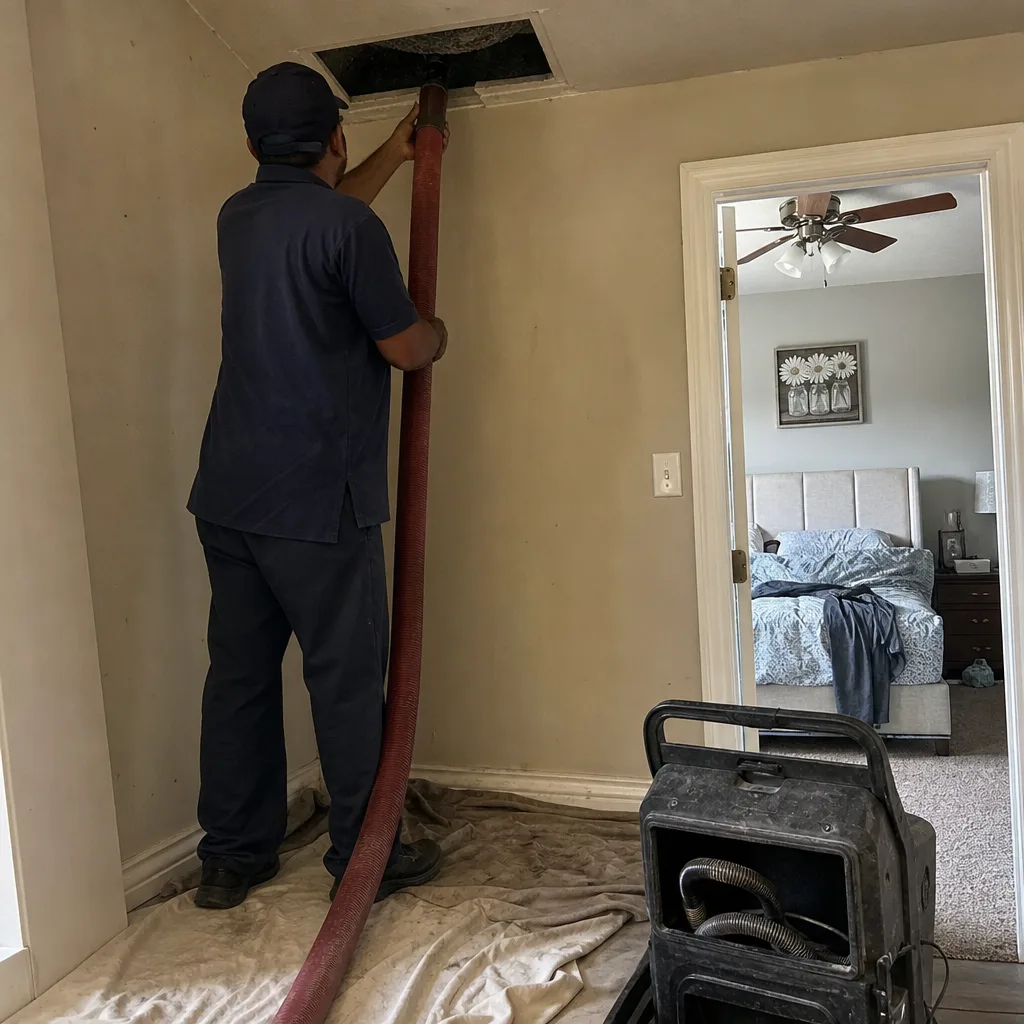 Before
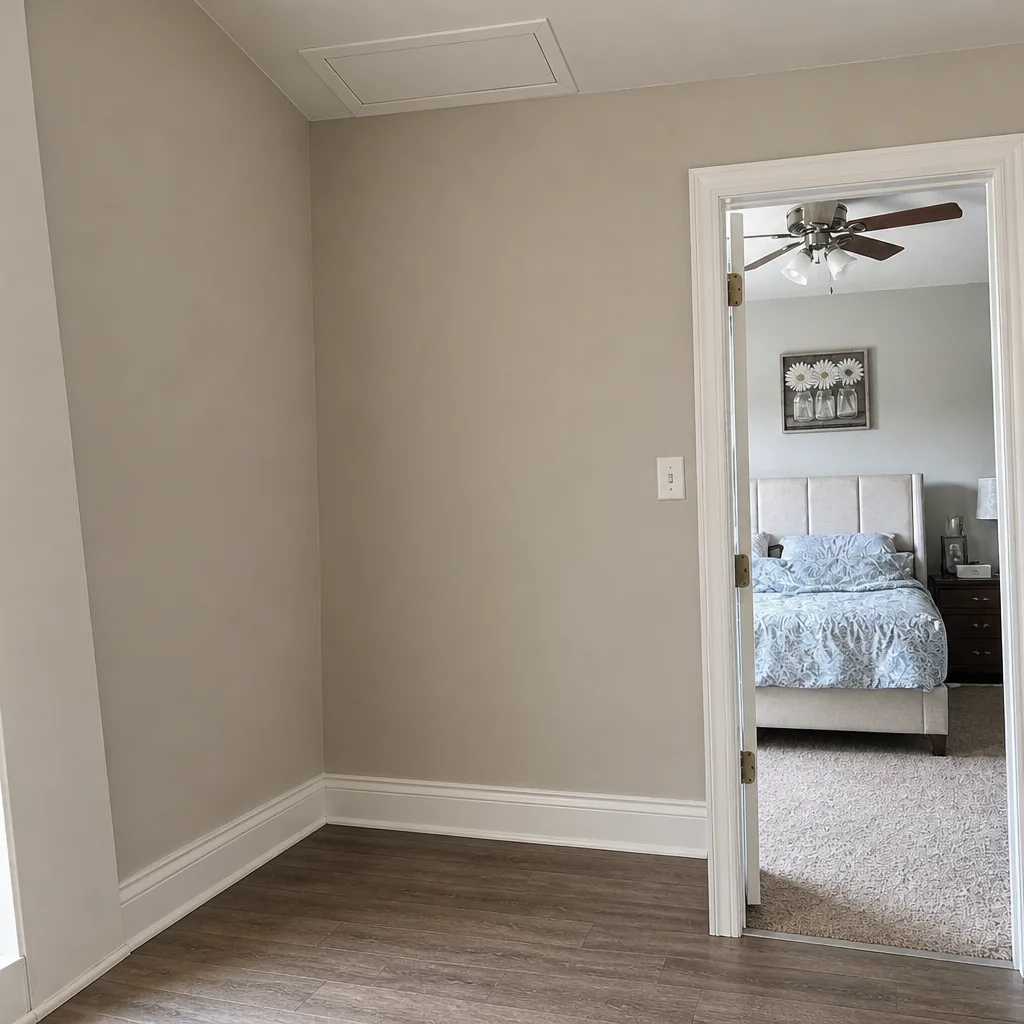 After
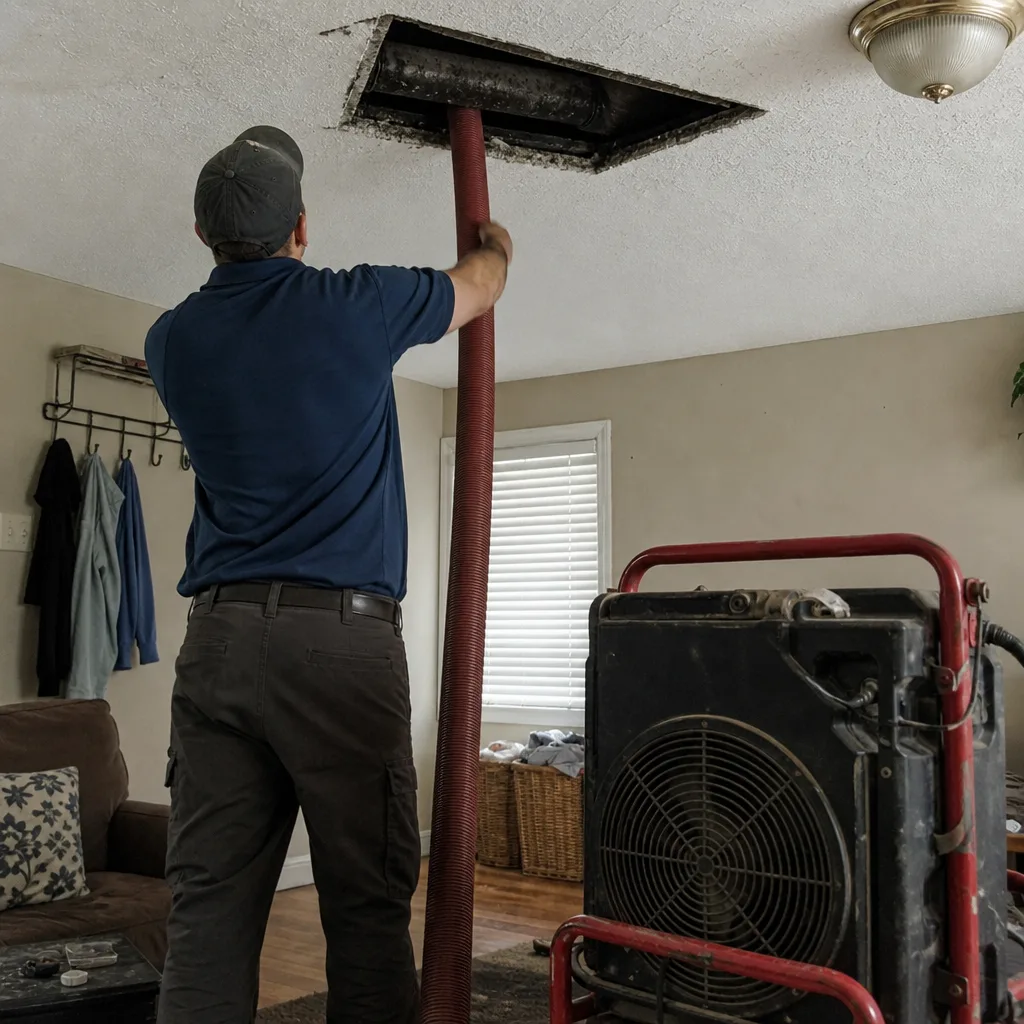 Before
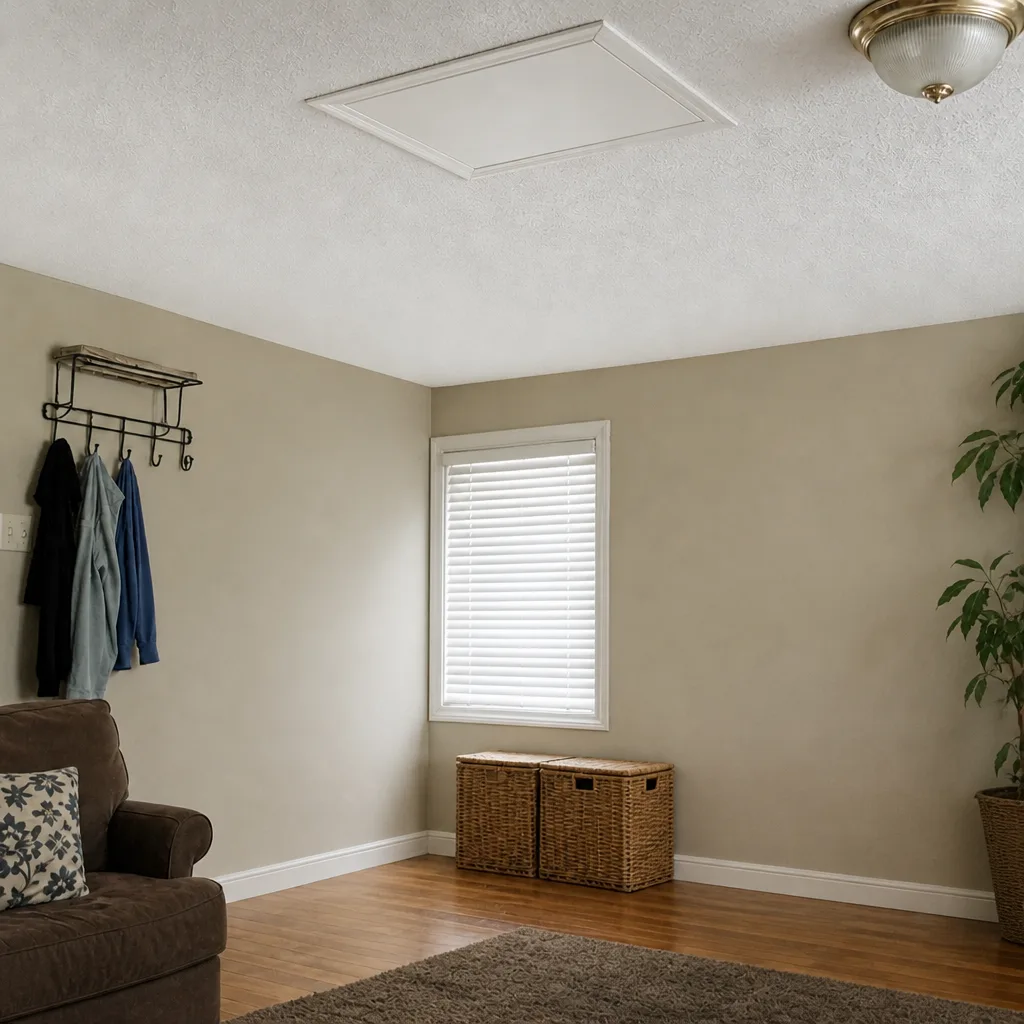 After
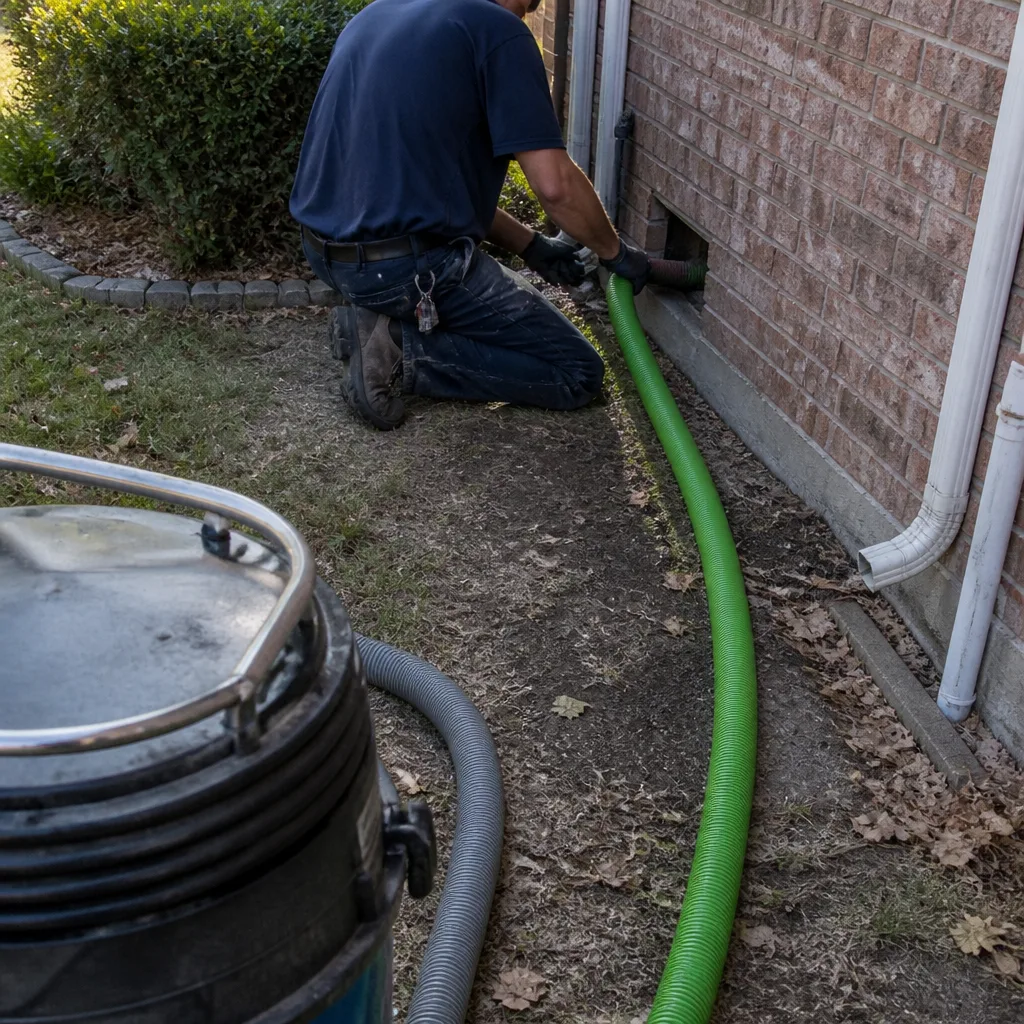 Before
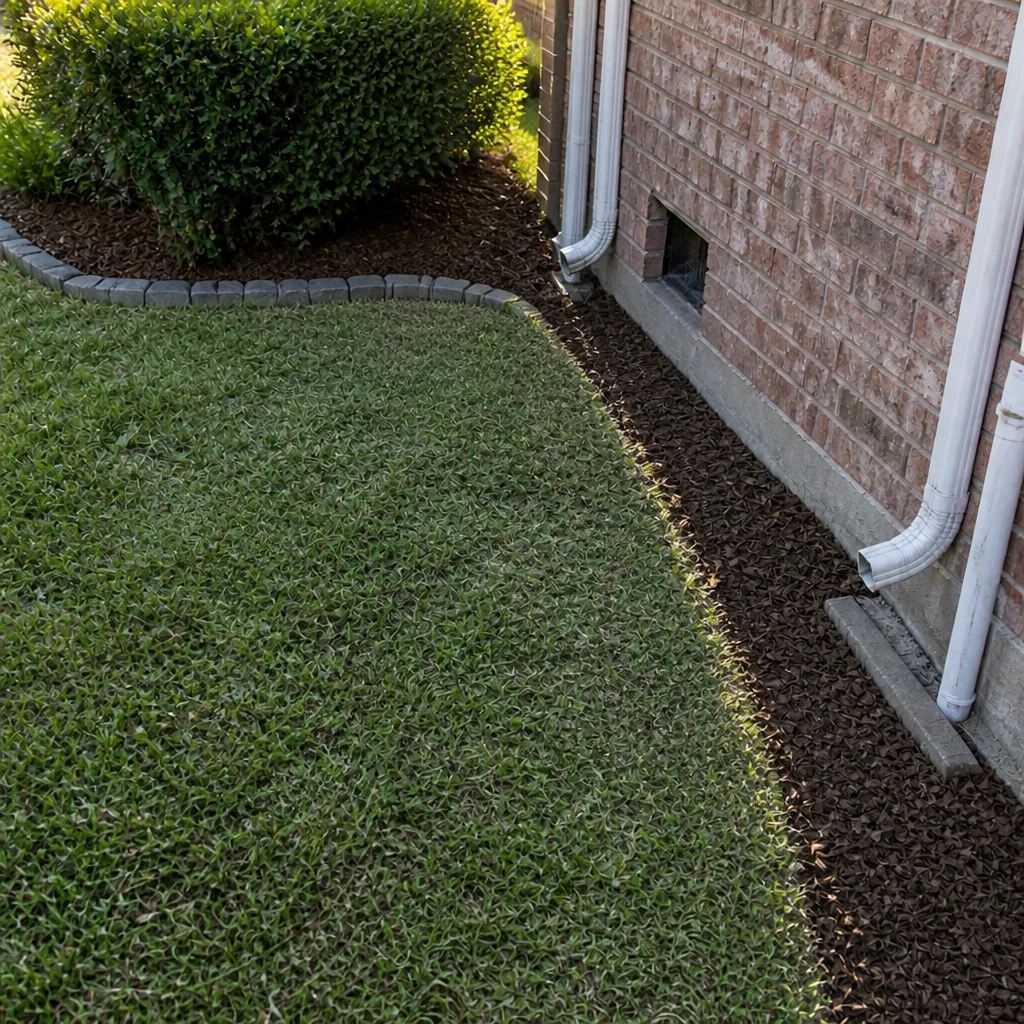 After
When to Call a Professional
Some signs point clearly to a professional visit. If you’ve pulled a register and found visible buildup, if dust reappears on surfaces soon after cleaning, if the system whistles or struggles to move air, or if the dryer takes noticeably longer to dry a load than it used to, those are the moments to call. The same is true if you’re dealing with allergy symptoms that seem tied to time spent indoors, or if you’re moving into a home where the prior owner’s service history is unknown. Those are questions an inspection answers quickly, and a cleaning may or may not be the right next step.
Duct Cleaning Allen offers free estimates in Allen. Call (866) 452-2744. We answer 24/7, with fast dispatch from 7am to 7pm, Sunday through Friday.
Frequently Asked Questions
For most Allen homes, a full-system duct cleaning in 2026 runs between $300 and $700, with the exact figure set by a walkthrough and written estimate. Add-ons like dryer vent cleaning, access panel cutting, or duct sealing can shift the total. Call (866) 452-2744 for an exact quote; estimates are free.
Because they’re usually not the same job. A $149 quote typically covers a partial pass at visible vents without the equipment or scope required for full-system cleaning. The only way to compare is to ask what’s included, what equipment is used, and whether the price covers the return side and air handler. Call (866) 452-2744 if you have a quote you’d like us to help you read.
Before-and-after photos of your own ductwork are the best evidence. A contractor who takes real photos during the job has nothing to hide, and a contractor who can’t provide them leaves you guessing. We take them on every job. Call (866) 452-2744 for a free estimate.
There’s no universal schedule that fits every home. Cleaning is driven by evidence of contamination: visible buildup, chronic dust, allergy symptoms, recent renovation, or a dirty coil. Most homes don’t need it on a fixed timer. An inspection tells you whether it’s warranted. Call (866) 452-2744 to schedule one.
Dryer vent cleaning is a separate line item in the $95-$200 range and is one of our three core services. It’s worth doing because a clogged vent is a documented fire risk, and cleaning it during the same visit is the most efficient way to handle it. Call (866) 452-2744 to add it to your estimate.
Many can only clean. Our scope includes air duct repair, which means we can resolve a disconnected joint, a crushed run, or a damaged access point instead of leaving it in place. That’s a meaningful difference when the inspection finds an actual structural issue. Call (866) 452-2744 for a free estimate.
The Bottom Line
Duct cleaning prices in Allen vary mostly because companies define the service differently, not because one is cheaper than another for the same job. A legitimate whole-system cleaning has a real floor price driven by professional-grade equipment and proper process, and the line items behind that price (base cleaning, access, dryer vent, sanitizer, sealing) explain why quotes differ so much. Ask what’s included, ask what equipment will be used, ask for photos, and ask whether the company can repair what it finds. Those four questions cut through the noise. One flat price per system agreed before work starts is the model we use, and it’s the model that makes a quote worth trusting.
Ready to know what your system actually needs? Call (866) 452-2744. We answer 24/7. Fast dispatch from 7am to 7pm, Sunday through Friday. Estimates are free.
Written by the team at Duct Cleaning Allen.