
Last updated November 15, 2026
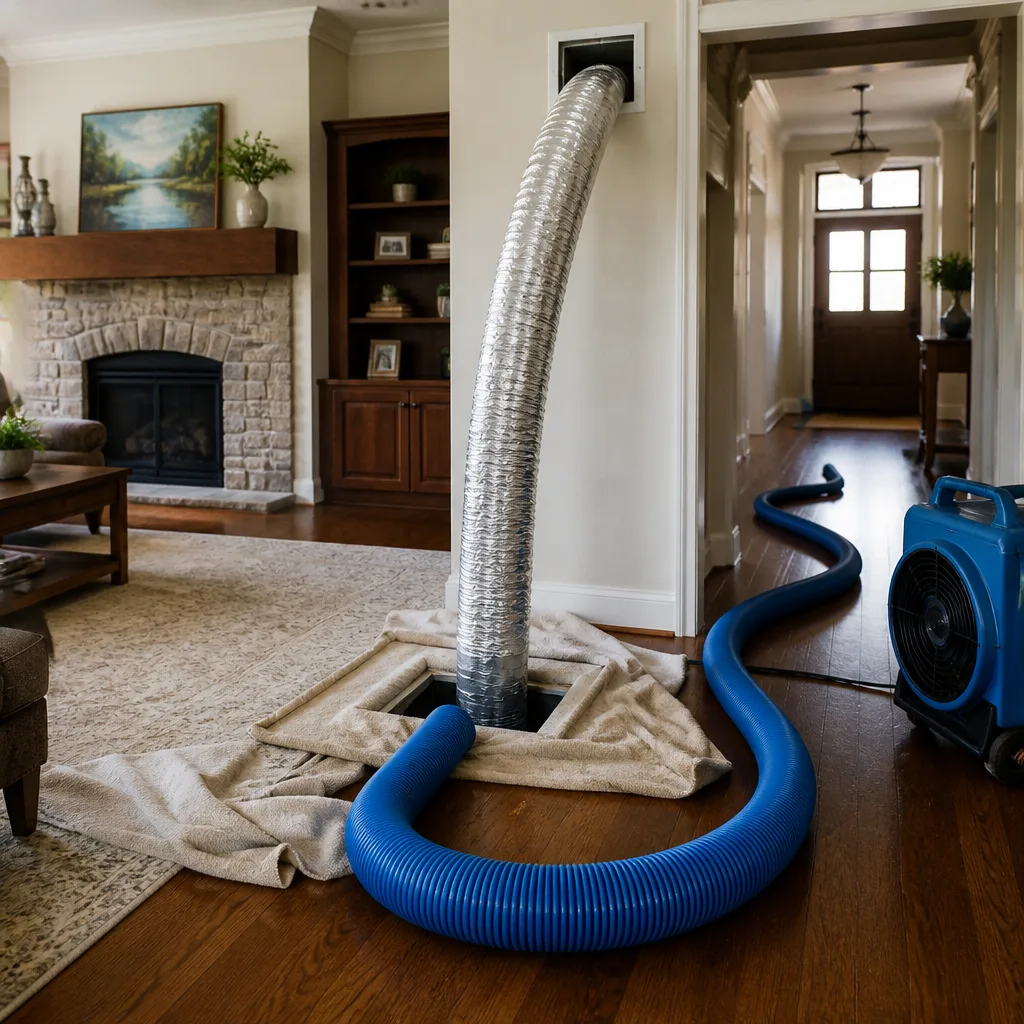 Whole-home duct cleaning
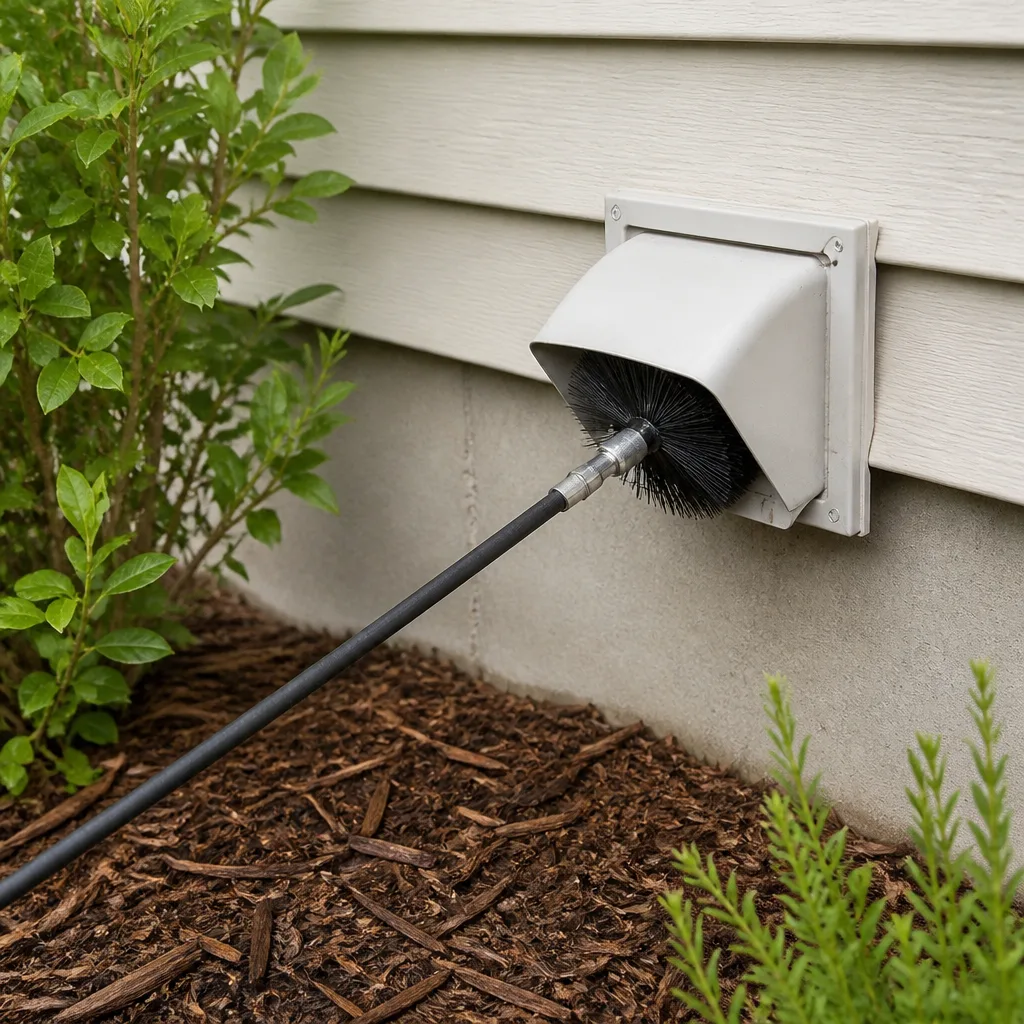 Dryer vent cleaning
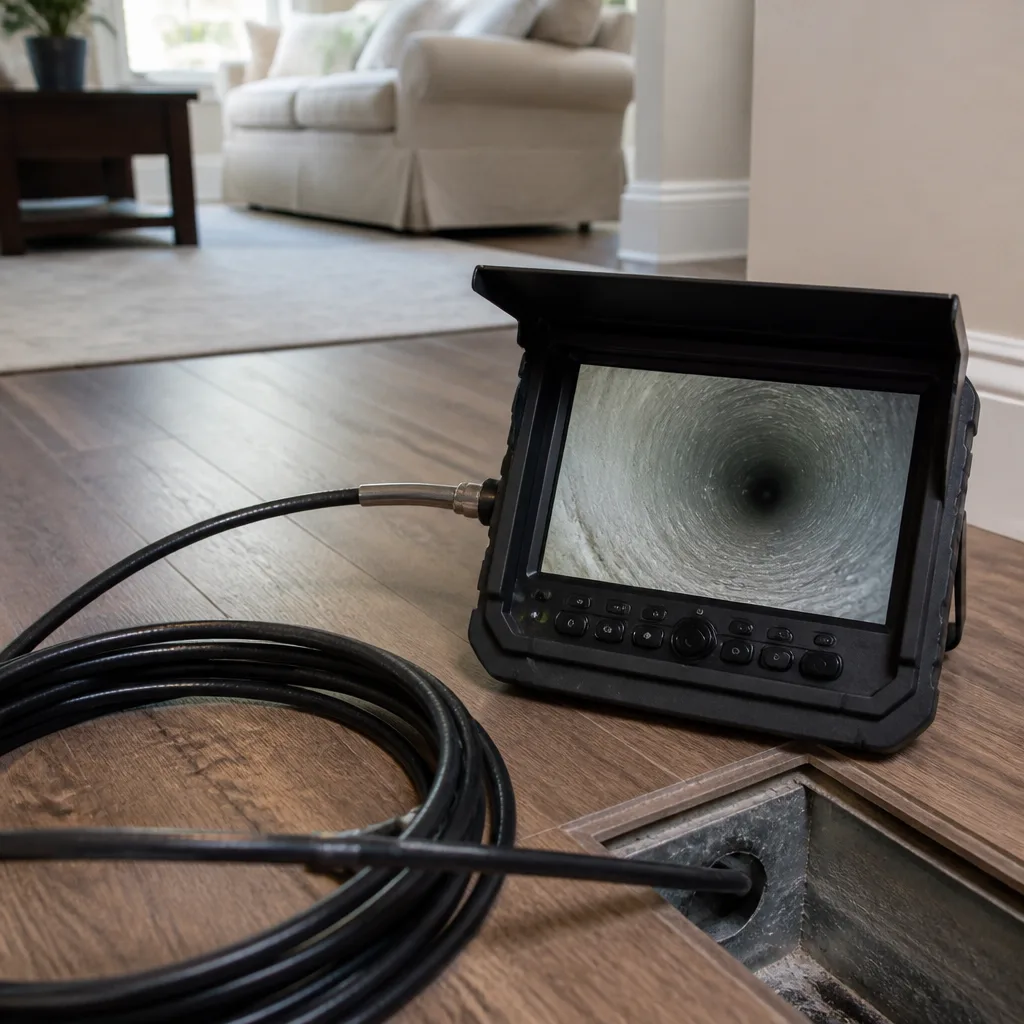 Camera inspection
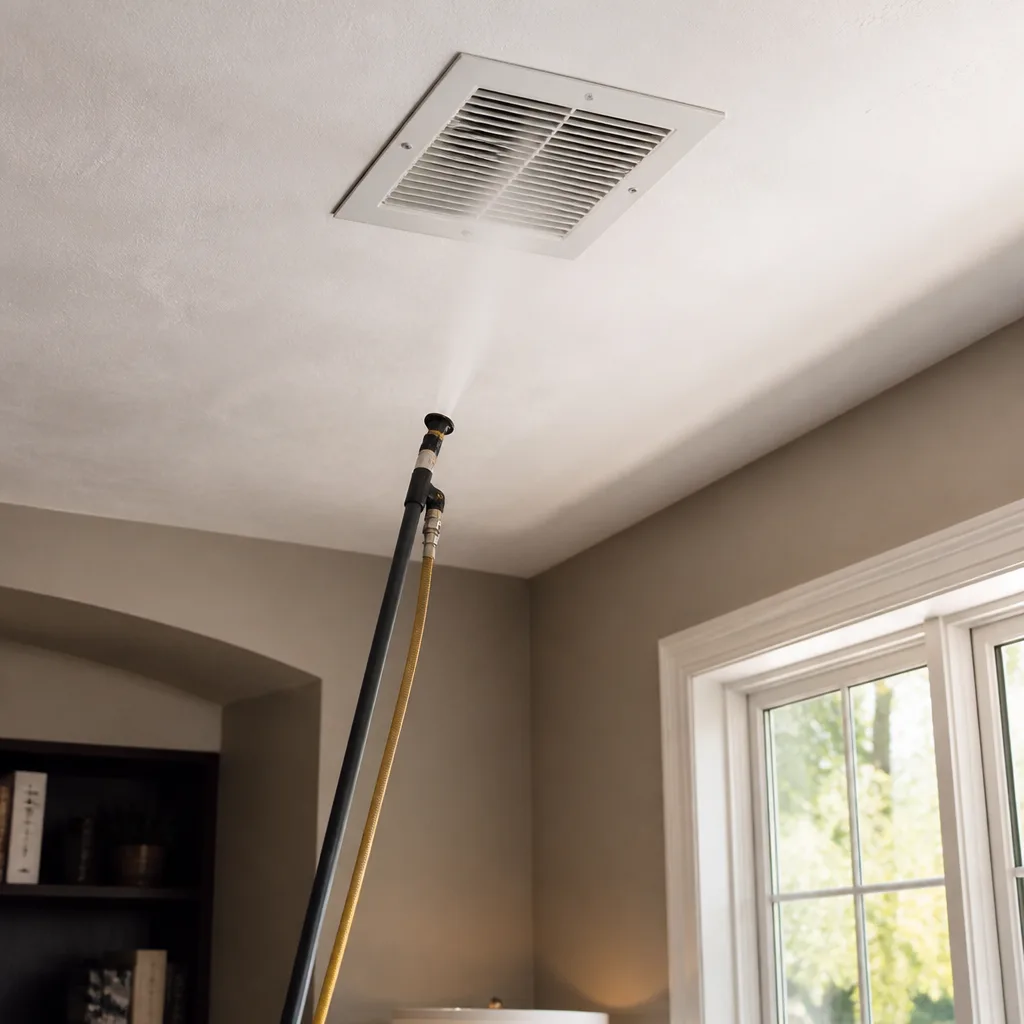 Sanitizing & deodorizing
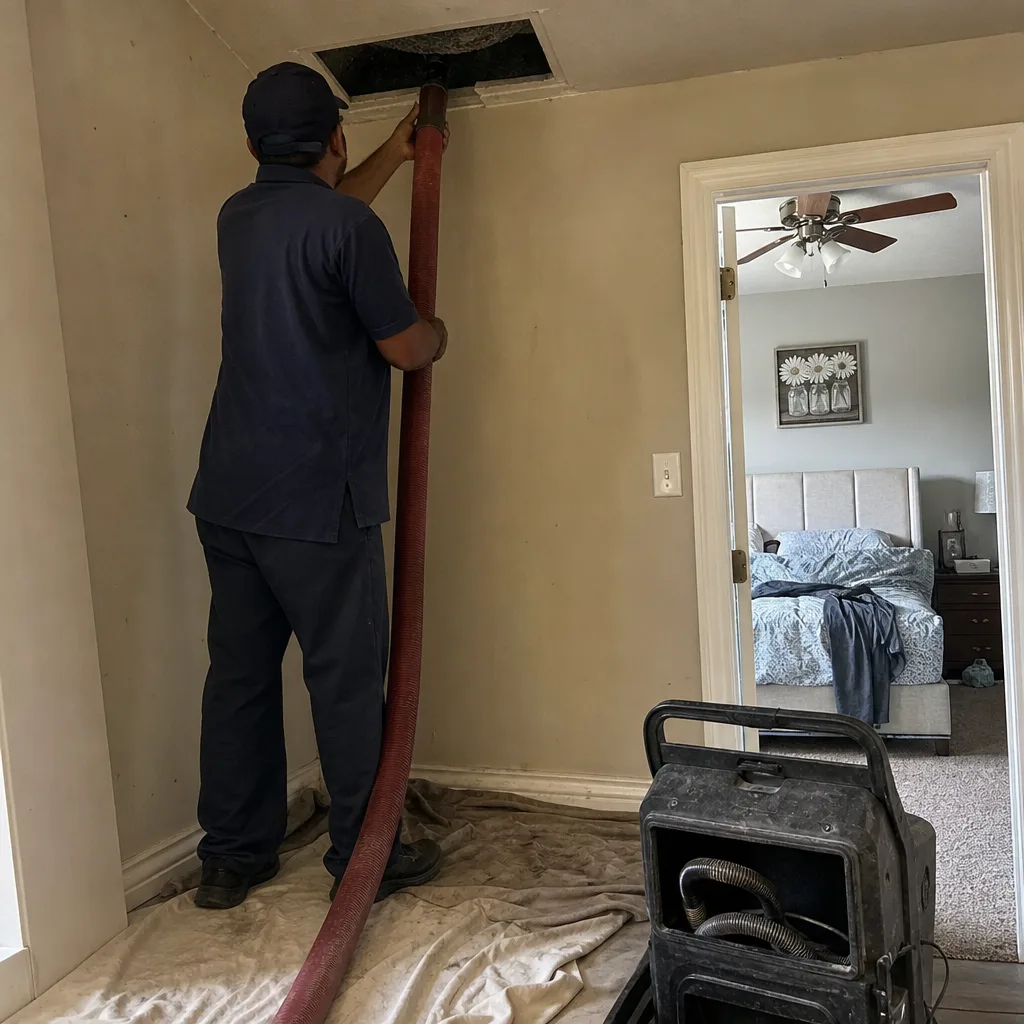
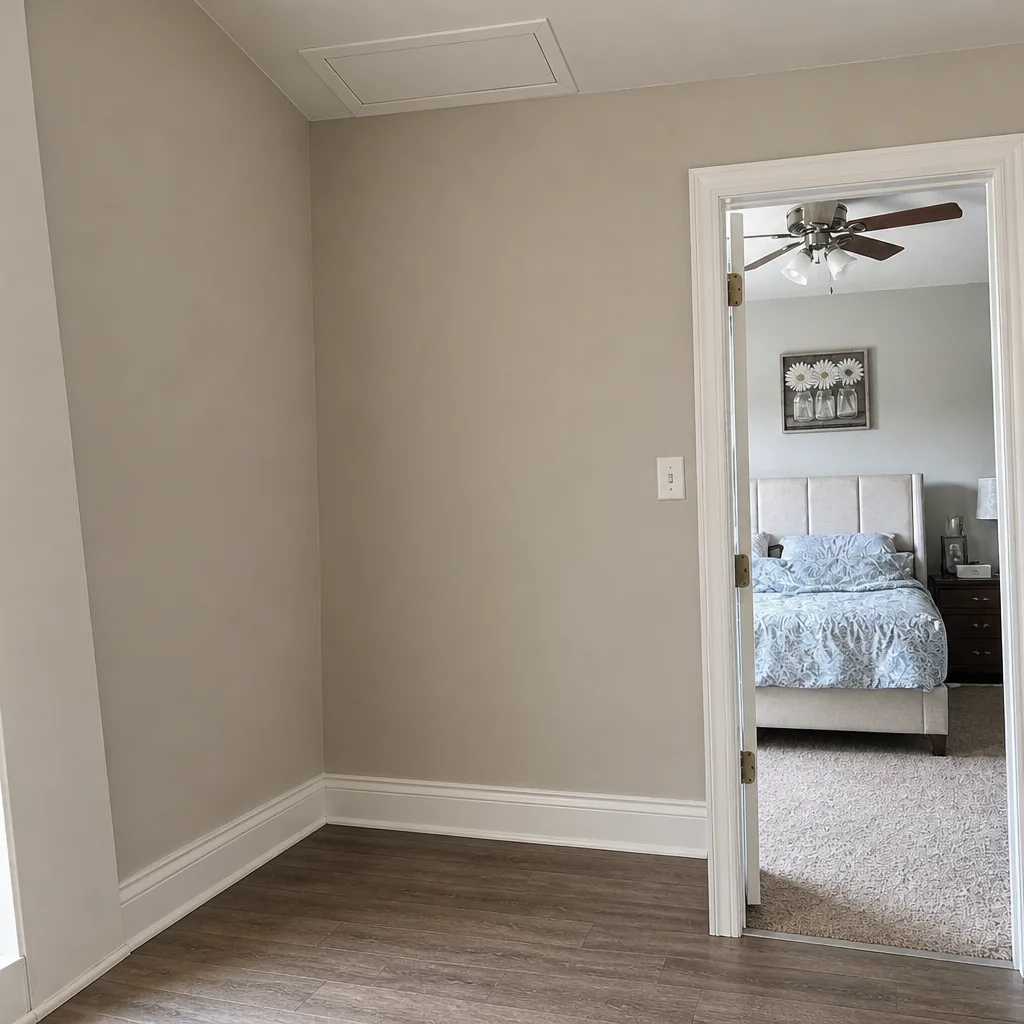
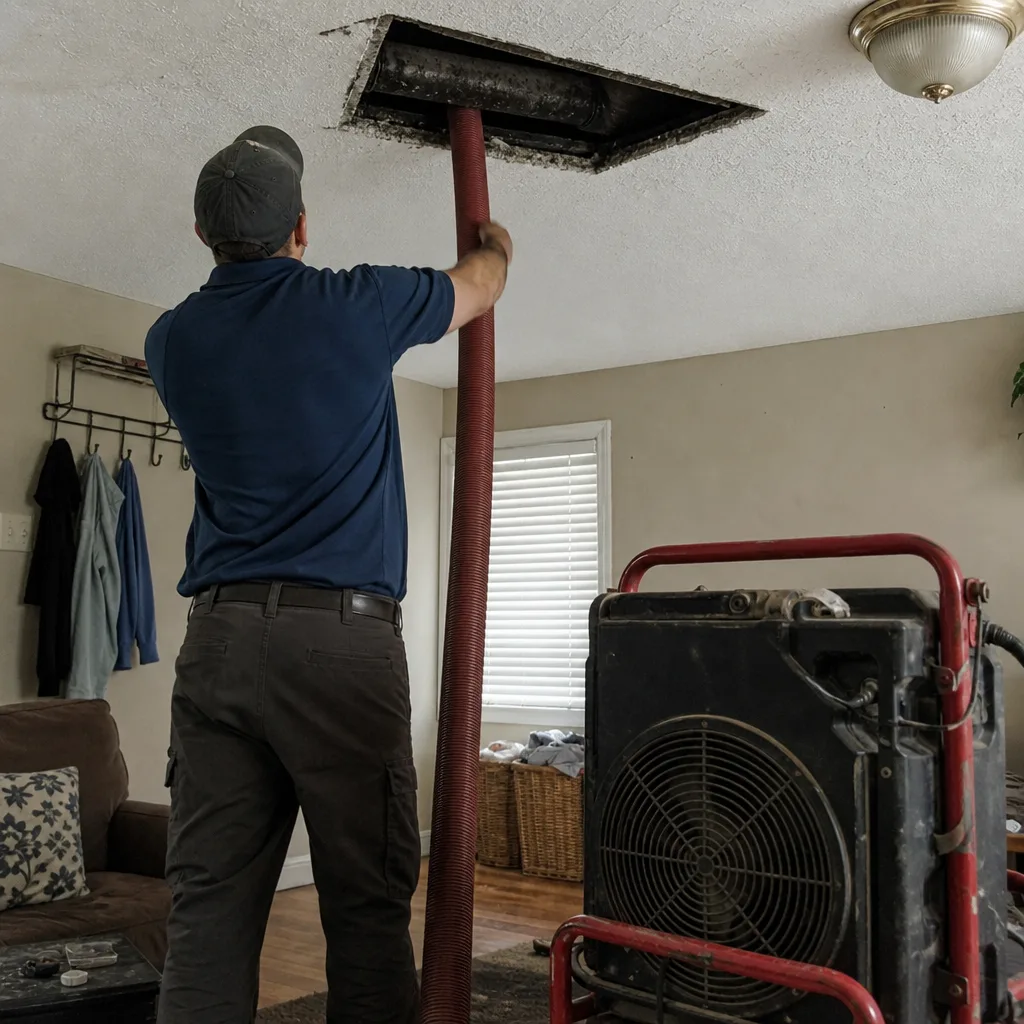
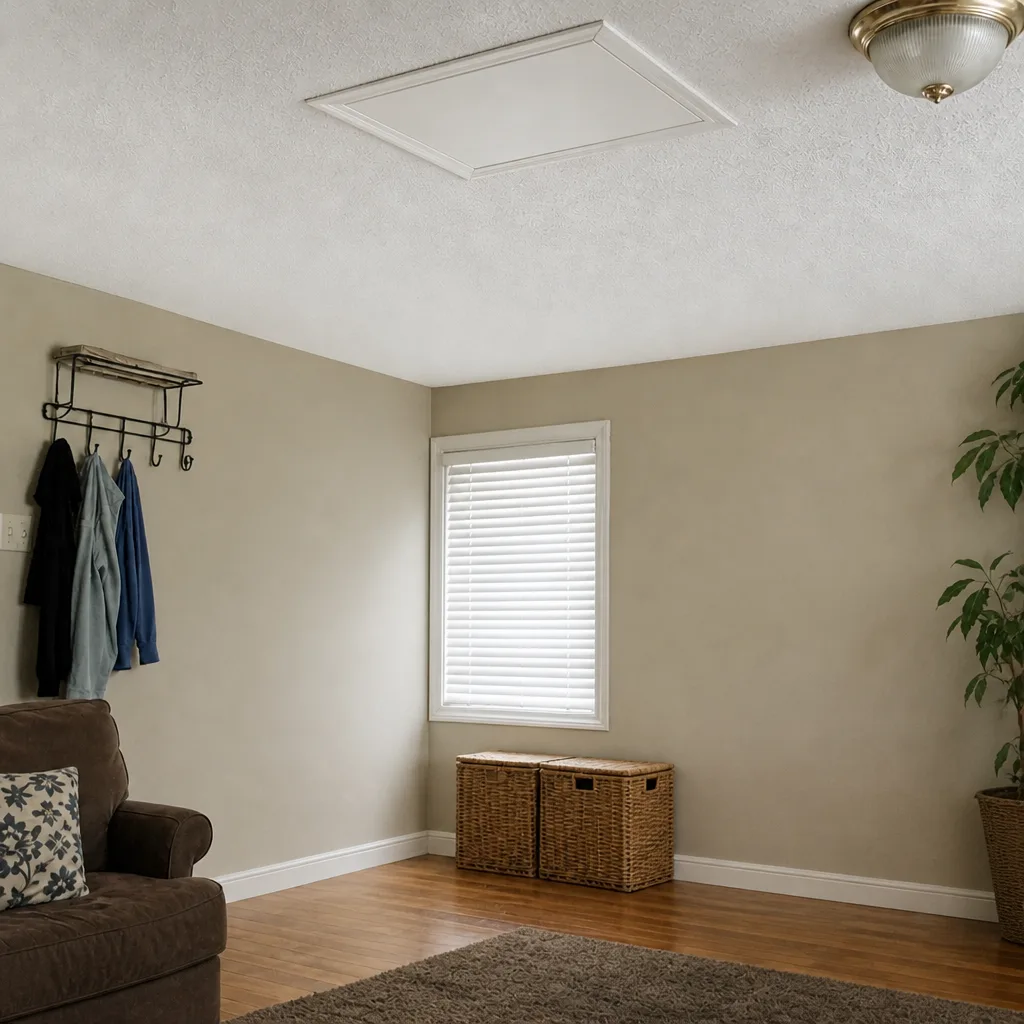
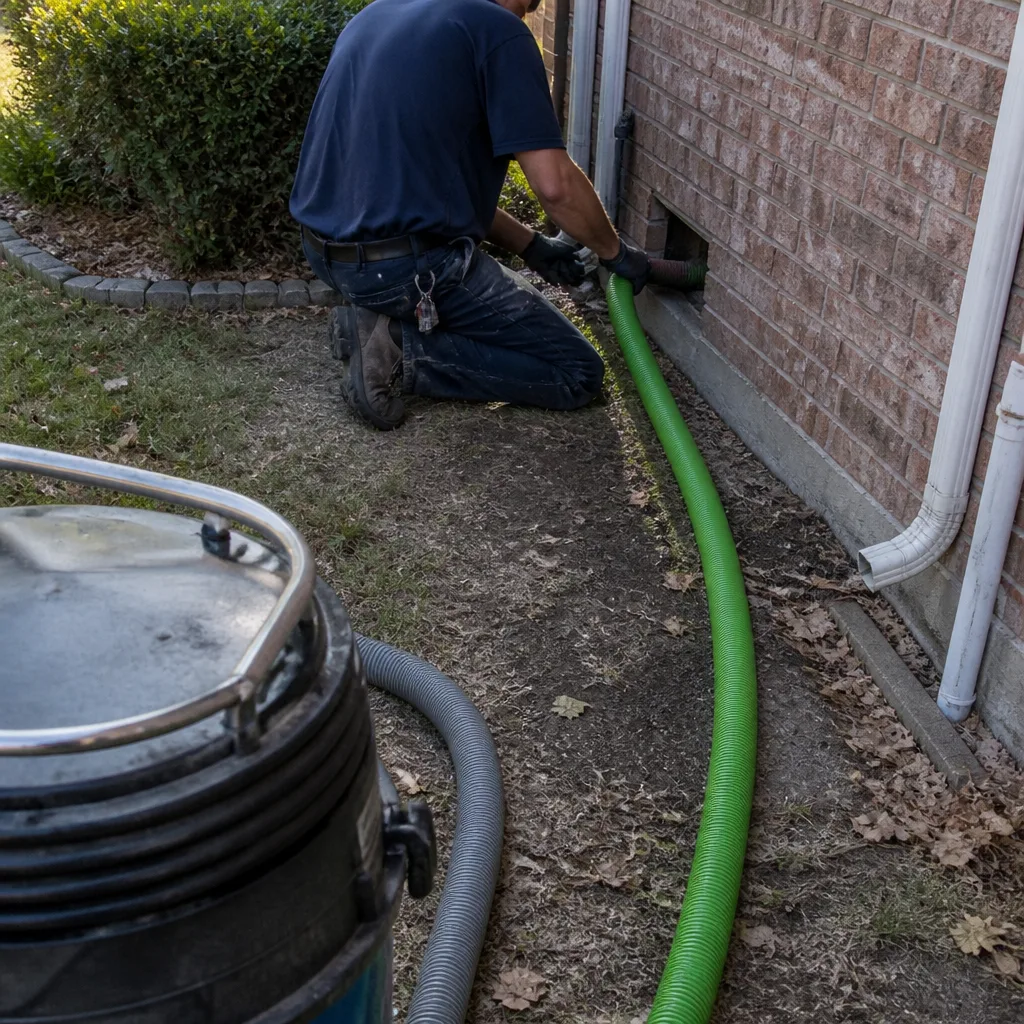
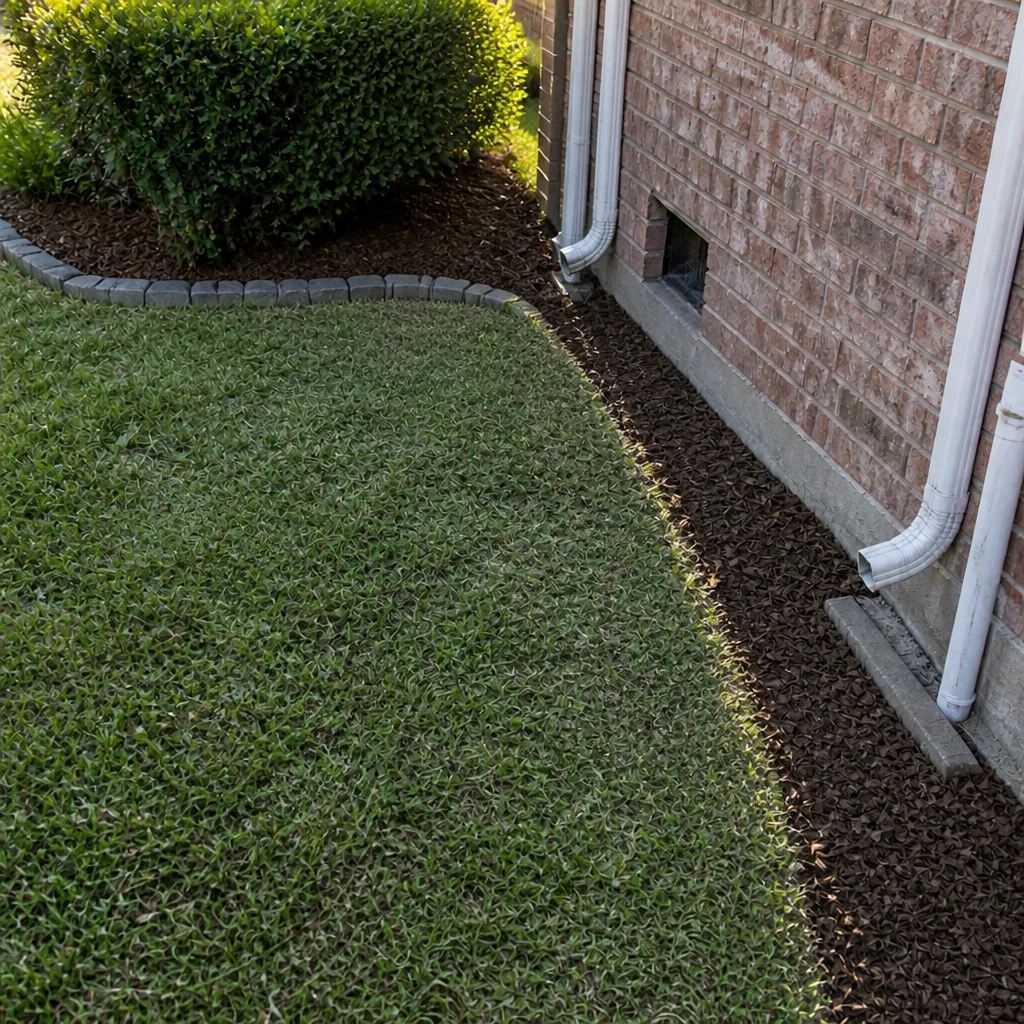
Whole-system duct and dryer vent check with before-and-after photos - you see exactly what came out of your vents
That "$99 whole-house special" is a bait ad - the real number appears once they are in your hallway, or the "clean" is a shop-vac at the register. We photograph the inside of your ducts before and after instead.
Air Duct Cleaning Emergency Preparedness Guide for Allen Homes
Most Allen homeowners treat duct cleaning as something you get to eventually. That instinct is backwards for this area. The events that do the most damage to a duct system here aren’t slow and gradual – they’re fast. A high-wind front that drags West Texas dust across the Metroplex, a smoke plume that parks over Collin County for a week, a burst of severe weather that sends water into places it was never meant to reach. Each of those can push contaminants into your ducts in hours, and the evidence often doesn’t surface until months later when your system starts underperforming. This guide walks you through what to do before, during, and after those events so you’re not discovering the damage after the fact.
Quick Answer
Emergency duct preparedness in Allen means three things: knowing how to configure your HVAC system before a smoke or high-wind event to limit what gets pulled indoors, knowing the inspection sequence to follow after flooding or a shelter-in-place order, and knowing what information to have ready so a technician can act quickly if you need help. The homeowners who come out of these events with clean, functional ductwork are the ones who had a plan before the emergency, not the ones who scrambled afterward.
Styles & brands we work with
- Whole-home duct cleaning
- Dryer vent cleaning
- Camera inspection
- Sanitizing & deodorizing
Table of Contents
- Why Allen’s Weather Puts Duct Systems Under Pressure
- Pre-Event Protocol: Setting Your System Before High Wind or Smoke
- Smoke Events and Shelter-in-Place: What Happens Inside Your Ducts
- Post-Flood Duct Safety: The Inspection Sequence That Matters
- Fire Restoration Context: Why Smoke Odor Remediation Isn’t Standard Cleaning
- What a Post-Event Duct Inspection Should Include
- Emergency Contact Checklist: What to Have Ready Before You Call
- Common Mistakes to Avoid
- When to Call a Professional
- Frequently Asked Questions
Why Allen’s Weather Puts Duct Systems Under Pressure
Allen sits in a part of North Texas where the weather swings hard and the air carries whatever the wind picks up across open country to the west and north. That combination matters for your ducts because your HVAC system is constantly cycling air – pulling return air from inside your home, conditioning it, and pushing it back through supply lines. Every time that cycle runs, it’s also pulling in whatever is near your return grilles and any leaks in the return side of the system.
During a high-wind event, the pressure differential around your house changes. Wind-driven dust, pollen, and fine particulate find their way into attics and crawl spaces more easily, and return leaks that were pulling a trickle of attic air now pull a steady stream. During a smoke event, the same mechanism applies but with something more insidious – combustion particles small enough to travel deep into the system and settle on evaporator coils, blower wheels, and the interior of duct runs.
Allen’s geography adds a wrinkle. The city sits in a corridor that catches smoke from agricultural burning and wildfires to the west and north, and the flat terrain means there’s little to break up a plume once it settles. Homes in neighborhoods like Twin Creeks and Bethany Ridge, built in developments where attic duct runs are common, are especially exposed to return-side leaks during these events. That’s not a design flaw – it’s just how most modern North Texas construction works, and it’s the reason a pre-event plan pays off.
The takeaway: your duct system isn’t sealed off from outdoor air the way you might assume. Understanding that is the first step toward protecting it. If you want a baseline understanding of how your system is currently performing, our duct cleaning Allen overview is a reasonable starting point before you build an emergency plan around it.
Pre-Event Protocol: Setting Your System Before High Wind or Smoke
Before a forecasted high-wind or smoke event reaches Allen, you can take a few concrete steps to limit how much contamination your ducts pull in. These aren’t heroic measures – they’re simple configurations most homeowners never think about until after the fact.
- Close windows and exterior doors early. Don’t wait until the smoke is visibly thick. Fine particulate arrives before you can smell it in many cases, so button up the house the day before a forecasted event if you can.
- Set your thermostat to run the fan in “on” or “circulate” mode only if your filtration is up to it. A standard 1-inch filter will load up fast during a smoke event. If you have a thicker media cabinet or a higher-MERV filter, running the fan continuously with the system in cooling mode can help filter indoor air, but you need to check the filter daily during the event. If you only have a basic filter, running the fan more can actually redistribute particulate instead of capturing it.
- Check your return grilles and filter slot for gaps. A return plenum with a poorly sealed filter slot will pull attic or garage air straight into the system. That’s the single most common path for outdoor particulate to enter a duct system during a wind event. Sealing those gaps with foil tape before the event costs almost nothing.
- Keep the system off during the worst of a dust storm if your windows or doors have been opened. If there’s any chance outdoor air is entering the house, running the system just cycles that air through the ducts. Turn the thermostat to “off” until the event passes, then run the fan for an hour afterward with a fresh filter to clear the indoor air.
- Note the date and duration of the event. Write it down. When you call a technician afterward, knowing the event window helps them assess what they’re likely dealing with and tailor the inspection.
If you have a media filter cabinet or a whole-home air cleaner from a brand like Aprilaire, this is the moment it earns its keep – but only if the filter is fresh going into the event. Check it before the smoke arrives, not after. A loaded filter during a multi-day smoke event is worse than no filtration because it restricts airflow and can cause the system to run hot. Our air duct cleaning page covers how filtration and duct condition interact in more detail if you want to work through that before an event hits.
Smoke Events and Shelter-in-Place: What Happens Inside Your Ducts
When a shelter-in-place order is issued for Allen because of wildfire smoke or poor air quality, most people think about staying indoors. What they don’t think about is what’s happening to their duct system while they’re inside. The house is closed up, the system is running to keep things comfortable, and return-side leaks are steadily pulling smoke-laden air into the ductwork and across the evaporator coil.
The coil is the problem. It’s wet during cooling season, which means it’s a collection surface. Fine smoke particulate sticks to that wet surface and stays there. Over weeks, that layer builds up, restricts airflow, and starts to carry odor. That’s the mechanism behind the pattern we’ve seen in North Texas: homeowners calling months after a smoke event because the house smells stale, the system isn’t cooling as well, and nobody can figure out why. The coil is fouled and the ducts are holding particulate that never got cleaned out.
After a smoke event, here’s what to assess:
- Smell test at the supply registers. Run the fan for a few minutes with the system in fan-only mode. If you smell smoke or a stale, ashy odor at the registers after the outdoor air has cleared, particulate has likely settled in the system.
- Filter condition. Pull the filter and look at it. If it’s noticeably darkened or has a gray, ashy cast after the event, the system pulled significant particulate. Replace it and note the date.
- Visible dust at the return grille. A fine gray film on the return grille face or on nearby surfaces suggests the return side is pulling particulate and not all of it is being captured by the filter.
- Coil access. If you can safely see the evaporator coil (many Allen homes have accessible coil cabinets), look for a dull, grayish film on the coil face. Don’t try to clean it yourself – just note whether it’s there.
If two or more of those signs are present after a significant smoke event, a post-event inspection is worth scheduling. Abatement Technologies equipment and containment practices matter here because the goal isn’t just to vacuum the ducts – it’s to extract what settled without pushing it back into the living space.
Post-Flood Duct Safety: The Inspection Sequence That Matters
Standing water near an air handler or under a home after heavy rain is a different problem than smoke, and it’s more urgent. Water and duct systems don’t mix, because moisture inside a duct run creates conditions for mold growth within days, and if the air handler itself took on water, the electrical components and blower are compromised.
Here’s the sequence to follow after flooding in Allen:
- Turn the system off at the thermostat and the breaker. Don’t run it. If water reached the air handler, running it risks electrical damage and pushes moisture through the entire duct system.
- Document what you see. Photograph standing water, waterlines on the air handler cabinet, and any visible moisture in flex duct runs if they’re accessible. This documentation matters for both the technician and your insurer.
- Don’t run fans or a dehumidifier that pulls air through the duct system. A portable dehumidifier in the room is fine. A system-wide fan pulling air through wet ducts is not – it spreads moisture and any biological growth that’s starting.
- Call for an inspection before you turn the system back on. A technician needs to check the air handler cabinet, the coil, the plenum, and accessible duct runs for moisture and contamination before the system is restarted. Flex duct that took on water often needs replacement rather than cleaning.
- Don’t assume the ducts are fine because the water “only” reached the air handler. In many Allen homes, the air handler sits in the attic or a closet, and water can wick into the plenum and the first several feet of duct before anyone notices. That wetted section is exactly where mold growth starts.
If your home was in a flood-affected area of Allen and you’re not sure whether the duct system was exposed, err on the side of an inspection. A wet duct system that sits for a week is a much bigger problem than one that gets inspected and dried or replaced within a few days. For neighborhoods like Watters Crossing and Fountain Park, where mature trees and drainage patterns can create localized flooding during heavy rain, this is a real scenario, not a hypothetical one.
Fire Restoration Context: Why Smoke Odor Remediation Isn’t Standard Cleaning
If your home has been through a fire – even a small one contained to one room – the duct system needs more than a standard cleaning. This is where a lot of homeowners get tripped up, because the cleaning crew that handles the visible smoke damage may not be equipped for the ductwork.
Standard duct cleaning removes dust, debris, and general particulate. It uses negative pressure and rotary agitation to loosen and extract what’s accumulated on duct surfaces. Smoke odor remediation after a fire is a different job. Combustion byproducts from a structural fire include oily residues, soot with a fine, tacky consistency, and odorous compounds that penetrate porous surfaces rather than sitting on top of them. Standard cleaning equipment can loosen some of that, but containing it and removing the odor requires negative air pressure and containment setups that most general cleaning crews don’t carry.
This is where equipment choices show. Abatement Technologies is a name that comes up in professional remediation because their negative air machines and HEPA containment units are built for exactly this scenario – keeping contaminated air from spreading through the house while the duct system is being cleaned. A crew showing up with a shop vac and a rotary brush is not equipped for fire-related duct contamination. Guardsman products also come into play for surface protection and post-cleaning treatment in some restoration workflows.
If your Allen home has been through a fire, ask any duct contractor you call whether they use negative pressure containment for smoke remediation. If the answer is vague, that’s your signal to keep looking. The duct system is one of the last places fire odor hides, and cleaning it without proper containment can push odor back into the house.
What a Post-Event Duct Inspection Should Include
A proper post-event inspection isn’t a quick peek through a register. It’s a systematic check of the components most likely to have been affected by whatever happened – smoke, water, or wind-driven particulate. Here’s what should be covered:
- Visual inspection of accessible duct runs. The technician should look inside supply and return runs where access allows, checking for settled particulate, moisture, and any damage to the duct interior.
- Return-side leak check. This is where most contamination enters during wind and smoke events. The technician should check the return plenum, filter slot, and any attic-side return runs for gaps.
- Coil inspection. The evaporator coil should be checked for film or fouling, especially after a smoke event or if the system ran during a flooding event.
- Blower wheel and cabinet check. The blower wheel collects particulate and can become a source of odor. The air handler cabinet should be checked for moisture after any water event.
- Filter and filtration assessment. Whether your current filter setup is adequate for the type of event you just went through, and whether an upgrade makes sense given Allen’s recurring smoke and dust events.
- Before-and-after documentation. A technician should be able to show you photos of what was found before cleaning and what the duct interior looks like afterward. This is how you know the work was actually done.
Rotobrush systems are standard for this kind of inspection and cleaning because they combine rotary agitation with negative pressure extraction in a way that lets a technician work methodically through the system rather than just blasting air through it. If you want a clearer picture of what a full inspection and cleaning involves for your home, Allen-specific service details will give you the local context.
Emergency Contact Checklist: What to Have Ready Before You Call
When you’re calling a duct or HVAC contractor after a weather event, the quality of the call depends on what you have in front of you. Have this ready before you dial:
- The date, duration, and type of event. “Smoke event, three days, ended on the 14th” tells a technician more than “we had that smoke a while back.”
- Whether the system ran during the event. Fan on or off, cooling mode or not – this determines what the technician expects to find.
- Any visible signs of contamination. Describe what you saw at the registers, the filter, or the coil.
- Whether there was any water intrusion. Even “a little water in the closet where the air handler sits” is important information.
- Your system type and approximate age of the ductwork. Flex duct versus rigid duct matters for both cleaning method and repair scope.
- Whether your home has had any prior duct work. Repairs, replacements, or previous cleanings all inform the inspection.
- Photos if you have them. A photo of the filter after an event is worth a lot on the call.
One more thing worth noting: if you’re in the middle of an active emergency and need to talk to someone, call (866) 452-2744. We answer 24/7. Fast dispatch from 7am to 7pm, Sunday through Friday. A call outside dispatch hours is booked into the next opening.
Common Mistakes to Avoid
- Running the system continuously during a smoke event with a basic filter. This pulls more particulate into the system than it captures. Check your filter type before deciding whether to run the fan.
- Waiting until you smell odor to inspect after a smoke event. By the time odor is obvious, particulate has often been sitting on the coil for weeks. Check the filter and near-register surfaces as soon as the event clears.
- Turning the system back on after a flood without an inspection. Water in the air handler or duct runs creates a mold risk that gets worse every day the system runs.
- Assuming the visible smoke damage crew is equipped for ductwork. Standard cleaning and fire-related duct remediation are different jobs requiring different equipment. Ask specifically.
- Skipping documentation. Noting the event date and having photos makes the inspection faster and helps if you’re working with your insurer.
- Sealing up return leaks only after the event. The time to seal return gaps in Allen is before the next wind or smoke event, not after.
- Calling a one-service crew for an emergency situation. If your ducts need repair as well as cleaning, a clean-only crew will leave you calling someone else. Look for a company that handles both.
When to Call a Professional
Call a professional if your system ran during a significant smoke event and you’re seeing a dull filter, a gray film at the registers, or a stale odor that doesn’t clear. Call immediately if water reached the air handler or any duct run – don’t turn the system on first. Call if your home has been through a fire of any size, because smoke odor in the ducts requires containment and remediation equipment, not standard cleaning. And call if you’re not sure. A post-event inspection is a reasonable, low-risk step when you don’t know what got into the system.
Duct Cleaning Allen offers free estimates in Allen. Call (866) 452-2744. Our technicians have up to 14 years of experience with the professional-grade equipment this kind of work requires – Rotobrush systems, Nikro tools, and containment practices that fit the job. Whether your issue is post-event contamination or a routine concern, the estimate is free and the price is set per job by the written estimate.
Frequently Asked Questions
Not necessarily. A short smoke event with the system off and windows closed may not push significant particulate into the ducts. But if the system ran continuously with a basic filter during a multi-day event, or if you notice odor or visible film afterward, a post-event inspection is worth it. Call (866) 452-2744 for an exact quote on an inspection – estimates are free.
It depends on your filtration. With a fresh, higher-MERV filter or a media cabinet from a brand like Aprilaire, running the fan in circulate mode can help filter indoor air. With a basic 1-inch filter, running the system continuously will load the filter fast and can redistribute particulate. Check your filter daily during the event and replace it when it looks dark. If you’re unsure whether your setup can handle it, call (866) 452-2744 and we’ll talk through it.
Turn the system off at the breaker first. Don’t run fans or the HVAC system until a technician has checked the air handler, plenum, and accessible duct runs for moisture. Wet flex duct often needs replacement rather than cleaning. Schedule an inspection before restarting. Call (866) 452-2744 for an estimate.
Check the filter for a gray, ashy cast, look for fine film at the return grille, and run the fan in fan-only mode to see if you smell smoke at the registers after outdoor air has cleared. If two or more of those signs are present, an inspection is worthwhile. Call (866) 452-2744 for a free estimate.
Fire-related duct contamination involves oily residues and odorous compounds that penetrate porous surfaces, and proper remediation requires negative air pressure and HEPA containment to keep contaminated air from spreading. That’s a different equipment setup than standard cleaning, and a crew without that gear can’t do the job properly. Call (866) 452-2744 for a specific estimate on your situation – the price is set per job by the written estimate.
We’re closed Saturday. We’re open Sunday through Friday, 7am to 7pm. If a duct or HVAC issue comes up on Saturday, call (866) 452-2744 – we answer 24/7 – and we’ll book you into Sunday’s opening.
Close windows and exterior doors early, seal any obvious gaps around the filter slot and return plenum with foil tape, check that your filter is fresh, and note the event date. If the wind event is severe and outdoor air is entering the house, turn the system off until it passes. Our dryer vent cleaning page also covers vent and exhaust coordination if you’re doing a full pre-storm walkthrough of your home.
The Bottom Line
Allen’s weather gives you warning before most events – smoke forecasts, wind advisories, flood watches. That warning is your window to protect your duct system. Seal return leaks, check your filter, decide whether to run the system, and note the dates. After the event, inspect before you assume, and document what you find. If contamination is likely, a post-event inspection catches it before it becomes a coil fouling, odor, or mold problem. Duct Cleaning Allen handles cleaning, dryer vent safety, and duct repair together, which matters when an emergency leaves you with more than one problem. Call (866) 452-2744 for a free estimate. We answer 24/7 with fast dispatch from 7am to 7pm, Sunday through Friday.
Written by the team at Duct Cleaning Allen.
See the difference
 Before
 After
 Before
 After
 Before
 After