
Last updated November 15, 2026
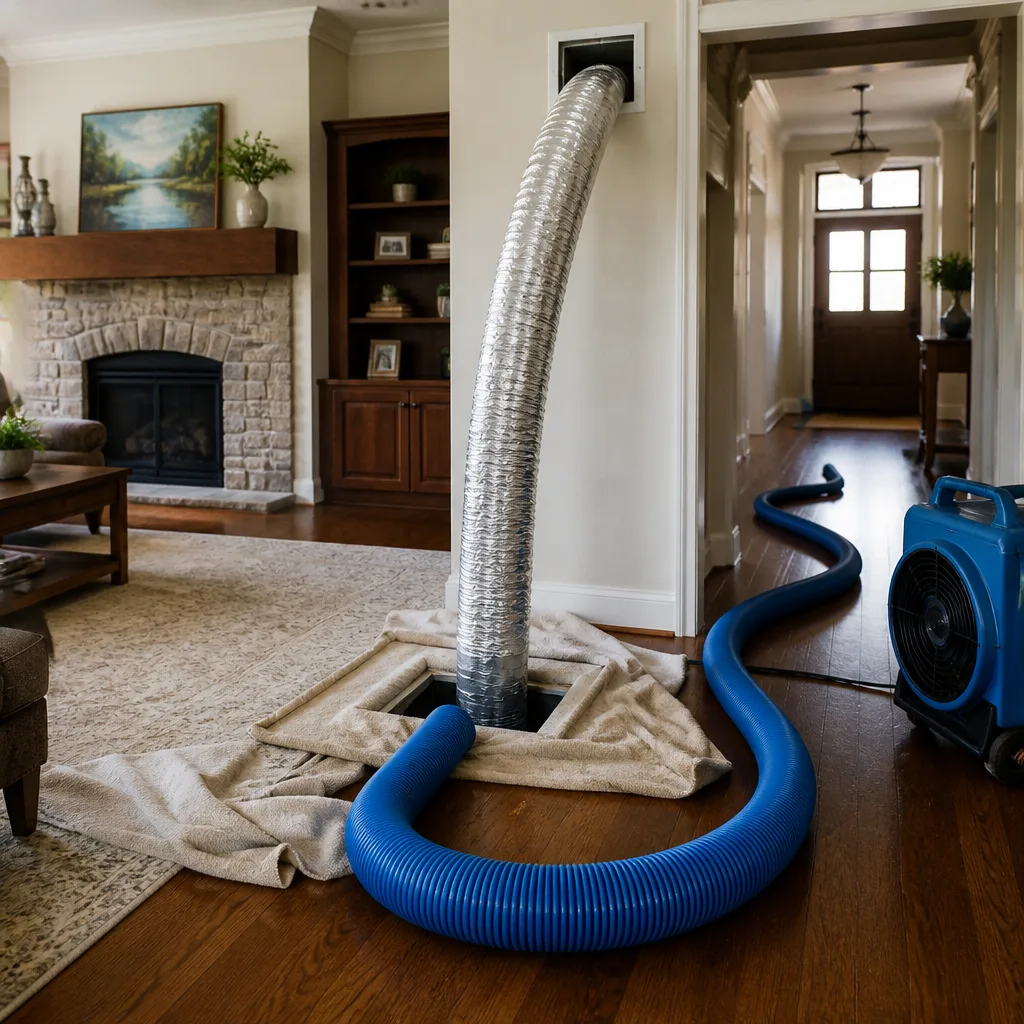 Whole-home duct cleaning
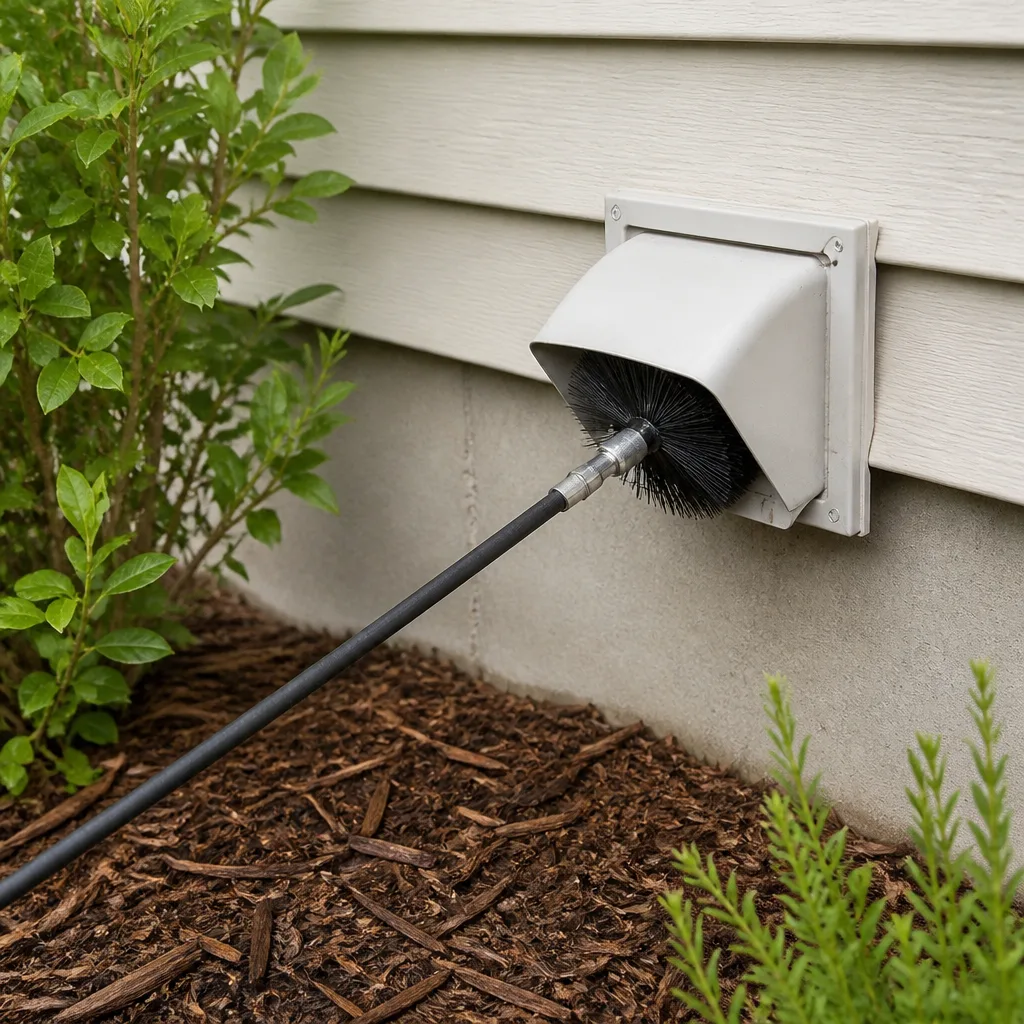 Dryer vent cleaning
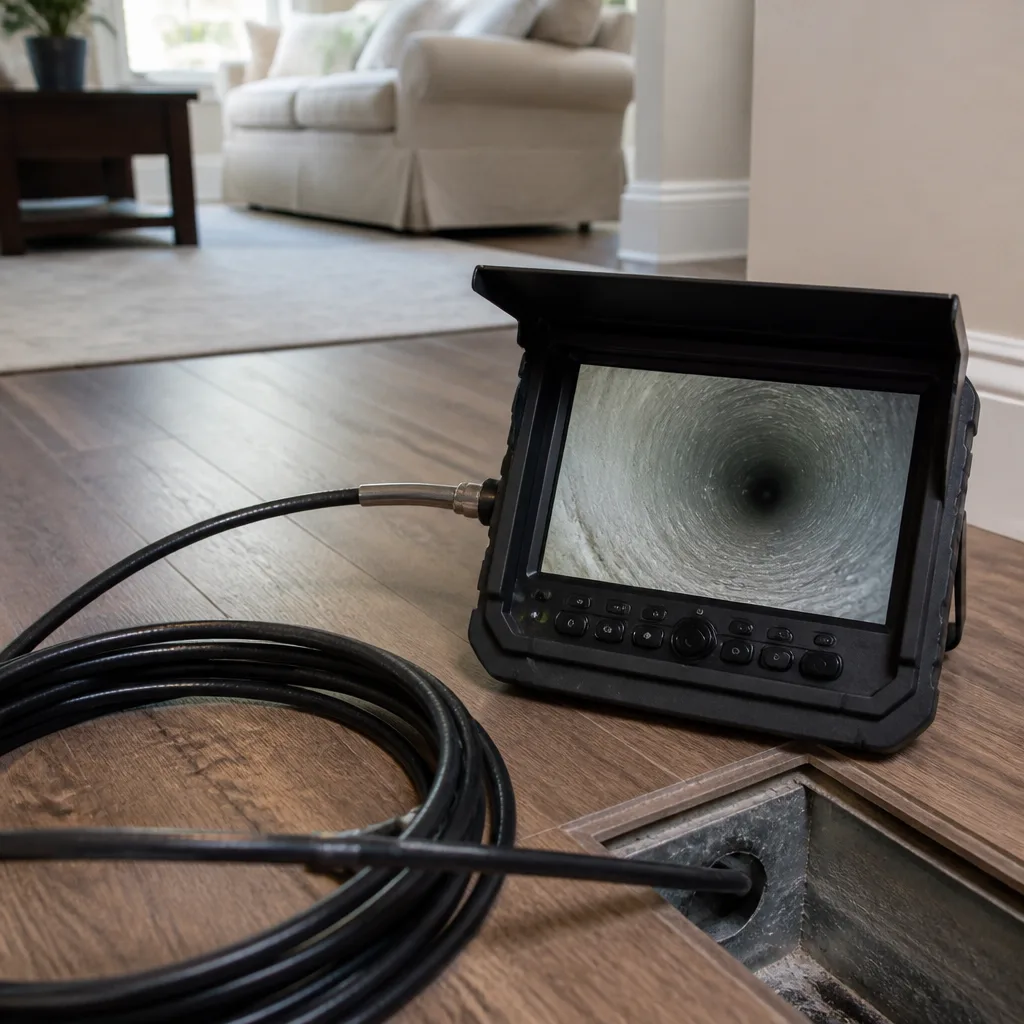 Camera inspection
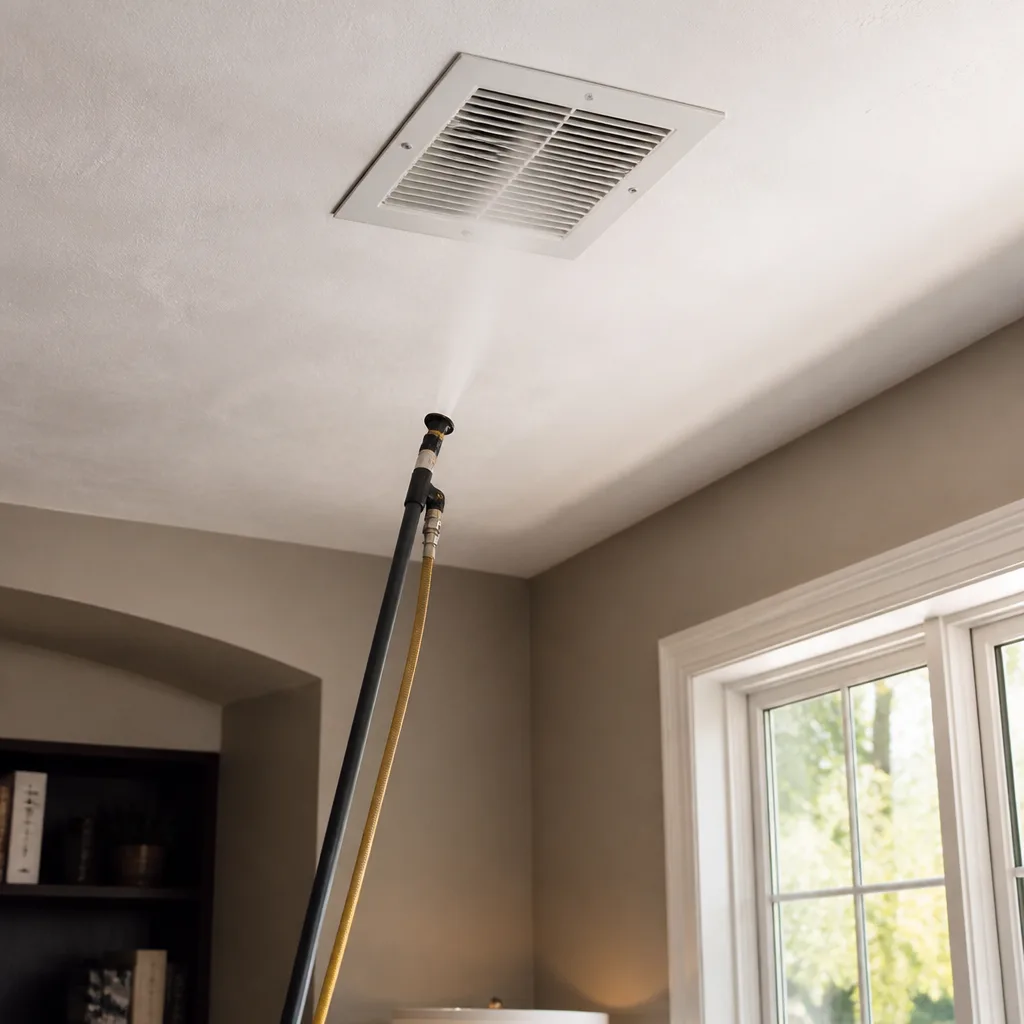 Sanitizing & deodorizing
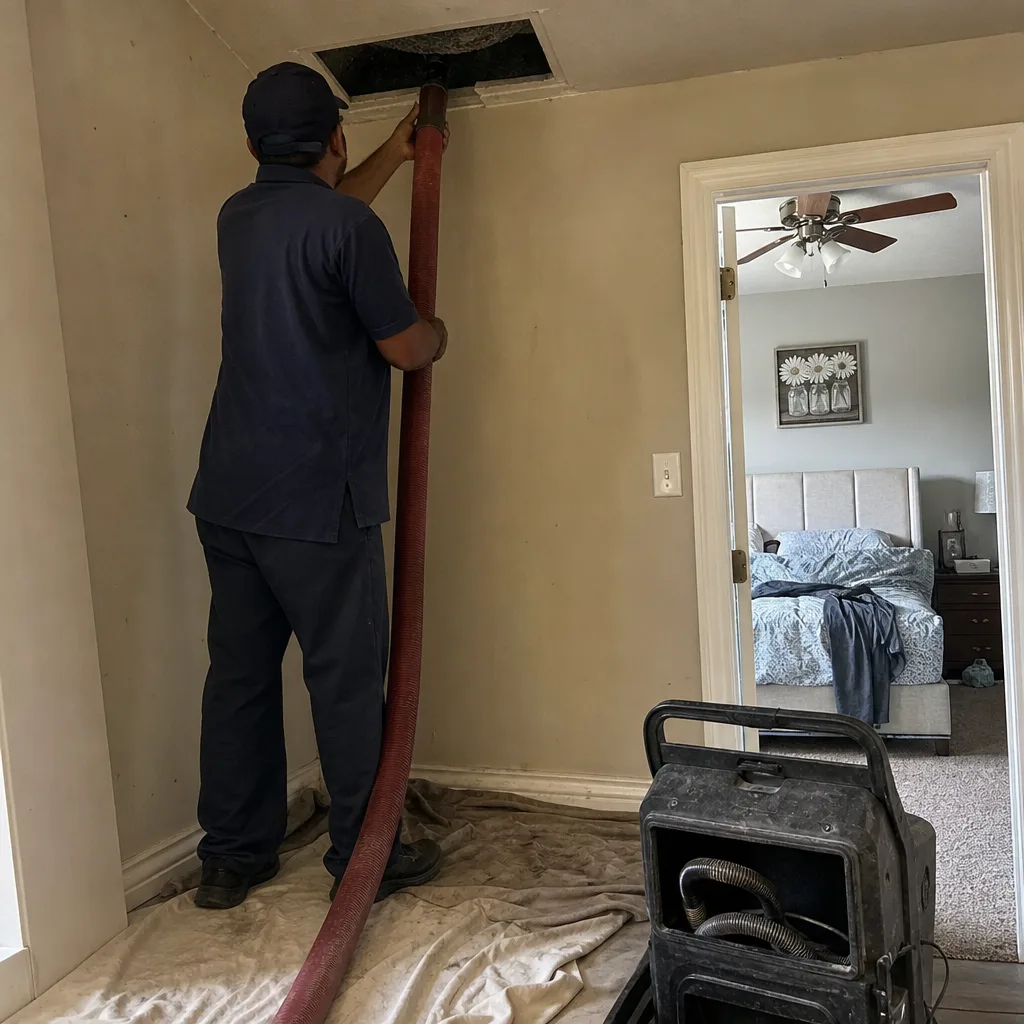
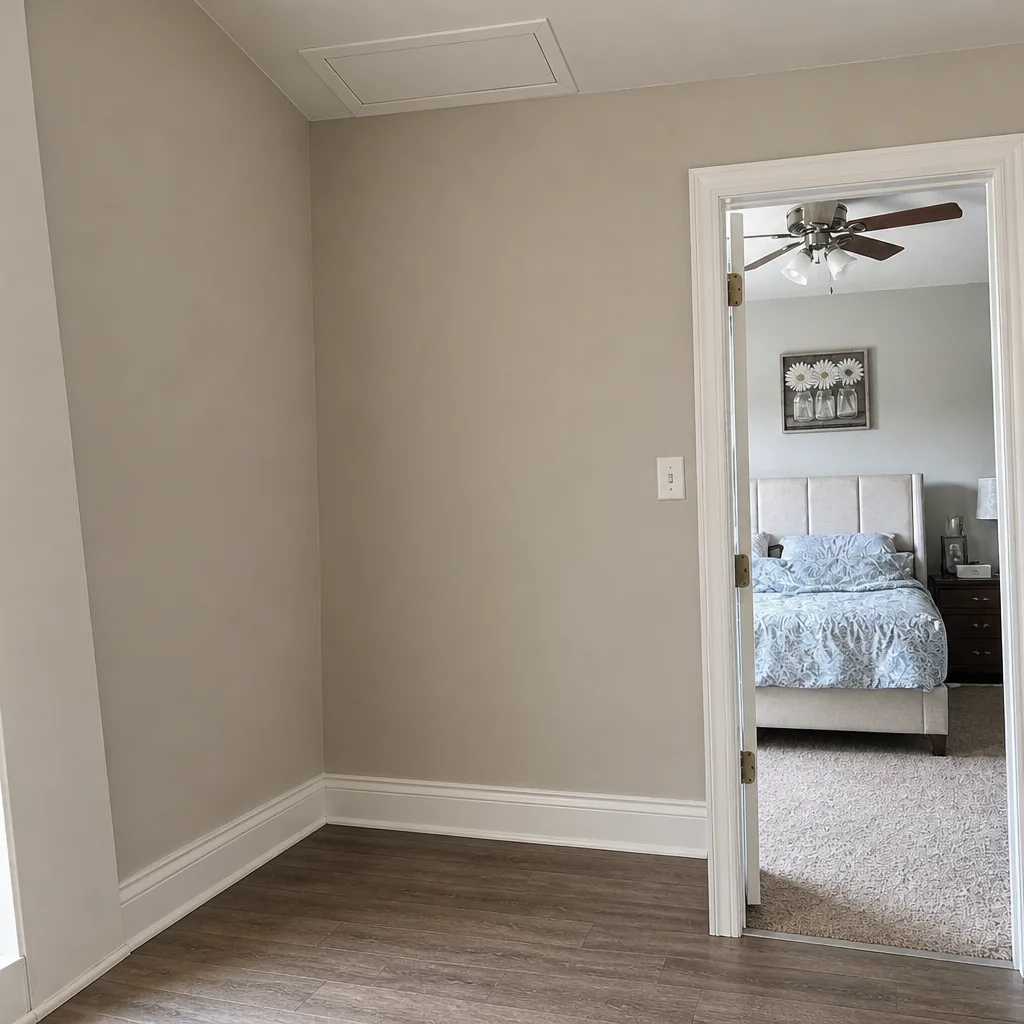
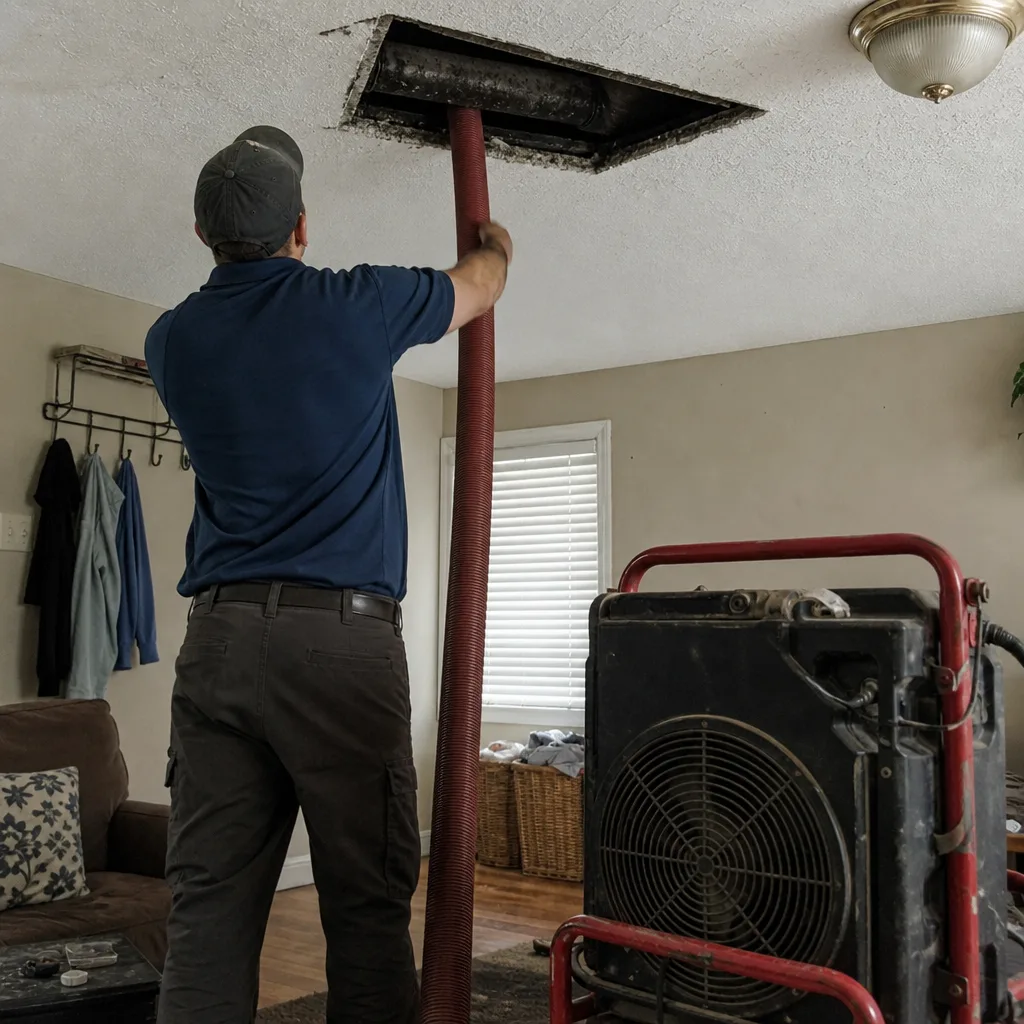
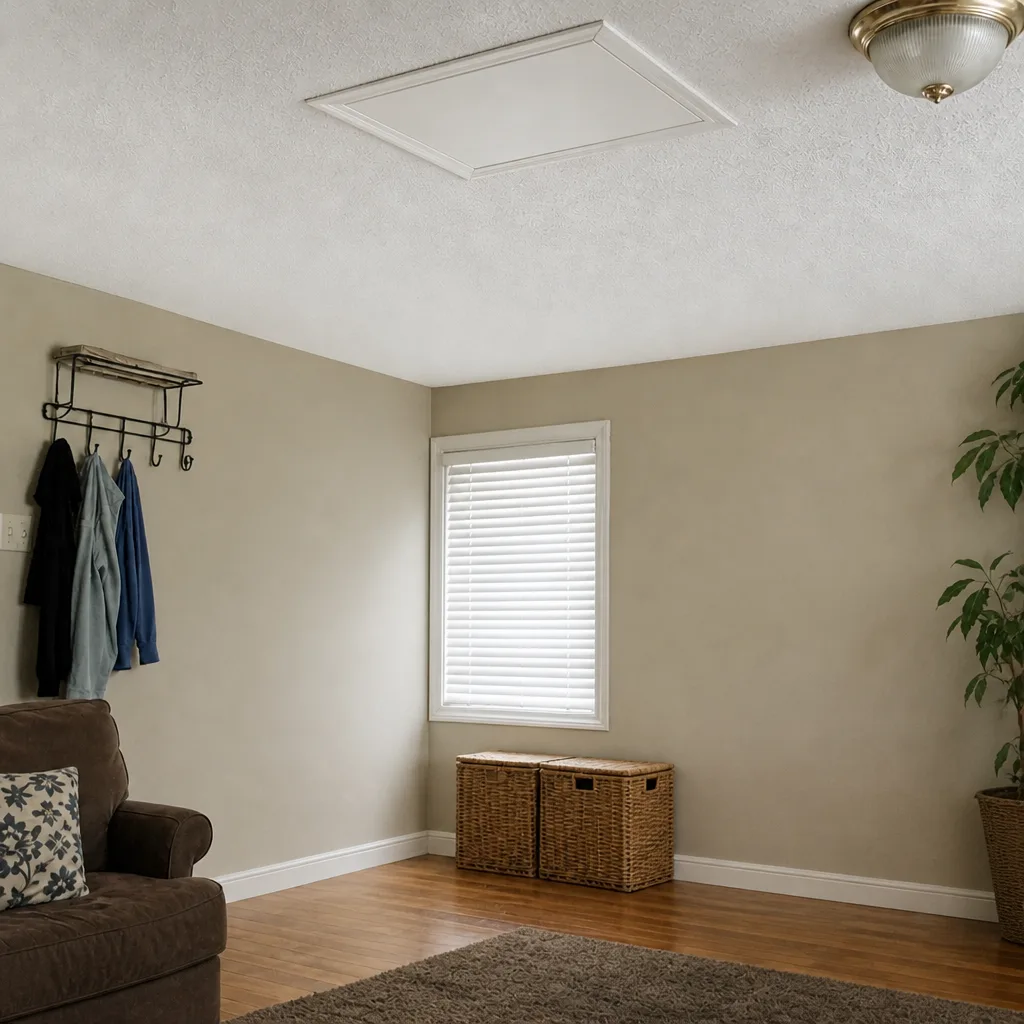
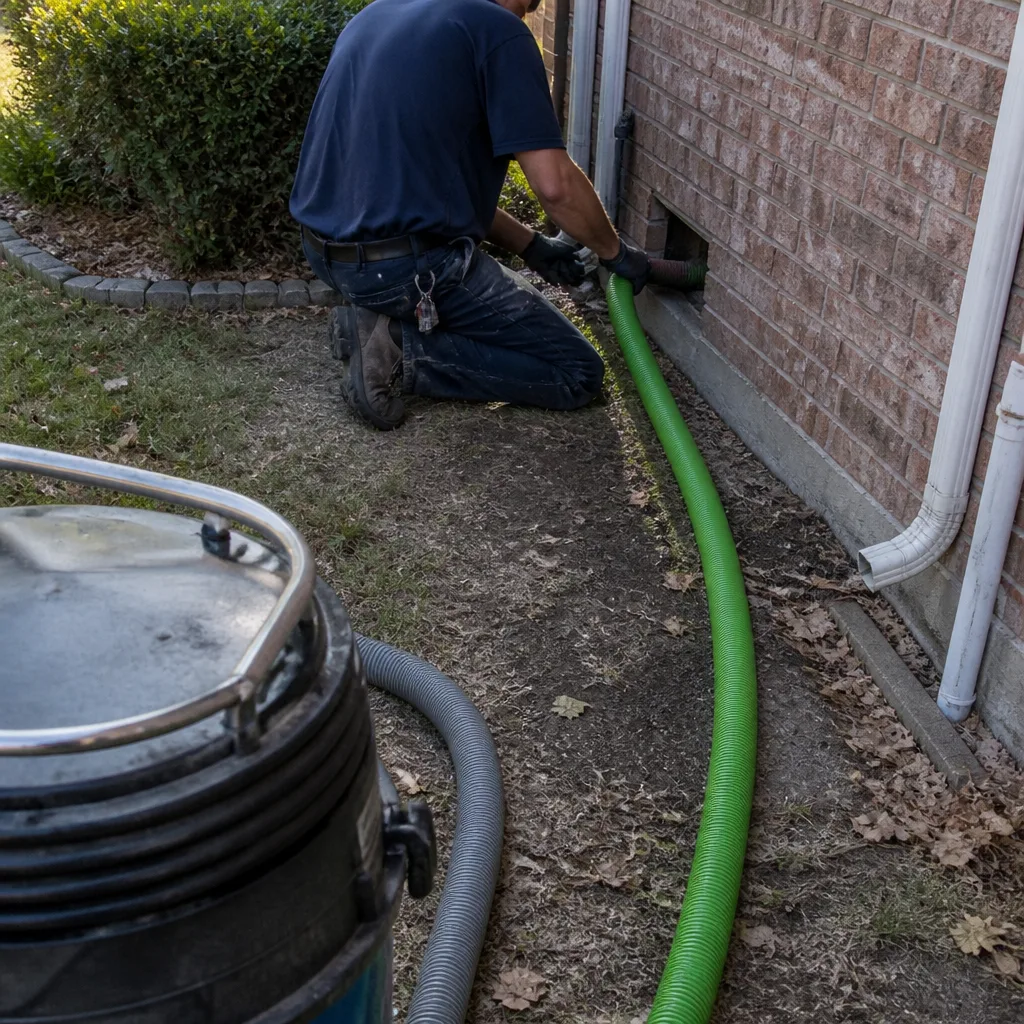
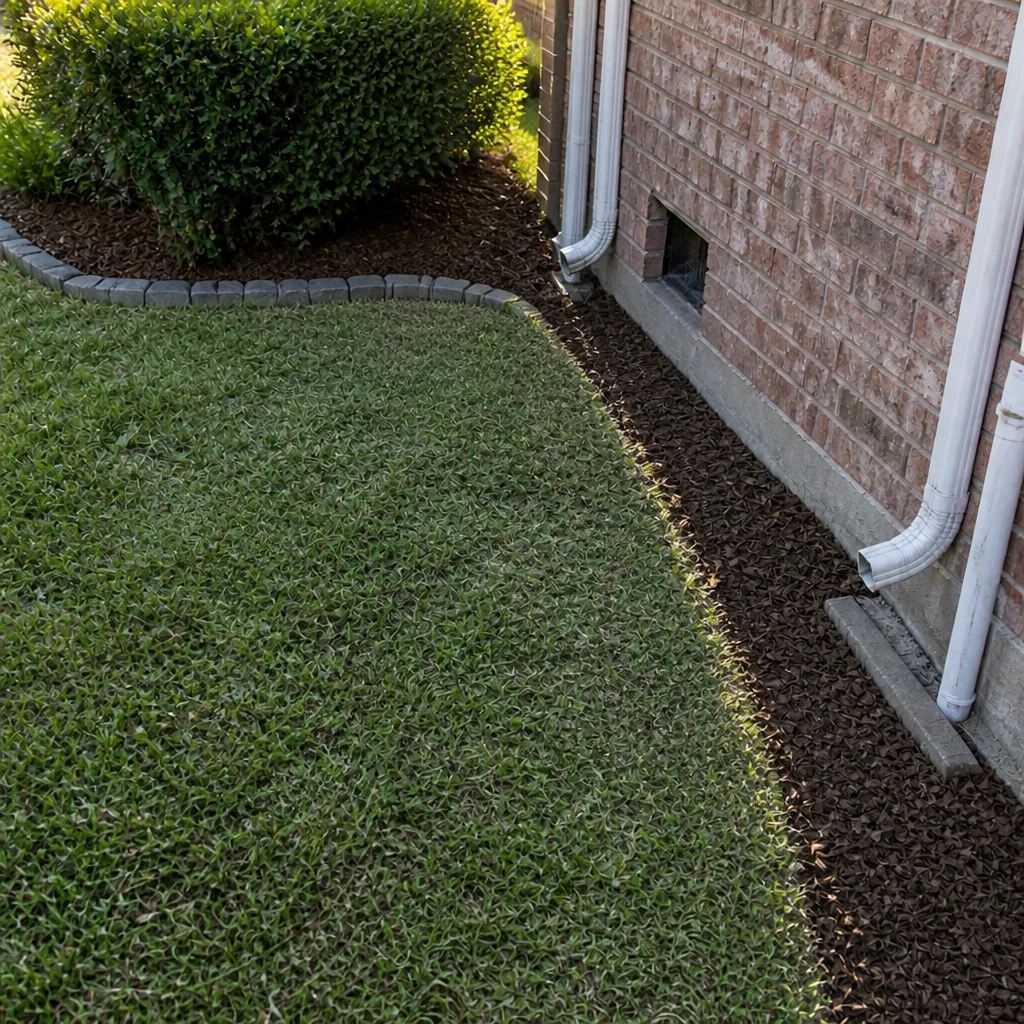
Whole-system duct and dryer vent check with before-and-after photos - you see exactly what came out of your vents
That "$99 whole-house special" is a bait ad - the real number appears once they are in your hallway, or the "clean" is a shop-vac at the register. We photograph the inside of your ducts before and after instead.
How to Hire an Air Duct Cleaning Contractor in Allen: A Step-by-Step Guide
Most homeowners in Allen approach this the way they’d hire a plumber or an electrician: they look for a license, assume someone checked the work, and sign off. That assumption is the problem. Texas does not license air duct cleaning as a trade, so there is no state credential to verify, no exam to trust, and no license number to look up. What separates a competent contractor from a coupon-bait operator is equipment you can ask about and a process you can verify before anyone sets foot in your house. This guide walks you through that process step by step, from the phone call to the signed scope of work, so you know exactly what to ask and which answers should disqualify a company.
Quick Answer
To hire an air duct cleaning contractor in Allen, verify three things before booking: the vacuum system’s rated airflow (CFM), the brush and agitation equipment being used, and whether the contractor can prove negative pressure during the job. Ask for a written scope that names access points, containment method, and post-cleaning verification. NADCA membership matters more than a general contractor license here because no state license exists for this work. The entire vetting conversation should take about fifteen minutes on the phone.
Styles & brands we work with
- Whole-home duct cleaning
- Dryer vent cleaning
- Camera inspection
- Sanitizing & deodorizing
Table of Contents
- Why There’s No License to Check in Texas
- The Three Equipment Questions That Separate Pros From Coupon Bait
- Why NADCA Membership Outweighs a General Contractor License
- How to Structure the Phone Call Before Anyone Arrives
- What a Real Pre-Cleaning Inspection Looks Like
- Contract Terms You Must Get in Writing
- Dryer Vent Cleaning: The Safety Question Most Contractors Skip
- When Cleaning Isn’t Enough: Duct Repair as a Separate Skill
Why There’s No License to Check in Texas
Homeowners in Allen routinely ask for a license number, and the honest answer is that Texas does not issue one for air duct cleaning. It falls outside the state’s regulated trades, which means a company can operate legally with a business registration, a vacuum, and a phone. That lack of oversight is why the vetting burden falls entirely on you. The good news is that the work itself leaves plenty of evidence, if you know where to look.
What replaces the license is a paper trail you can actually examine:
- Certificate of insurance. Ask for it directly. Anyone operating a commercial vacuum system inside a home should carry liability coverage, and a legitimate company will produce the certificate without hesitation.
- Membership in a trade association. The National Air Duct Cleaners Association (NADCA) sets the recognized standard for how this work is done. Membership isn’t mandatory, but it’s a meaningful signal because it reflects voluntary adherence to a code of ethics and technical standards.
- A written scope of work before the job starts. A company that won’t commit the work to paper in advance is telling you something.
- Equipment you can identify by name. Contractor-grade systems from recognizable brands are a shortcut to the whole conversation. When a company routinely works with established names like Rotobrush, Nikro, or Abatement Technologies, they’re working with equipment designed for the actual job.
None of these individually guarantees quality. Together, they form the pattern you’re looking for: a company set up to do the work properly, not just to schedule it quickly.
The Three Equipment Questions That Separate Pros From Coupon Bait
Here’s the practical test. Ask these three questions, listen to the answers, and the quality of the operation usually announces itself.
- “What is the vacuum’s rated CFM, and how is the pressure gauge checked during the job?” The vacuum is the backbone of any legitimate cleaning. A truck-mounted or industrial system with high airflow (measured in cubic feet per minute) is designed to pull dislodged debris toward the collection point. Consumer-grade shop vacuums and portable units have nowhere near the capacity to move a full colony of dust and debris through hundreds of feet of ductwork. A real professional can quote a ballpark CFM figure from memory and explain how negative pressure is monitored during the job.
- “What type of brush and agitation equipment do you use?” Suction alone doesn’t pull caked-on dust off duct walls. Contact agitation (rotating brushes, air whips, or compressed air nozzle systems) lifts debris that adhesion has bonded to the duct interior. Ask which type is used and why. The answer should reference the duct material, because a flexible brush that’s appropriate for rigid metal ductwork can damage ductboard if applied with the same pressure. Vague answers here (“we use brushes”) are a tell.
- “How do you verify negative pressure during cleaning?” This is the question most homeowners never ask and most operators never have to answer. Negative pressure means the cleaning system is holding a slight vacuum on the duct system, so dislodged debris travels into the collection system instead of into the living space. A pressure gauge or manometer check during the job is the answer you’re looking for. If the response is a blank pause, that’s your answer too.
We’ve seen the industry up close, and equipment capability is the single most reliable differentiator. A company that routinely works with professional systems from Rotobrush and Nikro, and that shows up with the apparatus to handle air quality at the equipment level, is going to walk through those three questions without flinching.
Why NADCA Membership Outweighs a General Contractor License
In most regulated trades, a license means someone tested the contractor on code and competency and will revoke that credential for poor work. That system exists for electricians and plumbers. It does not exist for air duct cleaning in Texas. So the question becomes: what’s the next best thing?
The National Air Duct Cleaners Association (NADCA) fills part of that gap. It publishes technical standards for the assessment, cleaning, and restoration of HVAC systems, and it lays out what a proper job looks like in detail. A company that maintains membership has signed on to those standards voluntarily. That’s not the same as a government license, but in a trade with no license requirement, it’s a real signal.
When you interview contractors in Allen, ask three related questions:
- Are you a NADCA member, or do you follow NADCA standards for assessment and cleaning?
- Do you clean according to the source-removal approach (physically removing the contamination from the system) rather than chemical masking or fogging?
- Will the written scope of work state that the cleaning is complete, not just that equipment was used?
A general contractor’s license isn’t a substitute. A GC license covers construction and remodeling work in Texas, not cleaning and assessment of an HVAC system. If a company volunteers that license as proof of duct cleaning competence, note the mismatch. Ask about NADCA. The right answer is a clear yes, with detail.
How to Structure the Phone Call Before Anyone Arrives
The phone call is your one chance to get a scope-of-work commitment before anyone has any leverage. Run it in this order:
- Open with the equipment questions above. Vacuum CFM, brush type, negative pressure verification. Their answers set the tone for everything else.
- Ask about the size and layout of your home. A company that quotes a number on the second sentence of the conversation, before asking a single question about your house, is selling a coupon, not a service. Expect questions about square footage, number of systems, number of returns, and how long the duct runs are.
- Ask what’s included in the scope. Do they clean the trunk lines and branch runs or only the visible register-to-wye section? Do they clean the air handler coil separately? Will they remove and clean the supply and return registers? A legitimate quote is itemized by component, not just per vent or per system.
- Ask how long the job takes. For a typical single-family home, a proper cleaning involves hours of work, not minutes. If the quote is fast and the on-site time sounds short, ask why.
- Ask for the written scope before booking. It’s the foundation for everything that follows. Get it emailed and read it before you confirm.
- Ask about the drying vent. Dryer vent cleaning is a different service, but a full-scope company offers it. If they don’t, that’s a clue about what else they may not offer.
- Ask about repair capability. If the inspection turns up a crushed flex run, a disconnected joint, or a punctured ductboard section, can they fix it? A cleaning-only company will refer you elsewhere, which affects your time and cost.
By the end of this call, you should know exactly what will happen, what equipment will be used, and what you’ll pay. If any of those three is unclear, that’s the finding.
What a Real Pre-Cleaning Inspection Looks Like
A proper inspector arrives with equipment, not a clipboard and a sales pitch. The line between a genuine assessment and a pressure-tactic walkthrough is usually obvious once you know what to watch for.
A real inspection includes:
- Visual camera inspection. A camera run into the ductwork through a register or access point lets both parties see what’s inside. Real debris buildup, flex duct collapse, or a disconnected joint is confirmed visually. If they can’t show you the inside of your own ducts, the assessment is speculation.
- A look at the air handler and coil. Dust loading at the coil and blower wheel tells you whether contamination has made it down the system. In Allen’s dry climate, dust accumulation tends to be fine and widespread rather than visibly fluffy, which makes a physical look more useful than guessing from a register.
- Dryer vent check. If your dryer is slow, the vent run is part of the assessment, not a separate conversation.
- Written findings. Real problems get named and located in the report, along with a recommended fix. If the answer is “your whole system needs cleaning” with no location detail, that’s a red flag.
What a sales walkthrough looks like: a quick glance at three registers, a story about dust mites, and pressure for a decision on the spot. A real inspection can be completed without push. If someone tells you there’s no reason to inspect further and you need to clean immediately, that’s a straight red flag.
Contract Terms You Must Get in Writing
The written scope of work is where the industry’s bait-and-switch reputation gets settled. It’s your protection, and it costs a legitimate company nothing to provide.
Require all of the following to be in writing:
- Access point locations. How many access points are being cut into the duct system, and where? Cutting too few access points means limited cleaning, and cutting none means the duct interior is being suctioned only through small register openings. Ask for the list. In many Allen homes, particularly newer builds with longer trunk runs, this matters more than people expect.
- Containment method. How will drywall, flooring, and furnishings be protected? Negative pressure during cleaning does most of the work here, but the plan should be written down.
- Cleaning verification. How will the contractor confirm the work is complete? Ask for a post-cleaning verification, which typically means a visual check after the job and a review with you. Before-and-after photos of your own ducts are the simplest form of the same idea.
- One flat price for the whole system. Not a per-vent price with an “additional vents” line item. Not a base rate plus a discovery charge once they’re onsite. A single agreed total, in writing, before work starts.
- Written scope before the work begins. No “we’ll scope it onsite.”
- Post-work summary. What was found, what was cleaned, what was repaired, and anything that will need follow-up.
If a company’s quote is a single number with no scope attachment, ask for the detailed version. If they push back, that’s your answer.
Dryer Vent Cleaning: The Safety Question Most Contractors Skip
Ask any fire safety educator and the same point comes back: dryer vents are a leading cause of residential house fires, not just an efficiency annoyance. A lint-clogged vent restricts airflow, which raises dryer temperatures and creates conditions that lint can ignite. In a city where many homes sit close together and dryers run regularly, this is a safety question, not an air-quality preference.
Most duct cleaning companies don’t offer dryer vent service at all. That’s a gap worth noticing during the hiring conversation. When you’re vetting contractors in Allen, ask two things:
- Do they clean the dryer vent with the same professional equipment they use on ductwork, or with a consumer-grade lint brush?
- Do they check the full vent run, including the exterior termination, for crushed or disconnected sections?
A company that does both duct cleaning and dryer vent cleaning with professional equipment has the tools and the process in place. It’s a good sign that the company takes the safety side of the trade seriously, not just the maintenance side.
When Cleaning Isn’t Enough: Duct Repair as a Separate Skill
Not every duct problem is a cleaning problem. Cleaning removes contamination. Repair restores structural integrity. They’re different skills, they require different tools, and many contractors can only do the first.
What structural problems look like in Allen homes:
- Punctured or torn flex duct on runs that pass through tight attic spaces
- Disconnected joints at wyes and boots
- Crushed sections that were stepped on during previous work
- Ductboard deterioration from moisture or impact
A company that offers both air duct cleaning and repair can address what the inspection finds without handing you off to someone else. When you’re hiring, ask the direct question: “If the inspection finds a disconnection or a crushed run, can you repair it and quote it before you do the work?” A yes, with a written estimate, is what you want to hear.
We’ve built our service around this full scope because the alternative is frustrating for homeowners: clean the ducts, then call someone else to fix the reason they got dirty in the first place. Air Duct Repair, alongside cleaning, is the setup that actually gets the system back to working order. If your system involves Air Duct Cleaning and repair, going through one company is the simpler path.
Common Mistakes to Avoid
- Booking based on a coupon price alone. A very low advertised price usually means a quick pass with basic equipment. Ask what’s actually included before you book, and compare the scope, not just the number.
- Not asking what equipment will be used. Generic answers (“we have professional tools”) tell you nothing. Ask about CFM, brush type, and negative pressure verification directly.
- Skipping the pre-cleaning inspection. Without an inspection, you don’t know which sections actually need cleaning, and you’re paying for work on ductwork that may not need it. In Allen’s dry climate, dust accumulation can be concentrated in specific runs.
- Accepting a verbal scope. A price quoted over the phone with no written scope document leaves too much room for change once work begins. Get it in writing.
- Assuming a general contractor license is relevant. It isn’t. Texas doesn’t regulate this trade, so ask about NADCA membership and equipment instead.
- Skipping the dryer vent. Homeowners often book duct cleaning and forget the vent. It’s a separate safety issue and worth asking about in the same call.
- Not asking whether the company can also repair ductwork. Cleaning around a disconnected joint or a crushed run is wasted effort. Ask about repair capability before booking the cleaning.
See the difference
 Before
 After
 Before
 After
 Before
 After
When to Call a Professional
Some jobs wait. These shouldn’t. Call a professional if you notice any of the following: visible dust accumulation around registers or on the coils, a persistent musty smell when the HVAC kicks on, a dryer that takes longer than one cycle to dry a load, visible signs of crushed or disconnected flex duct in the attic, or vents that push noticeably less air than they used to. In Allen’s dry climate, fine dust can spread through a system quickly and deposit on the air handler coil, so repeated dust buildup at the return grilles is worth investigating rather than vacuuming away. If your HVAC contractor has already flagged a duct issue, the sooner it’s addressed, the better. Different companies diagnose differently, but a thorough inspection at the start of any cleaning job is the standard to hold every contractor to. Duct Cleaning Allen offers free estimates in Allen, with the price set per job by the written estimate. Call (866) 452-2744. We answer 24/7. Fast dispatch from 7am to 7pm, Sunday through Friday.
Frequently Asked Questions
The three most reliable signals are equipment you can verify by name, a written scope of work provided before booking, and willingness to answer detailed questions about CFM ratings, brush type, and negative pressure verification. NADCA membership is a strong indicator because no state license covers this trade, so professional affiliation is the closest thing to a credential. If a company can’t show you a written scope and name their equipment, look elsewhere. Call (866) 452-2744 for a free estimate – estimates are free.
Lower quotes usually reflect less equipment and less time. A truck-mounted high-CFM vacuum, professional brush and agitation systems, and a pre-cleaning inspection take real resources; a basic brush and a shop vacuum don’t. Some cheap quotes also hide costs in per-vent pricing or add-on charges after the technician arrives. Ask for a written scope of work that names everything included, and compare that against the price. Call (866) 452-2744 for an itemized estimate – estimates are free.
There’s no fixed number, because every home has a different system layout and every job has a different scope. Be skeptical of anyone who quotes a flat per-vent price or a coupon figure. The price should be set per job by the written estimate after the inspection and scope have been agreed. Call (866) 452-2744 for a free estimate based on your specific system.
Yes. Dryer vent cleaning is one of our three core services, alongside duct cleaning and duct repair. It’s worth booking together with duct cleaning, since both are part of the same system of moving air through a home. If your dryer has been slow or you haven’t had the vent checked, this is the moment to ask. Call (866) 452-2744 to bundle both into one estimate – estimates are free.
There’s no single answer that applies to every home. The general guidance is to have the ducts assessed first and cleaned when the inspection shows significant accumulation, after major renovations, or if anyone in the home has respiratory sensitivities. In Allen’s dry climate, dust can accumulate on register grilles and the air handler coil more quickly than you might expect. Rather than following a schedule, get an inspection and let that guide the decision. Call (866) 452-2744 for a free assessment.
Yes. Duct repair is a core service, not an afterthought. If the inspection turns up a disconnected joint, a crushed run, or a punctured section, we can address it as part of the job instead of sending you elsewhere. The price for the repair goes in the written estimate before any additional work starts. Call (866) 452-2744 for a free estimate covering the full scope you need.
The Bottom Line
Hiring an air duct cleaning contractor in Allen isn’t about finding the right license. There isn’t one to look for. It’s about checking the three things that actually tell you what kind of operation you’re dealing with: the vacuum’s airflow capacity, the brush and agitation system, and whether negative pressure is verified during the job. Ask those questions on the phone. Ask for a written scope of work before booking. Make sure the scope covers access points, containment, verification, and a single flat price for the whole system. Then look for the company that also handles dryer vents and can repair what the inspection finds, because a full-scope contractor gives you a more complete job and fewer calls. Get the inspection first, get the scope in writing, and the hiring decision gets easier from there.
Written by the team at Duct Cleaning Allen.