
Last updated November 15, 2026
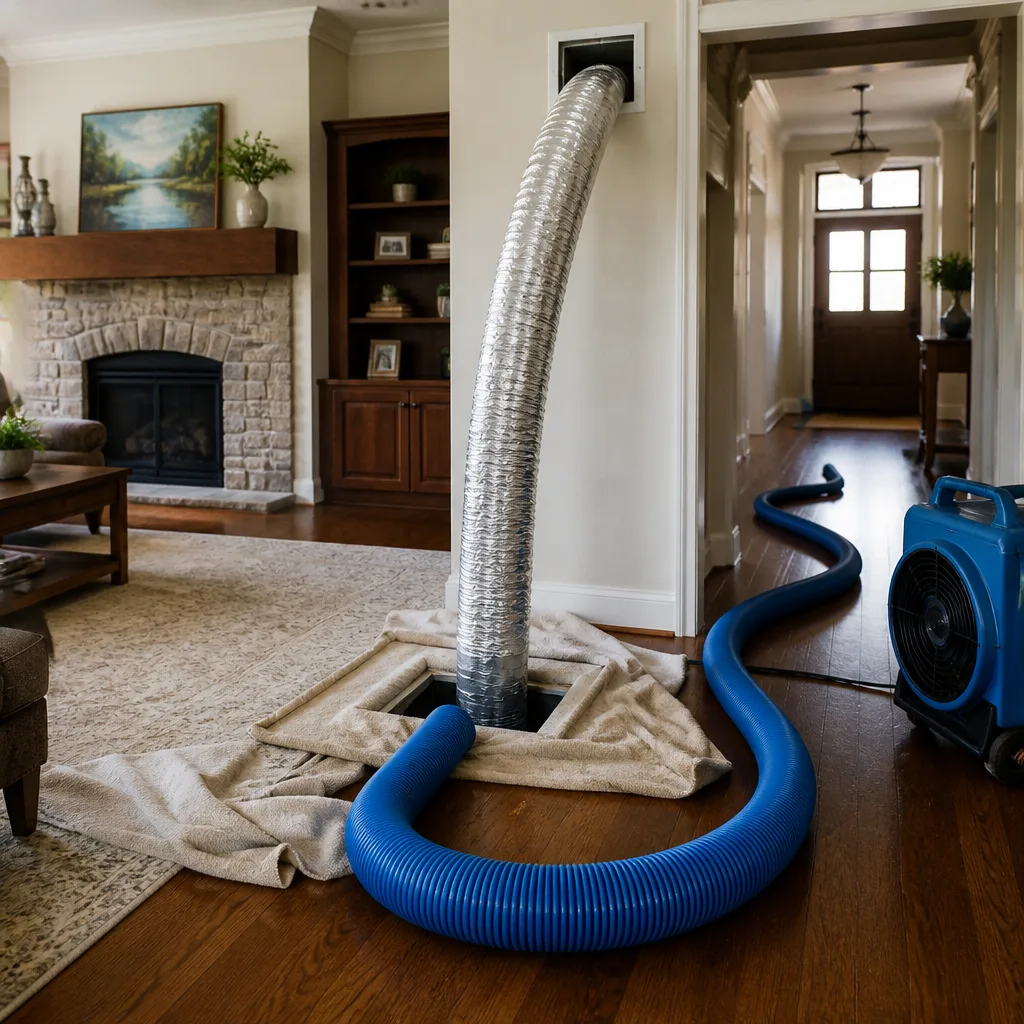 Whole-home duct cleaning
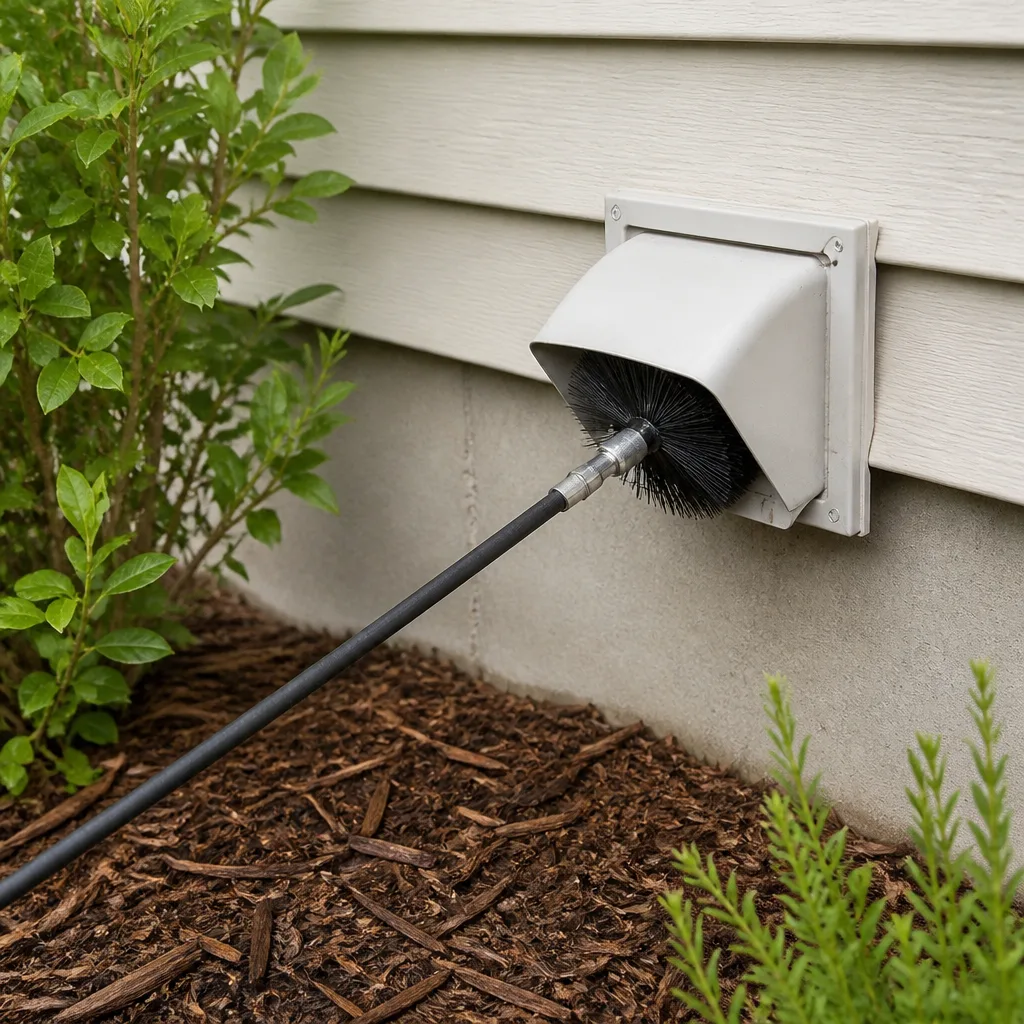 Dryer vent cleaning
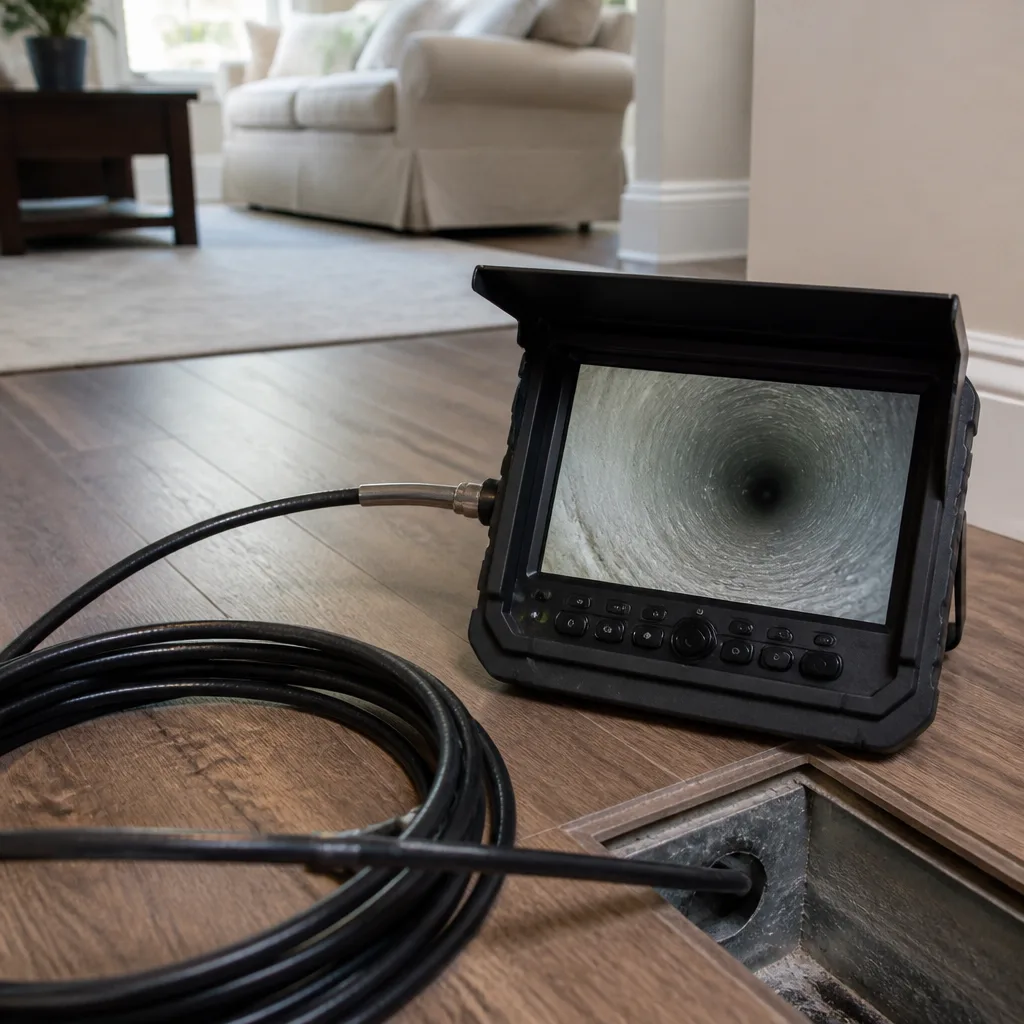 Camera inspection
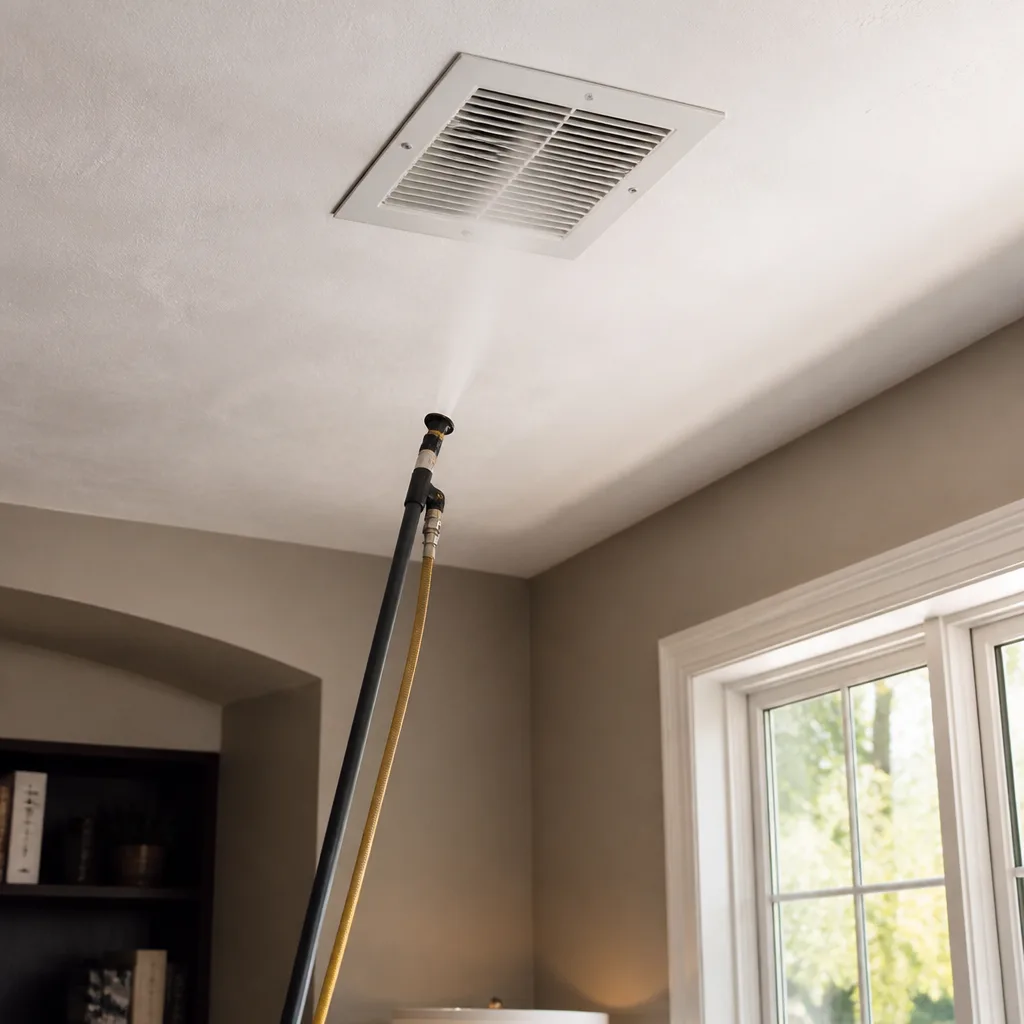 Sanitizing & deodorizing
Whole-system duct and dryer vent check with before-and-after photos - you see exactly what came out of your vents
That "$99 whole-house special" is a bait ad - the real number appears once they are in your hallway, or the "clean" is a shop-vac at the register. We photograph the inside of your ducts before and after instead.
DIY vs Professional Air Duct Cleaning: The Allen Homeowner’s Decision Guide
Most homeowners in Allen who decide to clean their own ducts end up cleaning about one-tenth of the system and calling it done. That’s not laziness. It’s physics. A shop vac and a vent brush can reach the register grilles and the first few feet of branch line, but the trunk lines, the plenum above the air handler, and the evaporator coil cabinet stay sealed behind sheet metal that consumer tools never touch. So the visible dust disappears, the air still smells faintly musty, and nobody’s sure whether the job actually helped. This guide draws a clear line: which duct tasks a homeowner can genuinely handle, which ones need contractor-grade equipment, and how to tell the difference before you spend a dollar in either direction. If you’re weighing DIY against hiring a pro in Allen, you’ll finish this page with a specific decision, not a vague feeling.
Quick Answer
DIY air duct cleaning is worth doing only for the surfaces you can physically reach without opening the duct system: register grilles, the filter housing, and the lint trap in your dryer vent. Anything past the first few feet of branch duct, and every inch of trunk line, plenum, and coil area, needs negative air pressure containment and rotary brushing equipment that consumer tools can’t replicate. If you can see dust blowing from a supply register, if anyone in the house has developed new allergy symptoms, or if your ducts haven’t been looked at in years, a professional inspection comes first and cleaning follows.
Styles & brands we work with
- Whole-home duct cleaning
- Dryer vent cleaning
- Camera inspection
- Sanitizing & deodorizing
Table of Contents
- The 8% Reality: What a Shop Vac Can Actually Reach
- The Three Duct Tasks a Homeowner Can Do Well
- Why DIY Brushing Redistributes Debris Instead of Removing It
- What Professional Equipment Looks Like and How to Verify It’s on the Truck
- When DIY Is the Right Call in Allen
- The Cost-Benefit Math: When the Gap Isn’t Worth Crossing
- Dryer Vents: The One DIY Task That Can Turn Dangerous
- Common Mistakes to Avoid
- When to Call a Professional
- Frequently Asked Questions
- The Bottom Line
The 8% Reality: What a Shop Vac Can Actually Reach
Picture a typical Allen home with a central air system. There are supply and return registers throughout the house, each feeding into a branch line that connects to a larger trunk. The trunk connects to the air handler plenum, which wraps the coil and the blower cabinet. The return side pulls air back through the same structure in reverse. Add up the square footage of every interior duct surface, and the register grilles plus the reachable first few feet of each branch line add up to a fraction of the total. The rest is the trunk, the plenum, and the coil face.
A residential shop vac has enough airflow to lift loose dust from flat surfaces within a few inches of its hose. A duct system’s trunk lines run thirty, forty feet or more across your attic or crawl space. The dust clings to galvanized sheet metal, flexible duct lining, and the interior of the return chase. Even a strong shop vac, pushed into a register opening, pulls against air pressure it can’t overcome. It creates some movement at the opening and almost nothing thirty feet away.
This is why a homeowner who spends an afternoon vacuuming registers will sometimes notice an improvement and then find the same musty smell back within a few weeks. The source was never in the register. It was in the trunk, the plenum, or the transition collar behind the grille where dust has been accumulating since the home was built.
A note specific to Allen: our spring pollen season is genuinely heavy, and homes sit close together with mature landscaping. That pollen load finds its way into return air, collects on the coil face, and stays moist during the cooling season. Nobody with a shop vac gets that off.
What “8%” Means in Practice
- Register grilles: fully reachable, easy to clean
- First 2-4 feet of each branch line: partially reachable with a flexible brush
- Filter housing interior: reachable on most systems
- Trunk lines: not reachable without opening the system
- Plenum and coil cabinet: not reachable without tools most homeowners don’t own
- Return chase: usually sheet-metal enclosed, sealed off
The Three Duct Tasks a Homeowner Can Do Well
If you own a shop vac, a soft brush attachment, and basic hand tools, three tasks are genuinely within reach and worth doing on your own schedule.
- Register grille cleaning. Pop the grille off, wash it in the sink or outside with a hose, dry it fully, and reinstall. This is the single highest-value DIY task because the grille is the surface dust hits first and the one you actually see. Do this every few months during allergy season.
- Filter housing wipe-down. Turn off the system at the thermostat, remove the filter, and wipe the interior of the filter slot and housing with a damp cloth. Dust accumulates here and gets pulled back into the airstream. Replace the filter at the same time, and take note of the MERV rating your system is rated for.
- Dryer vent lint trap clearing. After every load, remove lint from the trap. Once a month, pull the trap and vacuum the cavity behind it with a crevice tool. This is the task most often skipped and the one that matters most for fire safety. The long duct run between the trap and the exterior vent is where it gets serious, and we cover that below.
These three tasks together take maybe twenty minutes every few months. They improve indoor air quality noticeably. They do not clean your ducts, and no hardware-store tool will get you past this point safely or effectively.
Why DIY Brushing Redistributes Debris Instead of Removing It
Here’s the part most DIY duct cleaning videos on the internet skip. When you push a brush into a duct without a vacuum pulling from the other end, you loosen dust and then leave it in place. Airflow through the duct, once the system runs again, picks up some of that loosened material and carries it into the rooms. The rest redeposits further down the line, in the plenum, or on the coil face. You’ve moved the problem, not solved it.
Professional duct cleaning solves this with negative air pressure. A large vacuum unit connects to the main trunk line, seals around an access point, and pulls continuous airflow through the entire duct system in one direction while a technician works a rotary brush or air whip from the far end. The loosened debris only has one place to go: into the HEPA-filtered vacuum. Nothing crosses into the living space. Nothing redeposits.
We use Abatement Technologies equipment for negative air and containment work. That’s a category of tool specifically designed to prevent cross-contamination during remediation. Consumer equipment can’t produce the pressure differential needed to make this work, and you can’t buy a home version at any price that makes sense for a homeowner.
That said, we’ve seen plenty of duct systems in Allen where the real contaminant burden was much smaller than the homeowner feared. A clean register and a replaced filter solved the perceived problem. A technician looking at the system honestly will say so rather than sell a cleaning that isn’t needed.
What Professional Equipment Looks Like and How to Verify It’s on the Truck
You don’t need to be an HVAC technician to spot the difference between a professional duct cleaning setup and a shop vac with a hose extension taped on. Here’s a checklist we think every homeowner should walk through before hiring anyone.
- Look for a truck-mounted or large portable negative air vacuum with HEPA filtration. If the equipment arrives in the back of a car or a small van, ask what negative pressure the unit generates. A serious contractor answers this without hesitation.
- Ask about the rotary brush and air whip equipment. Two common professional brands are Rotobrush and Nikro. Both are recognized across the contracting industry as contractor-grade. If the answer to “what equipment do you use?” is “a big vacuum,” ask a follow-up.
- Ask whether they seal off the air handler. A proper cleaning isolates the coil and blower cabinet from the cleaning process so loosened debris can’t reach the equipment. If they don’t have a way to do this, they’re not doing a complete job.
- Ask for before-and-after photos of your own ducts. This is the single fastest way to know what happened. Any contractor confident in the equipment they brought will offer this without being asked.
- Ask about access panels. Real professional duct cleaning sometimes requires cutting small access holes in the duct or plenum so the brush and vacuum can reach the full run. Good contractors cut clean panels and reseal them properly.
If a contractor shows up with a consumer shop vac and a hand brush, the job you’re getting is a variation on DIY that costs more. The equipment matters as much as the person holding it, and it’s fair to check before the work starts.
We work with Rotobrush and Nikro systems because they’re the tools that get a job done correctly. We also work with Honeywell and Aprilaire air quality equipment when a home needs filtration upgrades or filter work done. Knowing the whole chain, not just the duct itself, separates a duct cleaning service from an indoor air quality service.
When DIY Is the Right Call in Allen
We want to be straightforward here: there are real scenarios where DIY duct work is the better choice for an Allen homeowner. Here’s when we’d tell a neighbor to handle it themselves.
- You just moved into a new-construction home in Allen. Drywall dust, sawdust, and construction debris accumulate during the build. If the builder’s punch list is done and you’re seeing dust blow from registers in the first weeks, register cleaning and a fresh filter usually solve it. A full duct cleaning can wait until the home is fully finished and the drywall dust has settled.
- The problem is small and specific. One register with visible dust. A slight musty smell that disappears after a filter change. These aren’t professional-duct-cleaning problems.
- You’re on a tight budget and the air seems fine. If there’s no odor, no visible dust blowing, no new allergy symptoms, and no reason to suspect a hidden problem, register cleaning and filter discipline will hold you for a long time. We’d rather a homeowner call us in three years for a real problem than call now because they felt pressured.
- You want to understand the system before you hire anyone. Doing the accessible tasks yourself first, and noting what you find, gives you a baseline. When you eventually call a contractor, you’ll know what you’re asking about.
That said, duct work in Allen homes is often not in the category of “minor maintenance” once symptoms appear. Allergy seasons here are serious, and with homes tightly sealed for summer cooling, indoor air quality gets tested hard every year. When you reach the point where you’re wondering whether the problem is in the ducts, it usually is.
The Cost-Benefit Math: When the Gap Isn’t Worth Crossing
Homeowners in Allen regularly do a version of this math: “If DIY costs me a Saturday and fifty dollars in supplies, and a professional job costs a few hundred, is the professional job really worth five times as much?”
The answer depends entirely on what the job is actually removing. When the problem is register dust, the answer is no. DIY wins. When the problem is years of accumulated debris in the trunk lines, return chase, and plenum, the answer is yes, clearly. A Saturday spent with a shop vac leaves the actual contaminant load untouched, and the homeowner is right back where they started when the smell returns in a month.
Here’s a framework we suggest to Allen homeowners:
- DIY makes financial sense when the total removed debris would fit in a bucket, when symptoms are cosmetic, and when nothing in the home has changed.
- Professional makes financial sense when there’s a real source of contamination, when symptoms are recurring, or when you need proof the work was done correctly.
- The in-between case is where a free estimate pays for itself. If a technician can’t show you a real problem, you’ve lost nothing. If they can, you now have information you didn’t have before, and the cost of the cleaning is weighed against the specific problem, not against a hypothetical one.
We can’t quote a universal price for air duct cleaning in Allen because every home is different: number of systems, number of registers, accessibility of the attic runs, condition of the ducts, and whether repair work is needed. That’s why the estimate is free and the price is set per system, per job, in writing before anything starts. What we can promise is that no per-register pricing games and no surprise add-ons are involved. One flat price for the system, agreed before the technicians begin.
Dryer Vents: The One DIY Task That Can Turn Dangerous
Everything we’ve said above about DIY duct work has been about trapped dust and air quality. Dryer vent cleaning is different. The lint that accumulates in a dryer vent is highly flammable, and a clogged vent is a documented leading cause of residential house fires. That’s the reason dryer vent cleaning sits alongside air duct cleaning as one of the three services we handle.
The parts of a dryer vent a homeowner can safely clean are the trap and the short section between the trap and the back of the dryer. Those are worth doing every month. What you should not do yourself is push a brush through the full length of the duct run, especially on longer vents or vents with multiple elbows. Pushing a brush from one end without being able to see what’s happening can pack lint tighter against a blockage, dislodge a duct connection, or damage the flexible transition piece. On roofs or exterior walls, the inspection part gets into ladder work that isn’t safe for most homeowners to do on a Saturday morning.
If your dryer takes more than one cycle to dry a load, if the exterior vent flap doesn’t open when the dryer is running, or if you can’t remember the last time the full vent was cleaned, that’s a professional job. The risk profile is different from an aesthetic duct problem, and it’s worth taking seriously.
Common Mistakes to Avoid
We’ve seen plenty of these across Allen, both from DIY attempts and from contractors who weren’t doing the work correctly. Here are the ones that come up most.
- Brushing a duct without a vacuum attached. Loosened debris has to go somewhere. Without negative pressure on the other end of the run, it goes into your living room air or further into the system. The result looks cleaner at the register and is not actually cleaner in the ducts.
- Skipping the filter housing entirely. The filter slot collects a surprising amount of dust that then gets pulled past the filter into the coil. Wipe it down at every filter change, not once a year.
- Assuming a cheap quote means cheap work. Sometimes it means a crew with a shop vac. Ask specifically what equipment is coming, and if the answer is vague, that tells you something. A legitimate professional contractor will name the equipment they use because they’re proud of it.
- Skipping the access panels. Some duct cleaners don’t cut access into the plenum. Without that access, they can’t reach the coil face or the deep trunk. If the contractor says no cutting is needed, ask how they plan to reach the full duct run.
- Forgetting the dryer vent because the ducts were done. Most homeowners treat duct cleaning and dryer vent cleaning as the same service. They aren’t. The dryer vent is a separate duct, has its own buildup, and carries a fire risk the HVAC ducts don’t.
- Cleaning right after a remodel. Drywall dust is fine and dense, and it settles. Wait for the dust to settle over a few days before cleaning, or the ducts will be contaminated again within a week. This matters with the volume of renovation happening in Allen neighborhoods.
- Cleaning instead of repairing. A duct with a disconnected joint, a crushed flex run, or a torn section is going to leak regardless of how clean it is. If the inspection shows damage, cleaning first and repairing later means the cleaned air is still getting contaminated through the leak. Fix the duct, then clean it.
When to Call a Professional
Call a professional for air duct work in Allen when any of the following is true: you can see dust or debris blowing out of supply registers when the system kicks on; anyone in the home has developed new allergy symptoms since moving in; the home is older and the ducts have no known cleaning history; you’ve had a renovation that generated significant dust; the dryer is taking longer than it used to dry a load; or you can hear or see a damaged duct joint in the attic.
Also call if you want an honest answer to whether cleaning is needed at all. Sometimes the answer is no. Sometimes it’s repair first, cleaning second. Our technicians have up to 14 years of experience across Allen homes, and they’ll tell you which case you’re in without inventing urgency. Duct Cleaning Allen offers free estimates, and the price is set per system in writing before any work begins. Call (866) 452-2744. We answer 24/7. Fast dispatch from 7am to 7pm, Sunday through Friday.
Frequently Asked Questions
Air duct cleaning in Allen typically runs a few hundred dollars for a standard single-system home, with the exact number driven by the number of registers, how many systems the house has, how accessible the attic runs are, and whether repair work is needed alongside the cleaning. We give one flat price per system, agreed in writing before any work begins, so you’ll know the number before the truck is on your street. Call (866) 452-2744 for an exact quote. Estimates are free.
Cheaper quotes usually mean less equipment or fewer steps in the process. A low number often reflects a crew with a consumer shop vac and a hand brush, no negative air containment, no access panels cut into the plenum, and no before-and-after documentation. That’s effectively a DIY job with a markup. Ask any contractor what equipment they’re bringing, whether they cut access panels, and whether they’ll photograph the inside of your ducts before and after. If they can’t answer all three, the price reflects the shortcut. Call (866) 452-2744 to compare our equipment and process against any other quote before you commit.
Ask for before-and-after photos of your own ducts. A contractor confident in the equipment and the completed job will show you the inside of your duct run before cleaning and after cleaning, usually with the same access points visible. If a company isn’t willing to photograph inside the ducts, they’re either not cleaning anything you can’t see or not confident it will hold up to inspection. Call (866) 452-2744 and we’ll walk you through the before-and-after process before scheduling.
Most Allen homes don’t need duct cleaning more often than every three to five years, and many can go longer if the filter is replaced on schedule and no contamination source has entered the system. Households with pets, recent renovations, or members with allergies may benefit from shorter intervals, but a legitimate contractor will tell you when it’s not time yet. There’s no benefit to cleaning ducts that aren’t dirty. Call (866) 452-2744 for a free estimate and an honest assessment of whether now is the right year.
You can clean the register grilles, wipe the filter housing, and clear the lint trap, and those three tasks are worth doing regularly. What you can’t do without professional equipment is clean the trunk lines, plenum, return chase, or coil area, which together make up the vast majority of the surface area inside your system. Pushing a brush further into a branch without negative pressure on the other end redistributes debris rather than removing it. Call (866) 452-2744 if you want to know exactly what a professional cleaning would involve for your home.
Dryer vent cleaning is a separate service, and in Allen it’s worth treating as its own item on your maintenance schedule because the fire risk it addresses is different from the air quality issues duct cleaning solves. The dryer vent carries lint through a long run behind the dryer and out the exterior wall or roof, and lint buildup there is a documented cause of house fires. If the exterior flap doesn’t open when the dryer is running or a load takes more than one cycle to dry, it’s time. Call (866) 452-2744 to schedule dryer vent cleaning alongside duct work, or on its own.
The Bottom Line
For Allen homeowners, the honest split on DIY vs professional air duct cleaning looks like this. Register cleaning, filter housing wipe-downs, and dryer lint trap clearing are legitimately DIY tasks and worth doing regularly. Everything past the first few feet of branch line, and all of the trunk line, plenum, and coil area, needs negative air containment and rotary brushing equipment that no hardware store sells. When the problem you’re chasing shows up as dust or odor blowing into the living space, it’s in the part you can’t reach. Get the estimate first, confirm what equipment is coming and whether access panels will be cut, ask for before-and-after photos of your own ducts, and hold the contractor to a single flat price agreed before work starts. That’s the standard we hold ourselves to at Duct Cleaning Allen, and it’s the standard we’d suggest any Allen homeowner apply to whoever they hire.
Contact
If you’ve read through this and you’re still not sure whether your home needs air duct cleaning or just a Saturday with a shop vac, that question is exactly what a free estimate is for. We’ll look at your system, tell you what we see, and give you one flat price per system if cleaning is warranted. If it isn’t, we’ll tell you that too. Reach out whether you’re in Allen or anywhere across the surrounding communities, and we’ll get you on the schedule. Call (866) 452-2744. We answer 24/7. Fast dispatch from 7am to 7pm, Sunday through Friday.
Written by the team at Duct Cleaning Allen.
See the difference
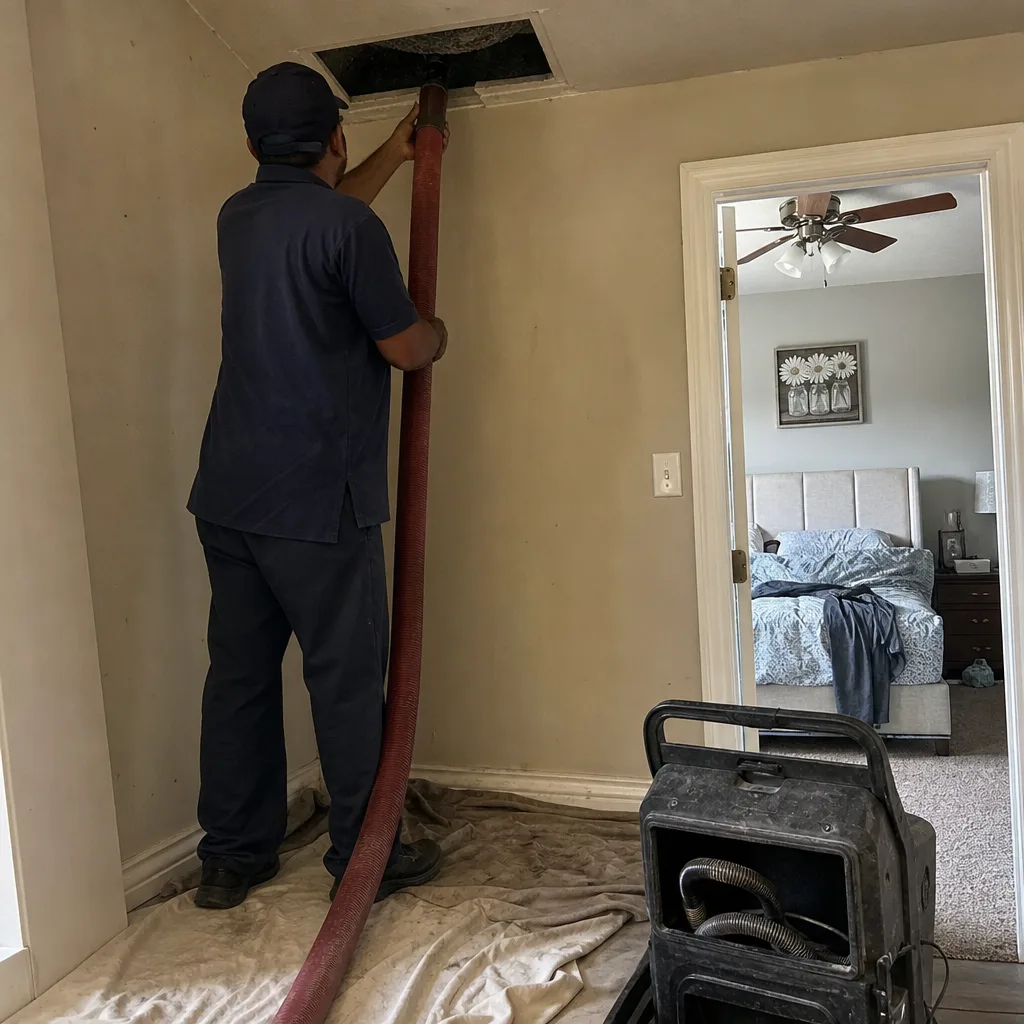 Before
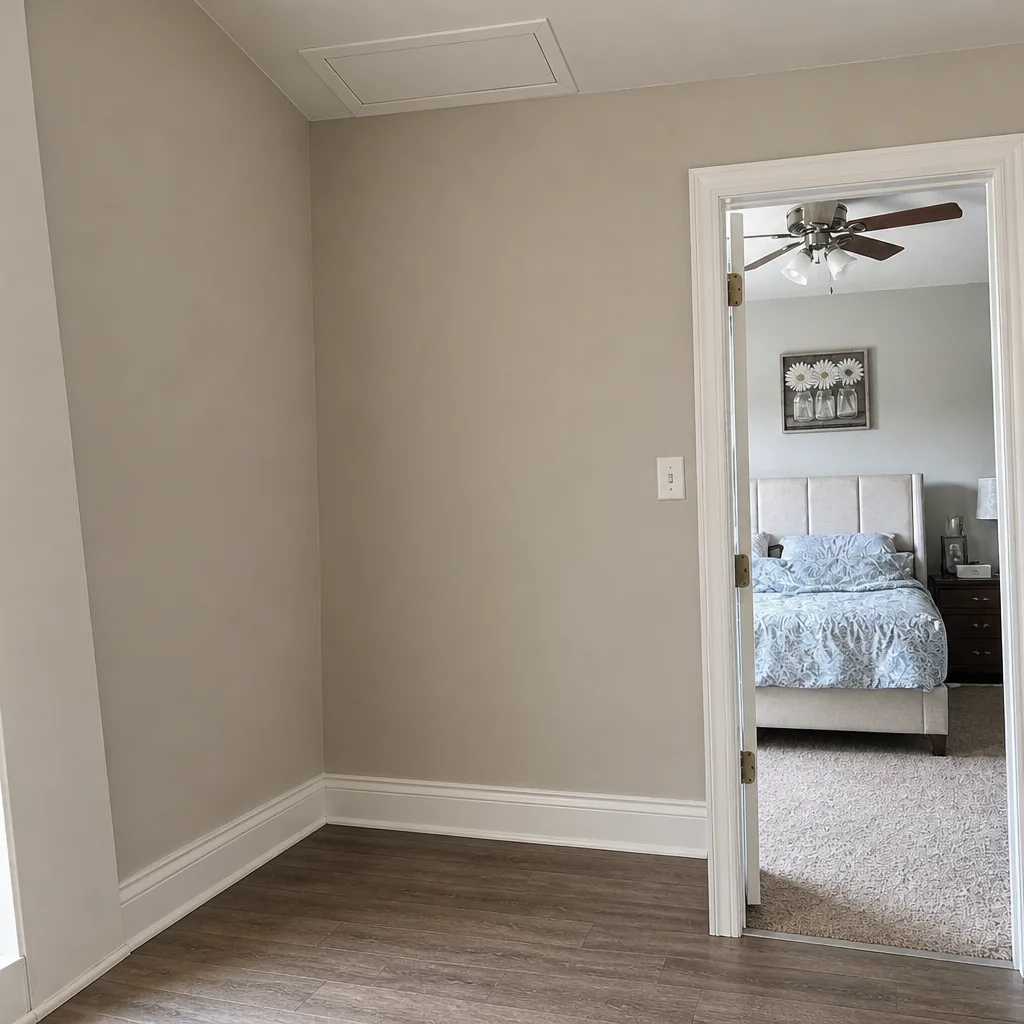 After
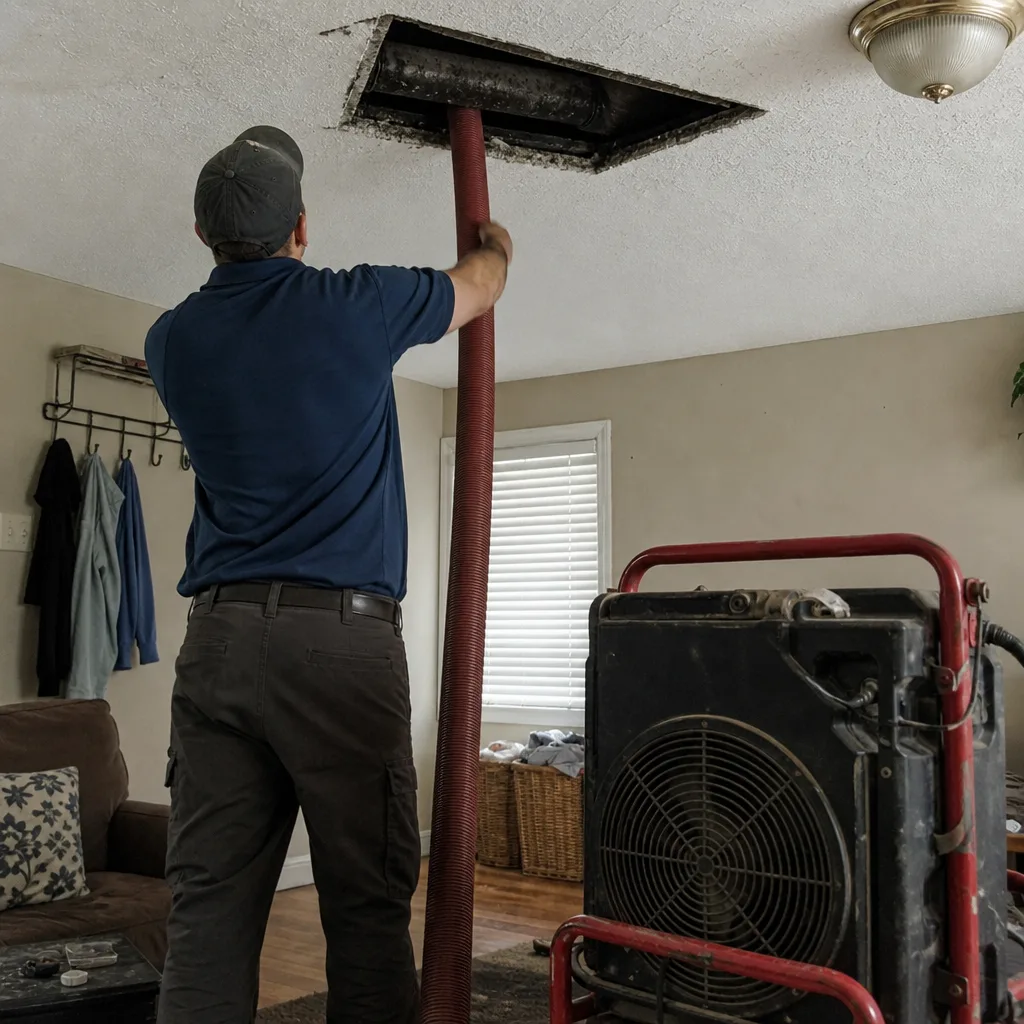 Before
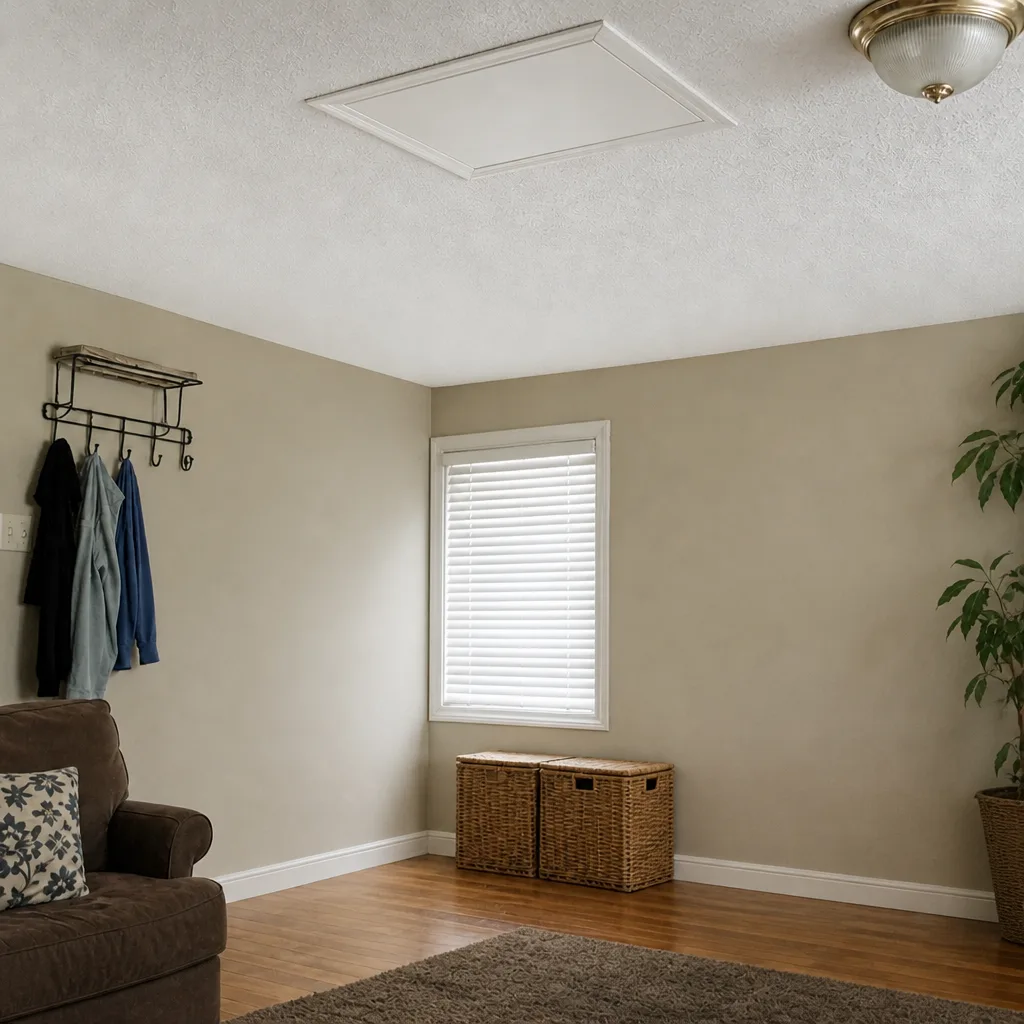 After
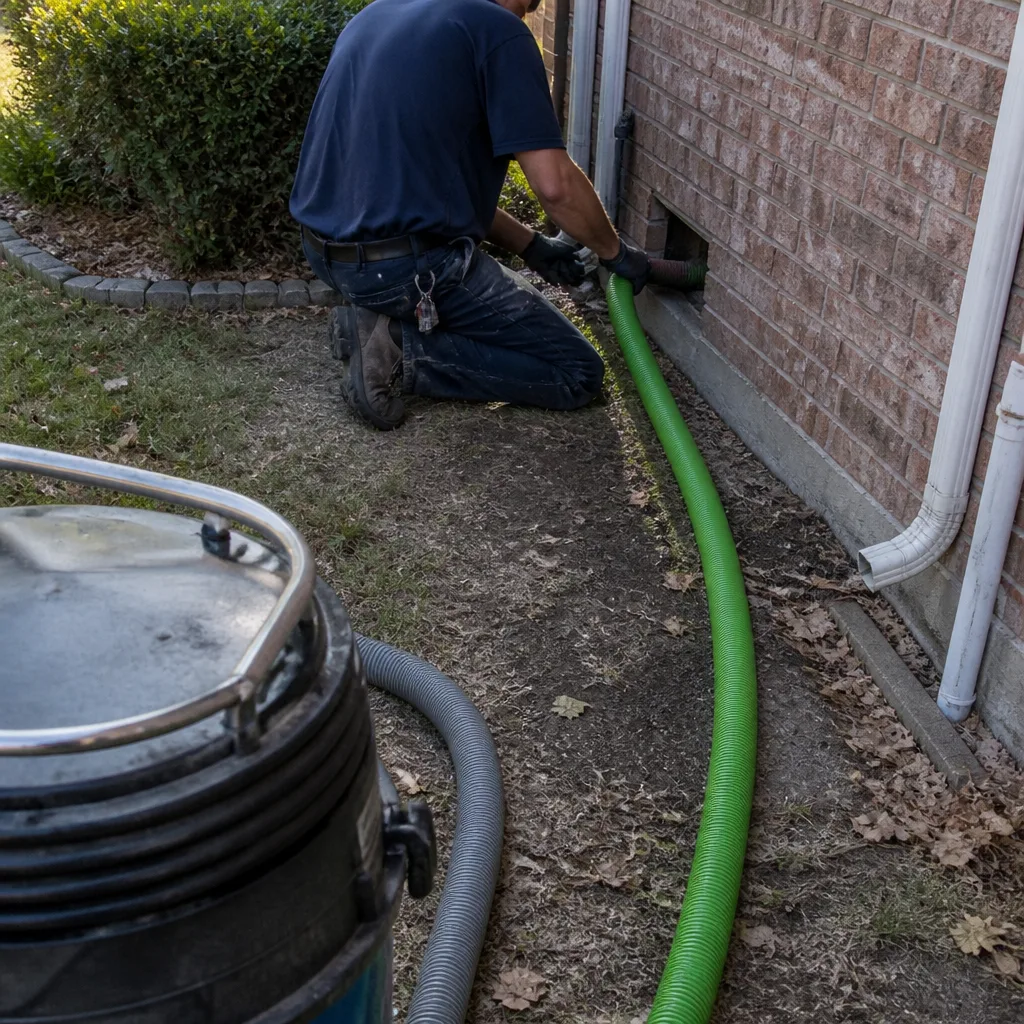 Before
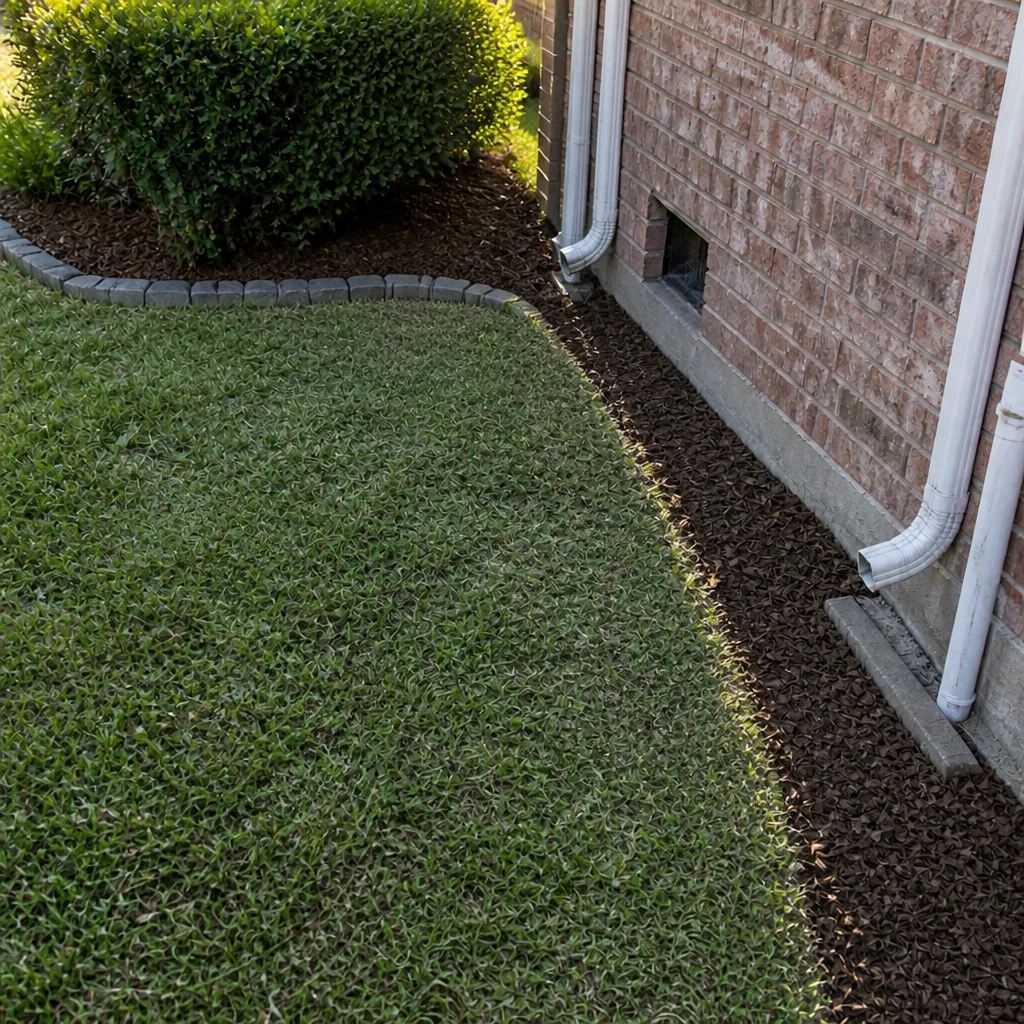 After