
Last updated November 15, 2026
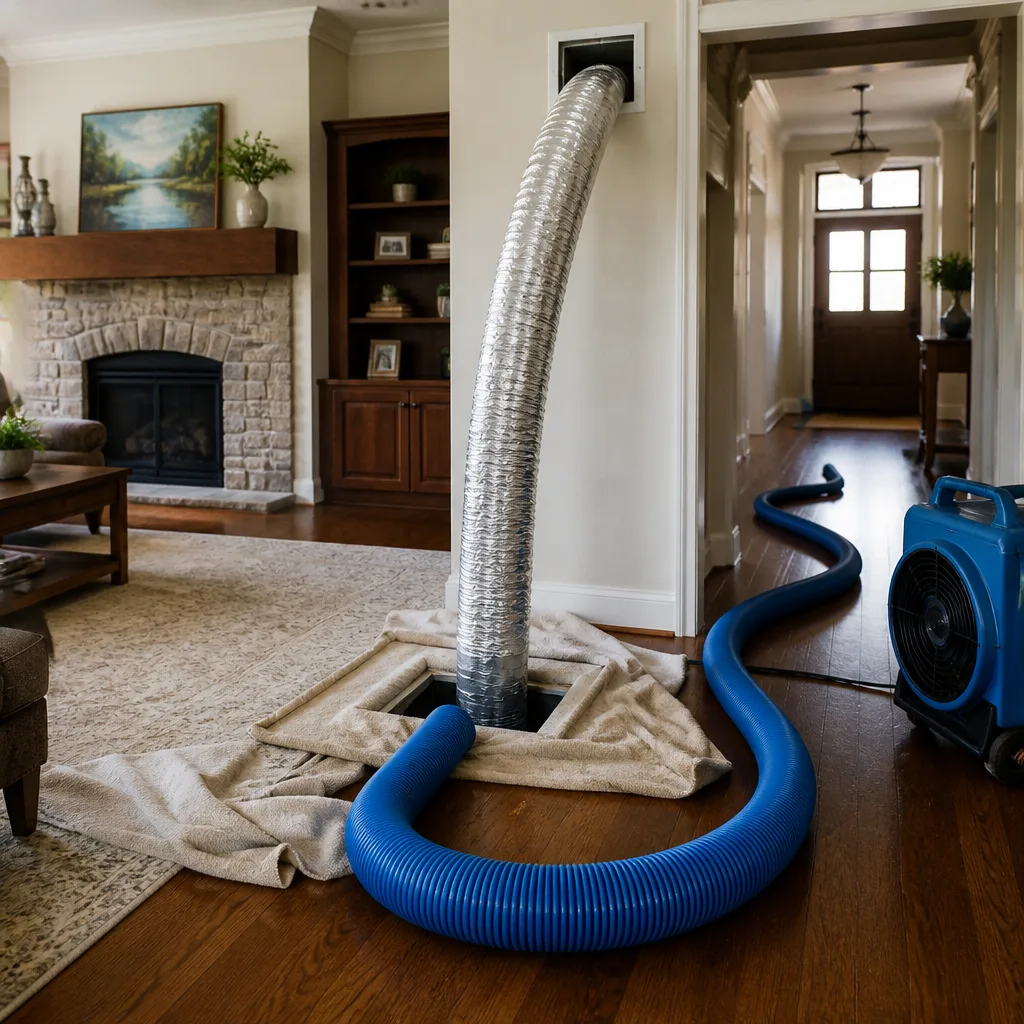 Whole-home duct cleaning
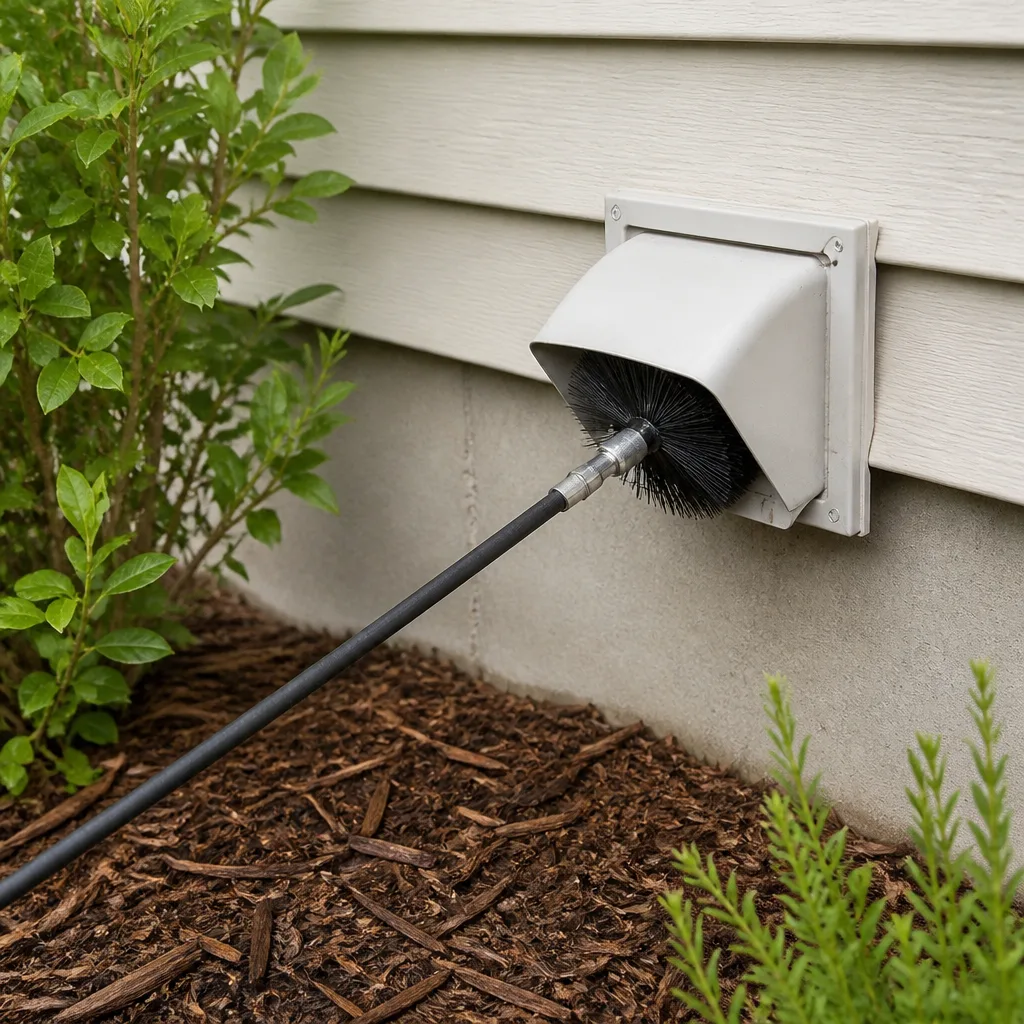 Dryer vent cleaning
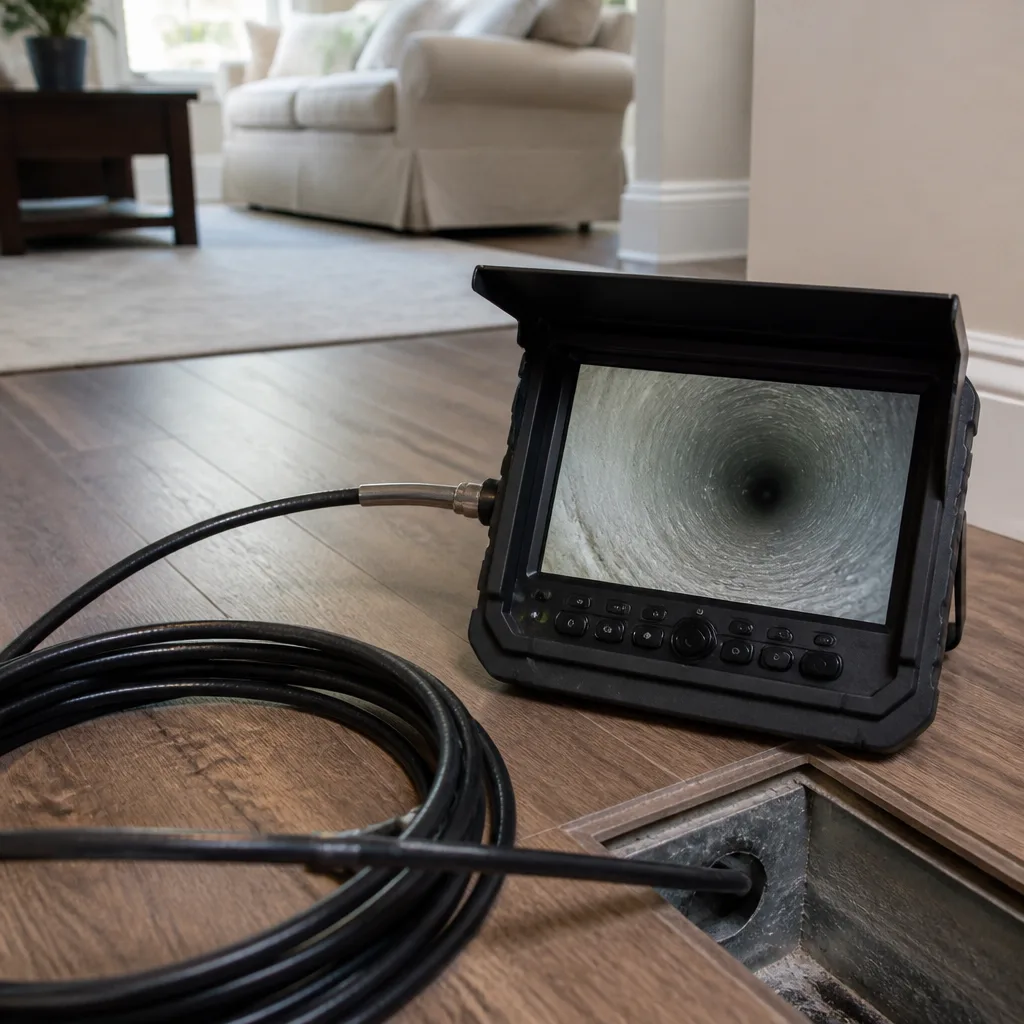 Camera inspection
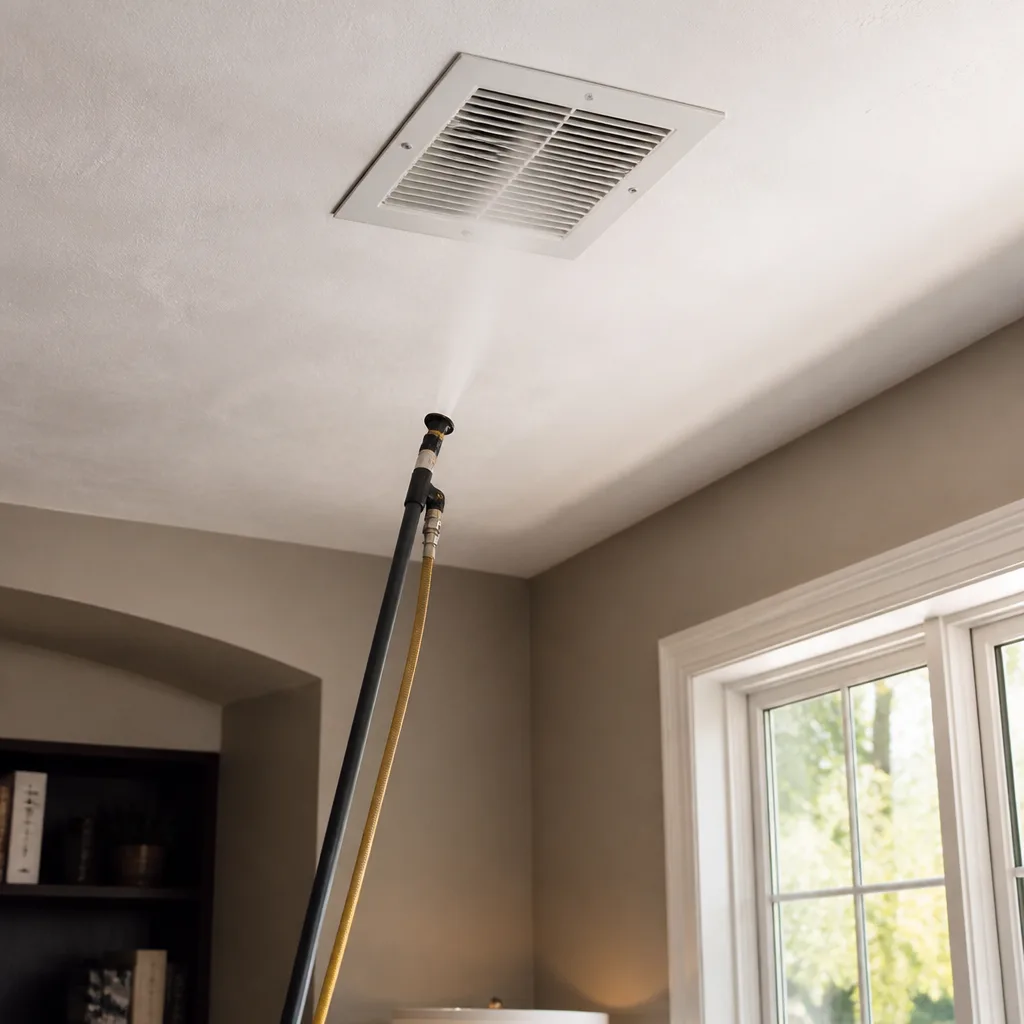 Sanitizing & deodorizing
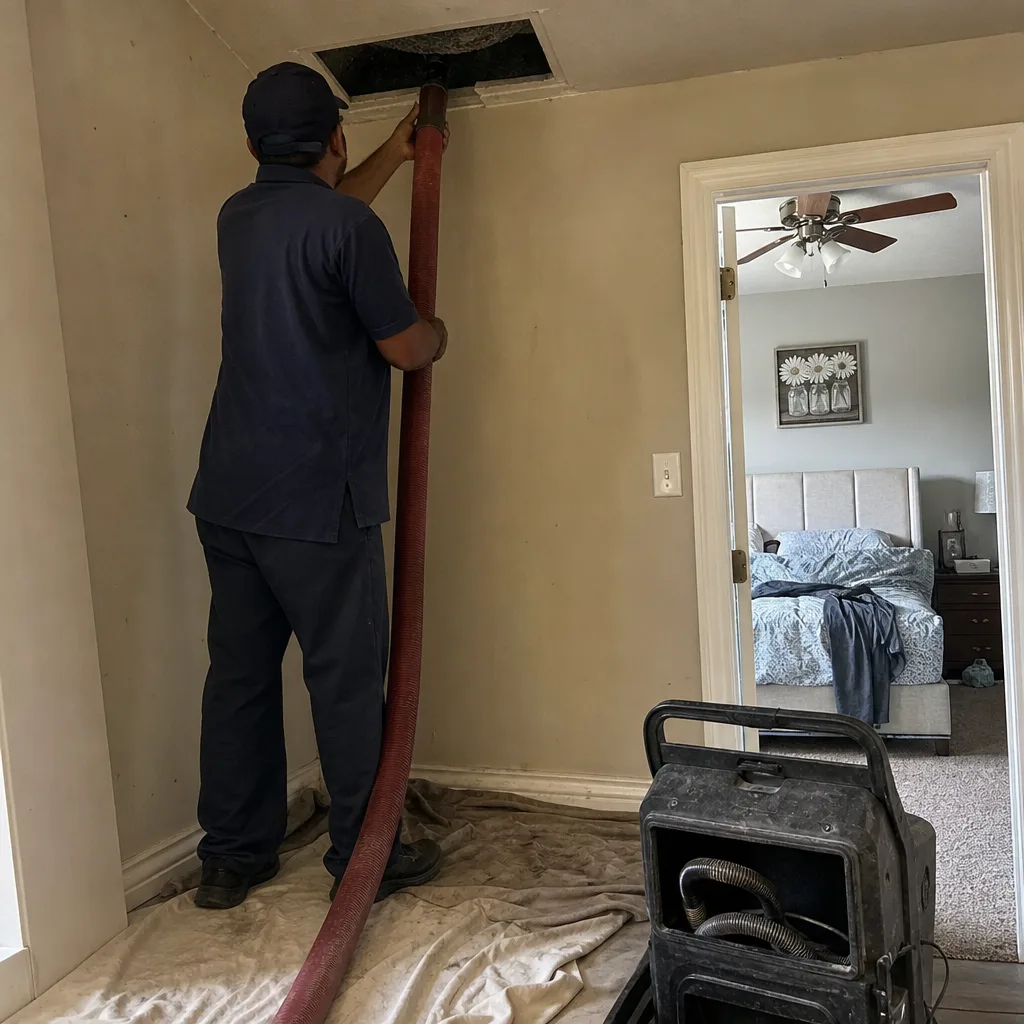
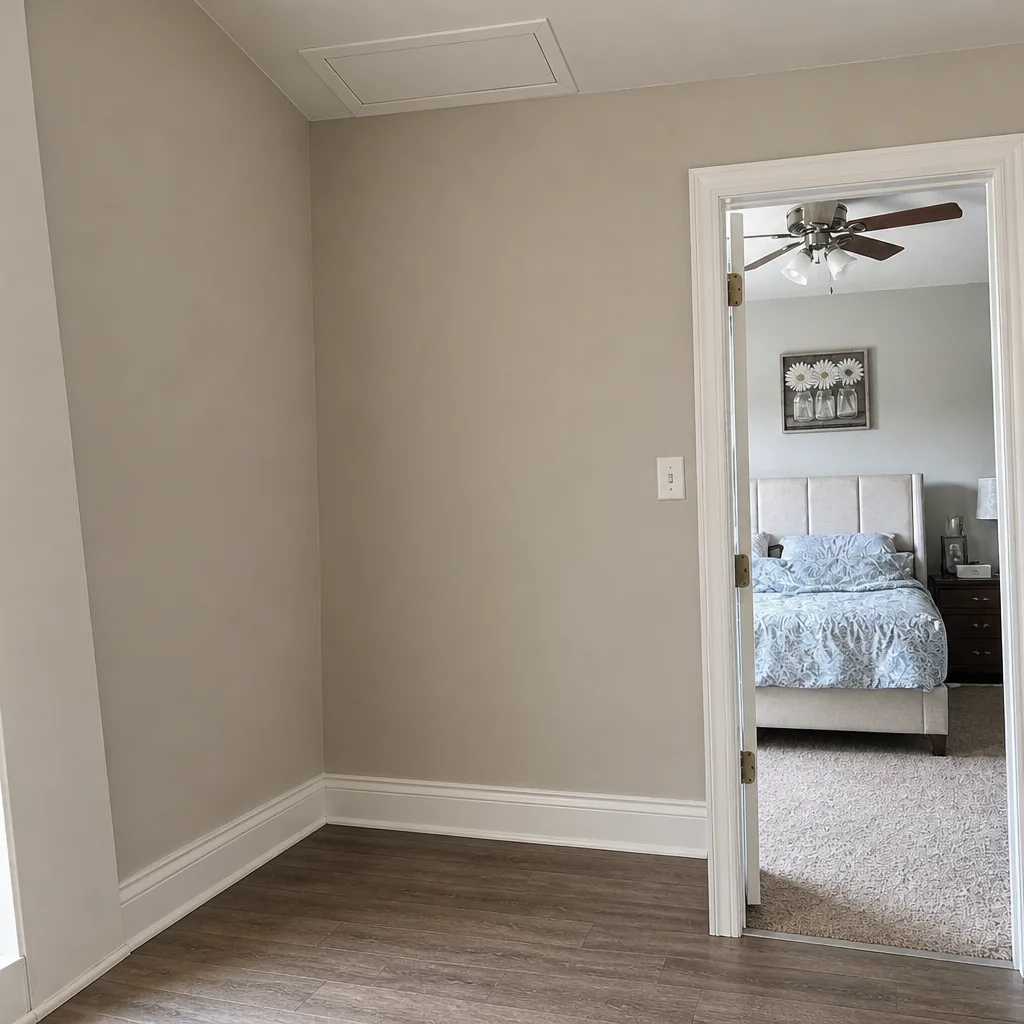
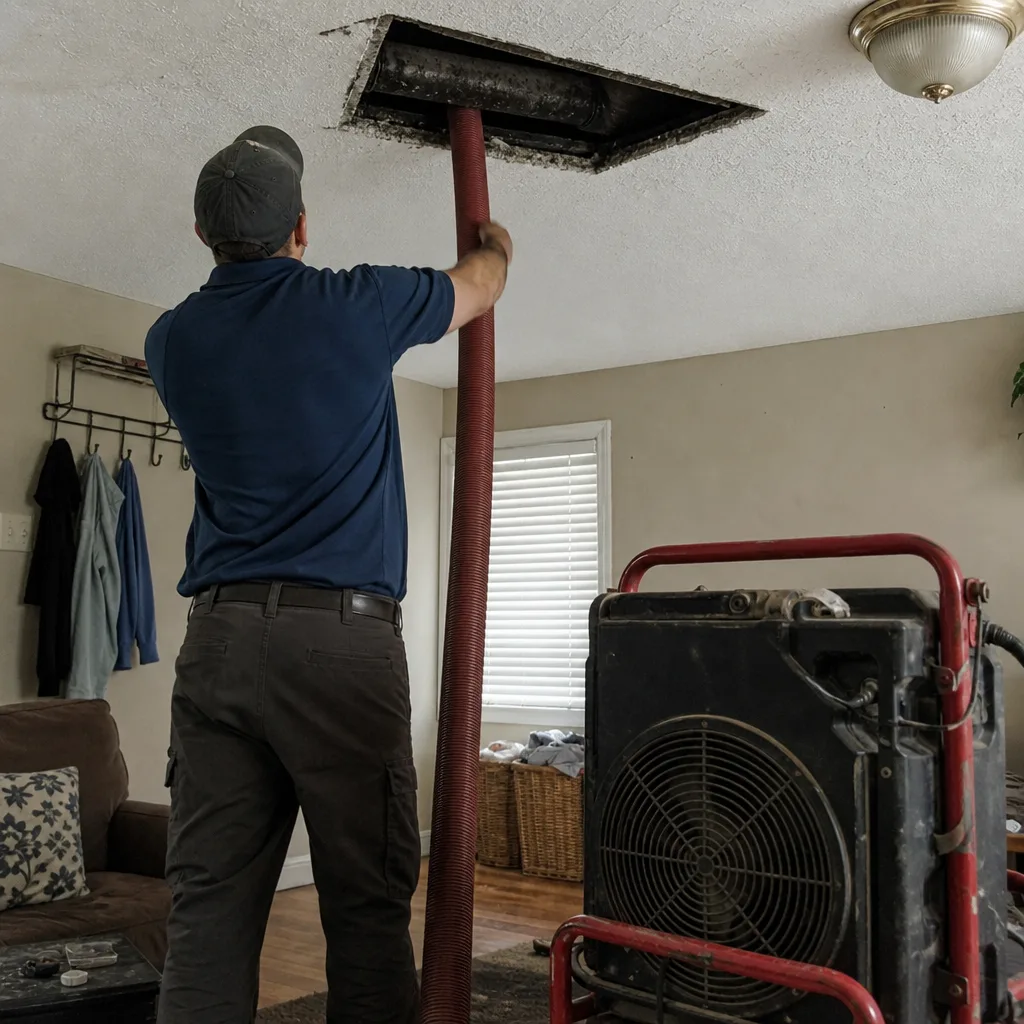
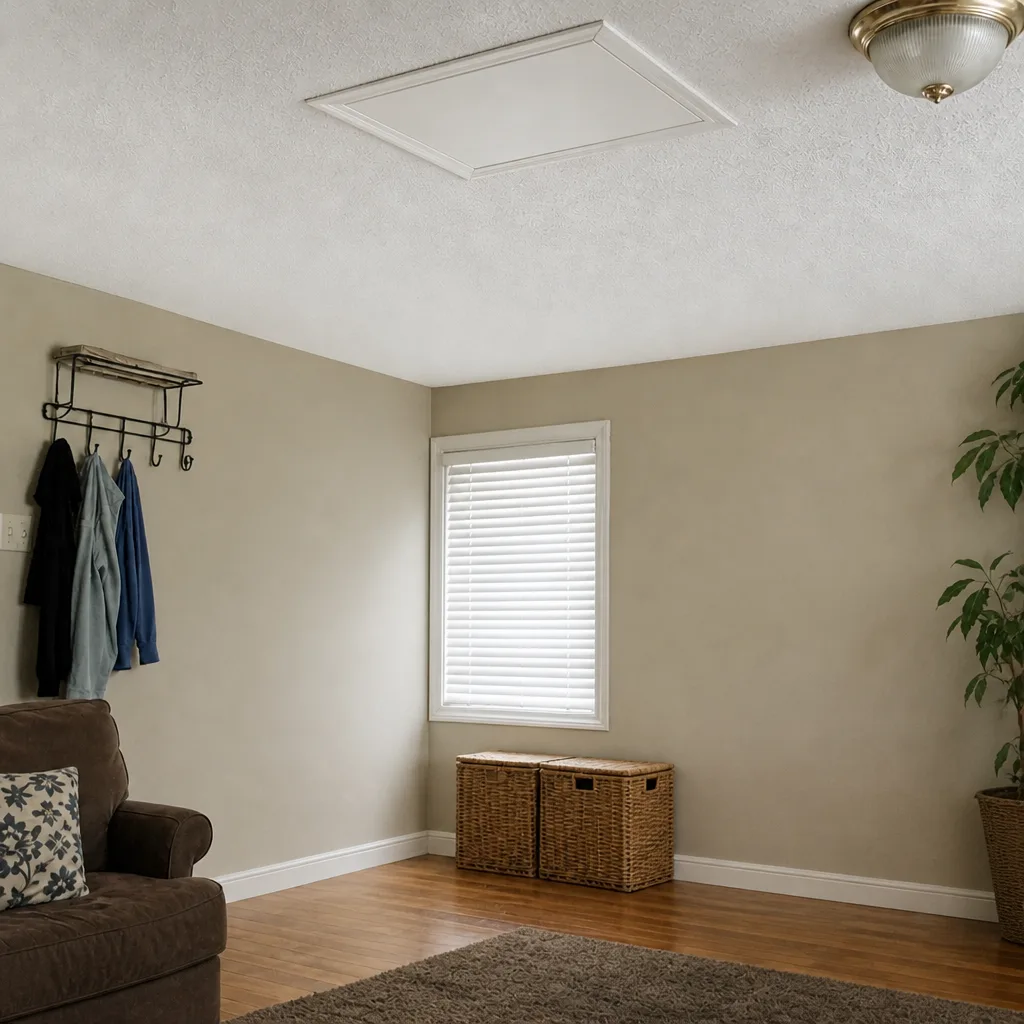
Whole-system duct and dryer vent check with before-and-after photos - you see exactly what came out of your vents
That "$99 whole-house special" is a bait ad - the real number appears once they are in your hallway, or the "clean" is a shop-vac at the register. We photograph the inside of your ducts before and after instead.
The Complete Guide to Air Duct Cleaning in Allen
Most duct cleaning companies in Allen sell the same service on the same schedule: once a year, every year, no questions asked. That’s a sales calendar, not maintenance. The EPA has never recommended routine annual duct cleaning, and the research it points to says cleaning is warranted when there’s an actual source of contamination, not because twelve months have passed. What most Allen homeowners actually need first is a diagnosis: someone who inspects the system, finds out what’s inside the ducts and why, and tells them plainly whether cleaning, repair, or nothing at all is the right answer. This guide walks through how to tell the difference, what a real inspection covers, and why Allen’s soil and construction patterns matter more here than the national averages you’ll read online.
Quick Answer
Air duct cleaning in Allen is worth doing when there’s visible contamination, a recent renovation, mold or pest activity, or a system that hasn’t been sealed properly. It is not a service that should be scheduled by the calendar. A proper job follows the NADCA source-removal standard, meaning the contamination is physically removed from the entire system, not just vacuumed off the visible surfaces. If a company can’t tell you which method they use and what they’ll inspect before quoting, that’s your signal to keep asking questions.
Styles & brands we work with
- Whole-home duct cleaning
- Dryer vent cleaning
- Camera inspection
- Sanitizing & deodorizing
Table of Contents
- When Air Duct Cleaning Is Actually Warranted
- Why Allen’s Soil and Construction Patterns Change the Picture
- Source Removal vs. Surface Vacuuming: How to Tell the Difference
- What a Technician Should Inspect Before Quoting
- Why Duct Material Changes the Cleaning Method Entirely
- Red Flags That Mean Cleaning Won’t Fix It
- Dryer Vent Cleaning: The Safety Conversation Most Companies Skip
- How to Choose a Duct Cleaning Company in Allen
When Air Duct Cleaning Is Actually Warranted
The honest answer is that most homes don’t need it on a fixed schedule. The EPA’s guidance on duct cleaning is deliberately cautious: no evidence supports routine cleaning as a health measure, but there are specific conditions where cleaning is clearly the right call. Those conditions are worth knowing, because they’re what a good technician is looking for during a walkthrough.
Cleaning is generally warranted when:
- There’s visible mold growth on duct surfaces or in the air handler components, as confirmed by inspection (not by a sales pitch).
- Rodents, insects, or other pests have been inside the ductwork.
- The ducts are clogged with dust and debris that’s being released into the living space through the registers.
- A recent renovation or new construction left drywall dust, sawdust, or construction debris in the system.
- Smoke, water damage, or a fire has affected the ductwork.
- A homeowner’s own observation: dust streaks around the registers, musty odors from the vents, or visible debris inside a return.
In Allen, the new-construction and renovation cases come up more than you’d expect. Collin County has been one of the fastest-growing areas in the country for years, and a lot of Allen homes have had kitchens remodeled, rooms added, or entire systems installed inside the last decade. Drywall dust migrates. It settles into the return trunks and the flex runs feeding the far bedrooms. That’s a real contamination source, and cleaning is the right fix.
What doesn’t justify a cleaning: the calendar. If the ducts are clean and the system is sealed, another cleaning is just money spent. If you’re in a home that’s under ten years old and you haven’t done major work, it’s entirely possible you don’t need anything more than an inspection. Our air duct cleaning service exists for the cases where cleaning is actually the answer, not for a subscription.
Why Allen’s Soil and Construction Patterns Change the Picture
National articles about duct cleaning assume a generic house on generic soil. Allen is not that. The local soil is heavy, expansive clay, the kind that swells after a rain and shrinks in the summer heat. That has a couple of consequences that show up in ductwork here more than in, say, the sandy-soil towns of East Texas.
First, foundation movement in clay-heavy soil is real. Small cracks open at slab penetrations and at the seams where ducts pass through the floor. Those gaps are not dramatic, but they let soil dust, foundation dust, and humid outside air into the system. The clay particles themselves are fine and sticky, and they cling to the inside of flex duct rather than being carried out through the filter.
Second, construction dust behaves differently here because of the pace of building. In a neighborhood where homes are still going up nearby, fine drywall and framing dust travels on the prevailing breeze and gets pulled into every return within a few hundred feet. If you live near an active build in Allen, your filter is doing more work than its rating suggests, and the return trunks can accumulate a visible layer of white powder that most homeowners assume is normal house dust.
The third factor is the mild winter. Because we don’t get extended freezes, the HVAC system runs less during the coldest months, and there’s no deep cold-snap period where windows stay shut for weeks. Homes here open up in winter more than northern homes do, and that changes the dust load. It also means there’s less moisture condensing inside the ducts from heating, which is the good news. The bad news is that the clay dust doesn’t wash away; it stays.
None of this means every Allen home has contaminated ducts. It means that when contamination shows up here, the composition is different from what you’d read in a national article, and the right response involves looking at the specific system, not applying a standard answer. If you want a walkthrough of what we typically find, our Allen page covers the local picture in more detail.
Source Removal vs. Surface Vacuuming: How to Tell the Difference
The industry has a standard, and it’s called source removal. The idea is straightforward: physical removal of the actual contamination from every part of the system, including the trunk lines, branch runs, registers, grilles, plenum, coils, and the air handler. It requires equipment that can agitate the dust off the duct walls and put the system under continuous negative pressure so nothing escapes into the living space. When companies advertise duct cleaning but skip source removal, you’re paying for a service that doesn’t meet the standard the industry set.
Surface vacuuming is what it sounds like: a vacuum attachment passed over the visible duct surfaces, usually from the register. It picks up the dust you can see and leaves the dust on the sides and underside of the duct wall alone. It’s fast, it’s cheap, and it photographs well for marketing. It doesn’t meet the standard, and it doesn’t fix a contamination problem.
How to tell which one a company is set up to do:
- Ask what equipment they use. Source removal requires an agitation tool (usually a rotary brush or air whip) and a high-powered vacuum with HEPA filtration. If the answer is “a shop vac,” that’s surface vacuuming. Our work uses professional-grade Rotobrush and Nikro equipment, which are contractor systems designed for source removal, not consumer vacuums.
- Ask whether they’ll open access points. Source removal requires cutting small access holes at the trunk and at key points in the system so the agitation tool can reach the duct interior. Those holes are sealed afterward. A company that only works through existing registers is doing surface vacuuming.
- Ask about negative pressure. Professional jobs use containment and negative air, often with equipment like Abatement Technologies units, to keep dust from blowing back into the house. That’s standard in remediation work and it should be standard in duct cleaning.
- Ask what gets cleaned besides the ducts. Source removal includes the blower, the evaporator coil, the drain pan, and the plenum. If the quote only mentions the ducts, the work is partial.
You can usually spot the difference in the estimate itself. A source-removal job takes hours, involves real equipment, and is priced as a whole-system service. A surface-vacuuming job is quick and priced low. Which brings up the next question homeowners here ask, which is what a fair price looks like.
What a Technician Should Inspect Before Quoting
A number without an inspection is a guess. That’s the single biggest difference between a real duct cleaning estimate and a marketing pitch. Before anyone quotes a price for cleaning, they should have looked at the system, and they should be able to tell you what they found.
Here’s what a proper pre-quote inspection covers:
- The air handler and blower compartment. Is the blower wheel caked with dust? Is the coil clean? Is the drain pan dry and clear?
- The filter and filter housing. Is the filter the right size and MERV rating for the system? Is the housing sealed, or is there bypass around it? A poorly fitting filter lets unfiltered air straight into the coil and then into the ducts.
- The main trunk line. A camera or a look inside the trunk tells you how deep the dust goes and whether it’s loose (cleanable) or baked on.
- The branch runs at the registers. What comes out when you tap the register boot? What does the flex duct look like where it connects?
- Seams, joints, and penetrations. Where is the system leaking? Any gap that lets air in is also letting dust and humidity in.
- Signs of moisture, pests, or previous cleaning. Old access holes, mold staining, or rodent evidence all change the plan.
- The dryer vent, if applicable. A dryer vent is a separate system with its own safety concerns, and it deserves a look while the technician is already on site.
If a company quotes a number over the phone without asking any of this, they’re pricing a category, not a job. That’s fine if you know what you’re buying, but it’s not a diagnosis. Ours starts with the walkthrough, and the written estimate you get afterward is based on what the technician actually saw.
Why Duct Material Changes the Cleaning Method Entirely
You can’t clean all ducts the same way, and any company that claims otherwise is showing you something important about how they work. Allen homes have three main duct types, and each one needs a different approach.
Flexible duct (flex). Corrugated, plastic-lined, and common in newer construction and in attic retrofits. Flex duct can be cleaned, but aggressively brushing it can damage the inner liner. The right approach uses lower-pressure air agitation and careful rotary tools, and if the liner is torn or the duct is collapsed, the answer is replacement, not cleaning. Flex duct also traps dust in the corrugations more than people expect, which is why the agitation step matters.
Sheet metal duct. Rigid, smooth, and the most forgiving to clean. Source removal with a rotary brush works well, and the surface can be brought back to bare metal. Sheet metal is also the easiest to repair and seal, and it holds up to repeated cleanings over the life of the home.
Fiberboard duct. Made of compressed fiberglass, common in some older construction and in certain interior duct runs. Fiberboard is genuinely porous, and once contamination gets into the board itself, cleaning can only do so much. If the contamination is on the surface, cleaning works. If it’s soaked in, replacement of that section is usually the honest recommendation. A company that promises to “clean” saturated fiberboard is either not looking closely or not being straight with you.
In Allen, a lot of homes have a mix. The trunk might be sheet metal while the branches are flex. A cleaning plan that treats the whole system as one material will either over-clean the flex (damaging it) or under-clean the sheet metal (leaving dust behind). If you want a full breakdown of how we approach each system, our guide to air duct cleaning covers the process in more detail.
Red Flags That Mean Cleaning Won’t Fix It
Sometimes cleaning a duct system that needs repair is like vacuuming a room with the windows open. You’re addressing a symptom while the actual problem keeps feeding new dust in. Part of our job during the inspection is telling you when cleaning isn’t the right spend, which is why we offer air duct repair as a separate service. Most companies clean. We also repair.
These are the signs a technician should be flagging:
- Visible gaps at seams and joints. Duct leakage pulls attic or crawlspace air into the system. Cleaning seals the inside of the ducts; it doesn’t close the leaks. A sealed system stays clean for years longer.
- Disconnected or collapsed flex runs. If a branch run has separated from its boot or been crushed by a joist, no amount of cleaning reaches the dead section. The fix is repair or replacement.
- Crushed or kinked duct in the attic or crawlspace. Common in retrofits. The run may be blocked or restricted, and air flow suffers as much as air quality.
- Water staining or mold at the plenum or coil. This usually means a moisture problem upstream, not a dust problem in the ducts. Cleaning without fixing the source leads to mold coming back.
- Rodent damage to flex duct. Squirrels and rats chew flex, and a chewed run is a leak, an air quality problem, and a safety problem all at once.
- Inadequate return air. If the system is starved for return air, it will pull from wherever it can, including wall cavities. That’s a duct design problem, not a cleaning problem.
A good rule of thumb: if the ducts are contaminated because of a leak, the leak comes first. Clean and seal together, and the result holds. Clean without sealing and you’ll be doing the same work again within a few years.
Dryer Vent Cleaning: The Safety Conversation Most Companies Skip
Duct cleaning and dryer vent cleaning get lumped together in marketing, but they’re different jobs with different stakes. A dirty duct hurts air quality and system efficiency. A dirty dryer vent is a fire risk. Lint is highly combustible, and dryer vents are one of the leading causes of residential fires in the U.S. That’s not a comfort issue, and it deserves its own line item on any home safety checklist.
What dryer vent cleaning actually involves:
- Disconnecting the dryer from the vent so the technician can access the full run.
- Running a rotary brush and vacuum through the vent line from the dryer side and, where possible, from the exterior termination.
- Inspecting the exterior termination and the vent flap to make sure it’s clear and working. A stuck flap or a screened termination can trap lint.
- Checking the vent material. Rigid metal is the standard. Vinyl or foil flexible vent is a fire risk and should be replaced. If a technician finds vinyl, they should tell you.
- Reconnecting and testing airflow at the dryer side so you know the vent is clear.
If you can’t remember the last time your dryer vent was cleaned, or if your dryer has started taking noticeably longer to dry a load, those are good reasons to have it looked at. In Allen, this isn’t a seasonal thing; it’s a “when did you do it last” thing. For a fuller walkthrough, our dryer vent cleaning page covers the process and what to expect. If you want to know whether your dryer vent is a real problem, call us at (866) 452-2744 and we’ll come look.
How to Choose a Duct Cleaning Company in Allen
This is the section where we can’t tell you who to hire, only what to look for. Every company sounds similar in the ad, so the questions you ask are the ones that separate them.
Ask these before you book:
- “What equipment do you use?” Contractor-grade equipment (Rotobrush, Nikro, or equivalent) and containment equipment (Abatement Technologies or similar) is the honest answer. Consumer shop vacs are not.
- “Do you follow the NADCA source-removal standard?” They should know what that means. If the answer is vague, it’s probably a no.
- “Will you inspect before you quote?” A number without an inspection isn’t an estimate, it’s a sales tactic.
- “Are you doing the whole system, including the air handler, coil, and plenum?” If not, the ducts are the only thing getting cleaned, and the source might still be there.
- “Do you do duct repair as well as cleaning?” If a company can only clean, they’ll recommend cleaning even when a repair is what the system needs.
- “What happens after the cleaning if I still see dust?” The answer should be a re-inspection, not an argument.
- “Do you clean dryer vents too?” It’s a good sign of a company that treats the whole home air system as connected rather than selling one service in isolation.
Two more things. First, ask what the technicians’ experience looks like. Our technicians have up to 14 years of experience, and that matters most on the systems with unusual configurations, because those are the ones where careful work shows. Second, ask whether the company works with the air quality brands you already have in your home. Honeywell and Aprilaire filtration systems are common in Allen homes, and a company that works with those brands regularly understands how a cleaning interacts with the filtration side, not just the ducts. When the estimate comes back, you want it written, itemized, and based on what the technician saw in your house.
Common Mistakes to Avoid
- Scheduling by the calendar instead of the system. A yearly cleaning that isn’t based on an inspection is a subscription, not a service. Get a diagnosis first, then decide.
- Accepting a phone quote without an inspection. If nobody has looked at your ducts, the number is a placeholder. Insist on the walkthrough before you agree to a price.
- Assuming “duct cleaning” means the same thing everywhere. Surface vacuuming and source removal both get called “duct cleaning.” Ask about agitation tools, access holes, and containment before you book.
- Cleaning without sealing. Dust comes back fast if the seams leak. Clean and seal together, and you won’t be doing it twice.
- Ignoring the dryer vent. It’s the one part of the system where the failure mode is a fire, not a comfort issue. Get it checked on its own schedule.
- Skipping fiberboard inspections. Fiberboard ducts that have soaked up contamination can’t be cleaned back to bare material. If a company promises to, ask exactly how they’d verify the fix.
- Not asking about the air handler. Cleaning the ducts but not the coil leaves the dust source upstream. The blower pulls air through the coil first, and a dirty coil keeps seeding the ducts.
See the difference
 Before
 After
 Before
 After
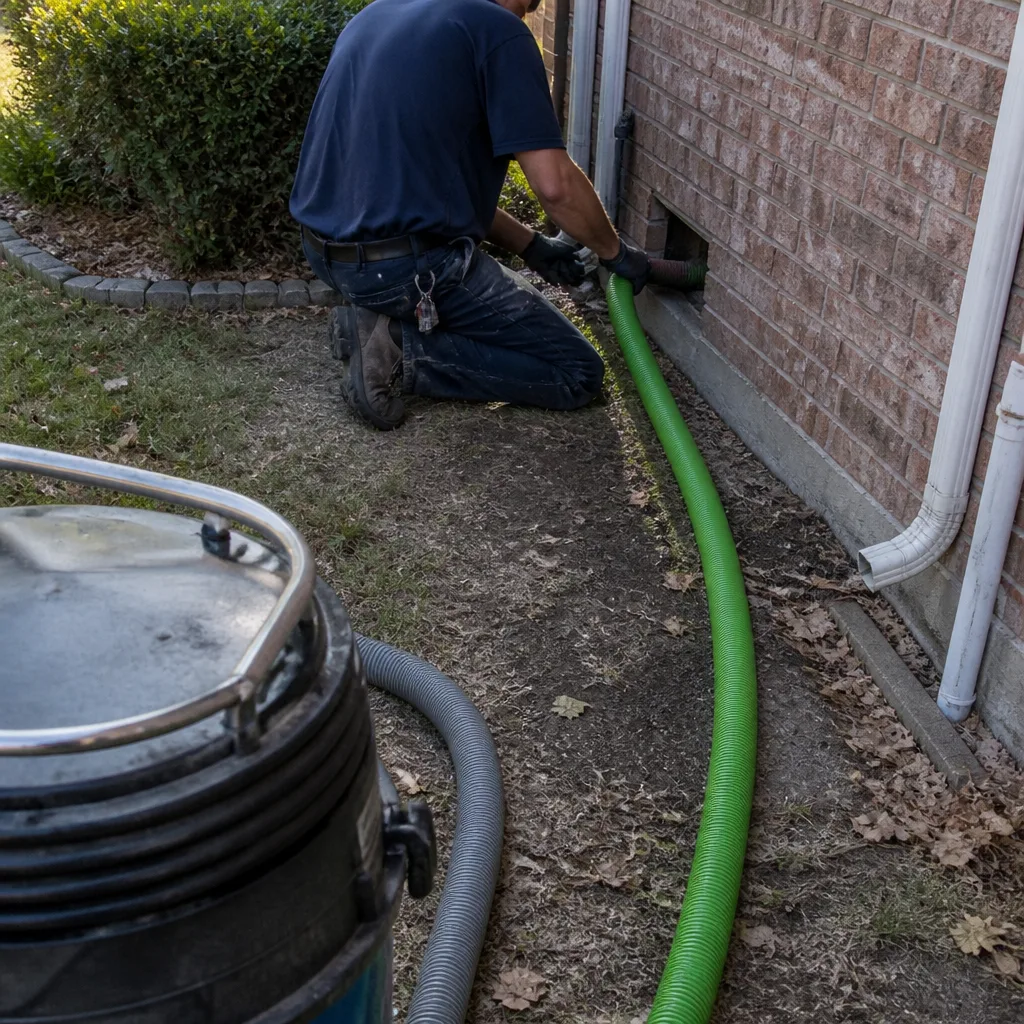 Before
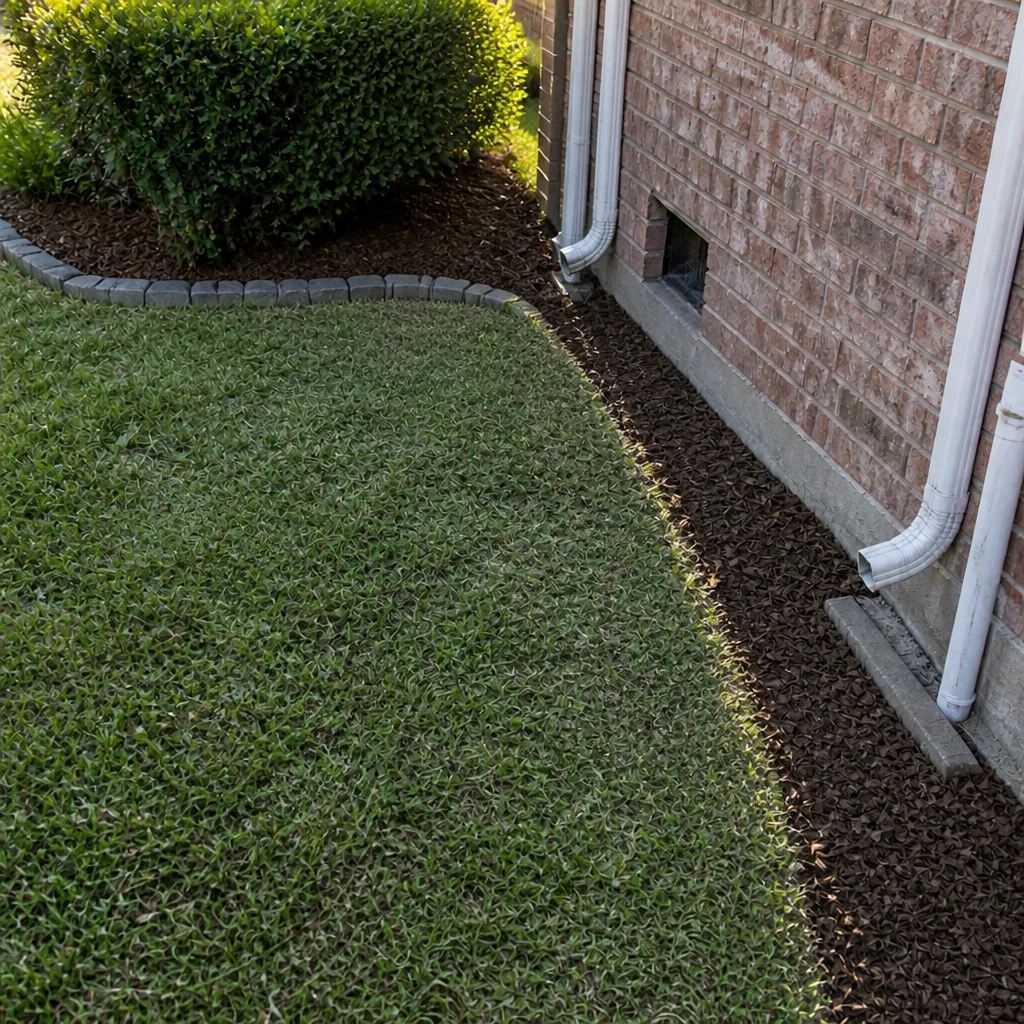 After
When to Call a Professional
Some signs warrant a call, some are more of a “wait and see.” Call a professional when there’s visible mold in or around the vents, when pests have been inside the ductwork, after a renovation or new construction, or when dust streaks keep appearing at the registers no matter how often you change the filter. If your dryer is taking longer to finish a load, or if you can’t remember the last time the vent was cleaned, that’s also a call. And any time you suspect a duct leak, a disconnected run, or moisture in the system, get it looked at before the problem gets bigger. Duct Cleaning Allen offers free estimates in Allen – call (866) 452-2744. We answer 24/7, with fast dispatch from 7am to 7pm, Sunday through Friday.
Frequently Asked Questions
The cost depends on the size of the system, the number of registers and returns, the duct material, and whether any repair is needed. Prices are per job, not per vent, and the written estimate you get after the inspection is the price we hold to. We don’t use coupon pricing that changes once the technician is on site. Call (866) 452-2744 and we’ll come out and quote the actual job.
There is no fixed schedule, and the EPA does not recommend routine annual cleaning as a general practice. Cleaning is warranted when there’s a specific reason: contamination, mold, pests, recent construction dust, or a moisture problem. For most Allen homes with sealed, well-maintained systems, inspection every few years is enough, and the inspection tells you whether cleaning is needed at all. Call (866) 452-2744 if you’re not sure where your system stands.
Source removal physically removes contamination from every part of the system under negative pressure, using agitation tools and a contractor-grade vacuum. Surface vacuuming cleans only what’s visible from the register and leaves the dust on the duct walls. The two are priced very differently, and the results are very different. Ask which one you’re getting before you book. Call (866) 452-2744 for a quote based on source removal.
Usually because they’re not doing the same job. A low quote often means surface vacuuming instead of source removal, no access holes, no coil or blower cleaning, and no containment. It’s a legitimate category of service; it just doesn’t fix a contamination problem. Our estimate is per job and based on what the technician actually finds, so the number you see reflects the work you’ll get. Call (866) 452-2744 for a written estimate.
Ask for before-and-after photos of your own ducts, not stock images. Ask what access points were opened and where. Ask whether the technician cleaned the coil, blower, and plenum, not just the ducts. A phone receptionist answering “what’s included” with specifics is a good sign; vague answers mean the work probably wasn’t itemized in the first place. Call (866) 452-2744 to book an inspection with photo documentation.
Yes, in a few specific ways. Allen’s heavy, expansive clay soil shifts with wet and dry cycles, and small gaps open at slab penetrations and seams as the soil moves. Those gaps let fine clay dust and foundation dust into the system, where it clings to flex duct corrugations. The mild winters also mean less heating cycle moisture, so the dust stays put rather than washing down; that’s the good news. The practical takeaway is that leakage matters more here than the national averages suggest, and clean-and-seal usually beats clean-alone. Call (866) 452-2744 if you want us to check your seams while we’re on site.
The Bottom Line
Duct cleaning in Allen should be a diagnosis followed by a service, not a service followed by a sales pitch. Most homes don’t need it on a schedule. The ones that do need it because of contamination, renovation dust, moisture, pests, or a leak that’s been letting dust into the system. A proper job follows the source-removal standard, includes the coil, blower, and plenum, and is done with contractor-grade equipment that actually reaches the duct interior. Where the ducts are leaking or damaged, repair has to come with cleaning or the problem comes back. If you’re not sure which category your home is in, the inspection is free, and it’s the only honest way to know.
Call (866) 452-2744 for a free estimate. We answer 24/7. Fast dispatch from 7am to 7pm, Sunday through Friday. Estimates are free, prices are per job and set by the written estimate, and we come with professional-grade equipment and the experience to know the difference between a cleaning and a repair.
Written by the team at Duct Cleaning Allen.