
Last updated November 15, 2026
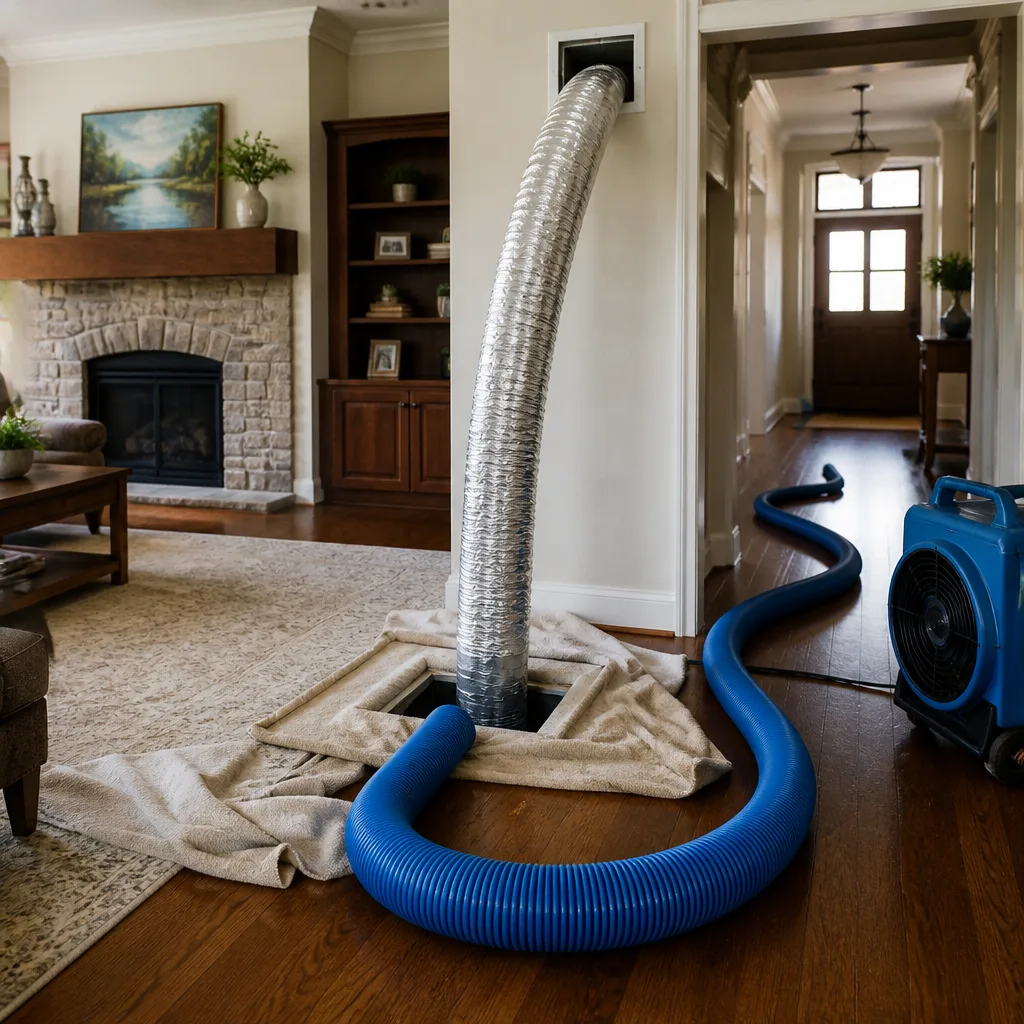 Whole-home duct cleaning
 Dryer vent cleaning
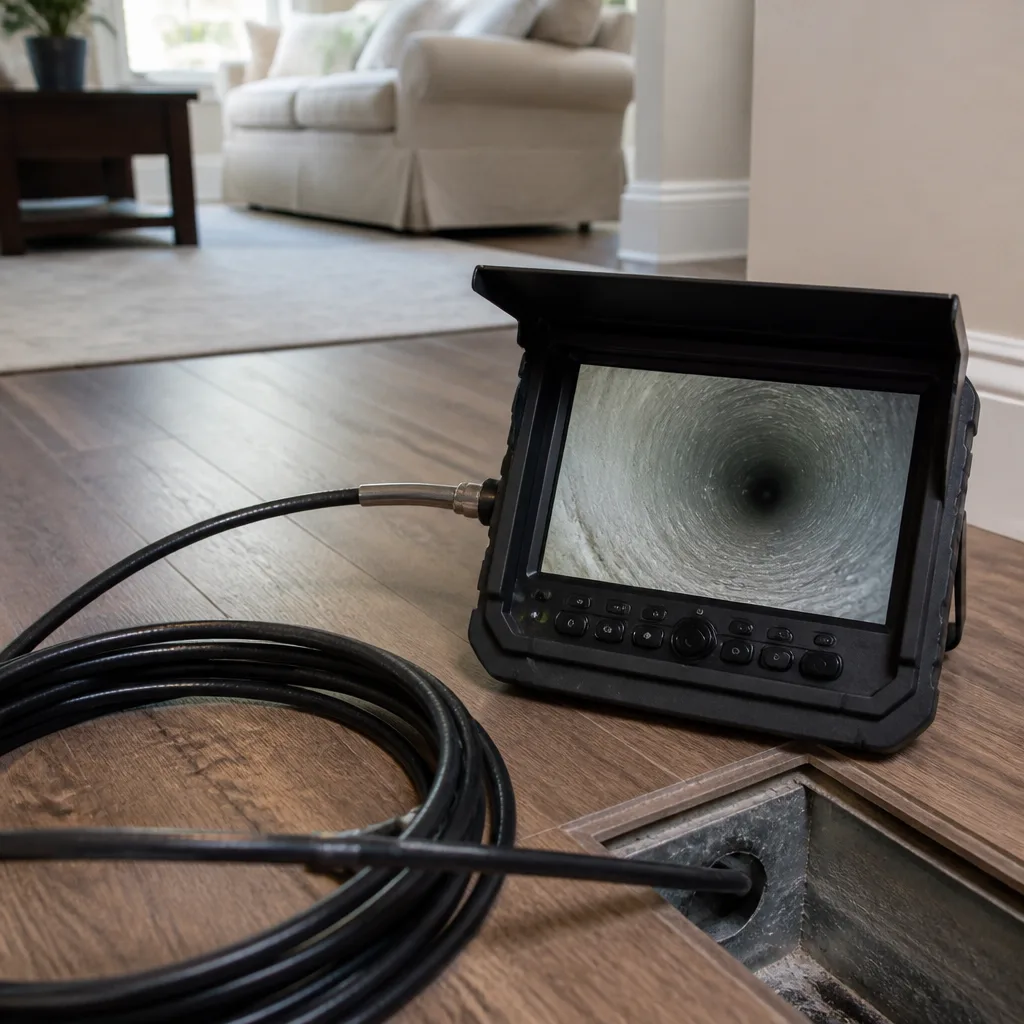 Camera inspection
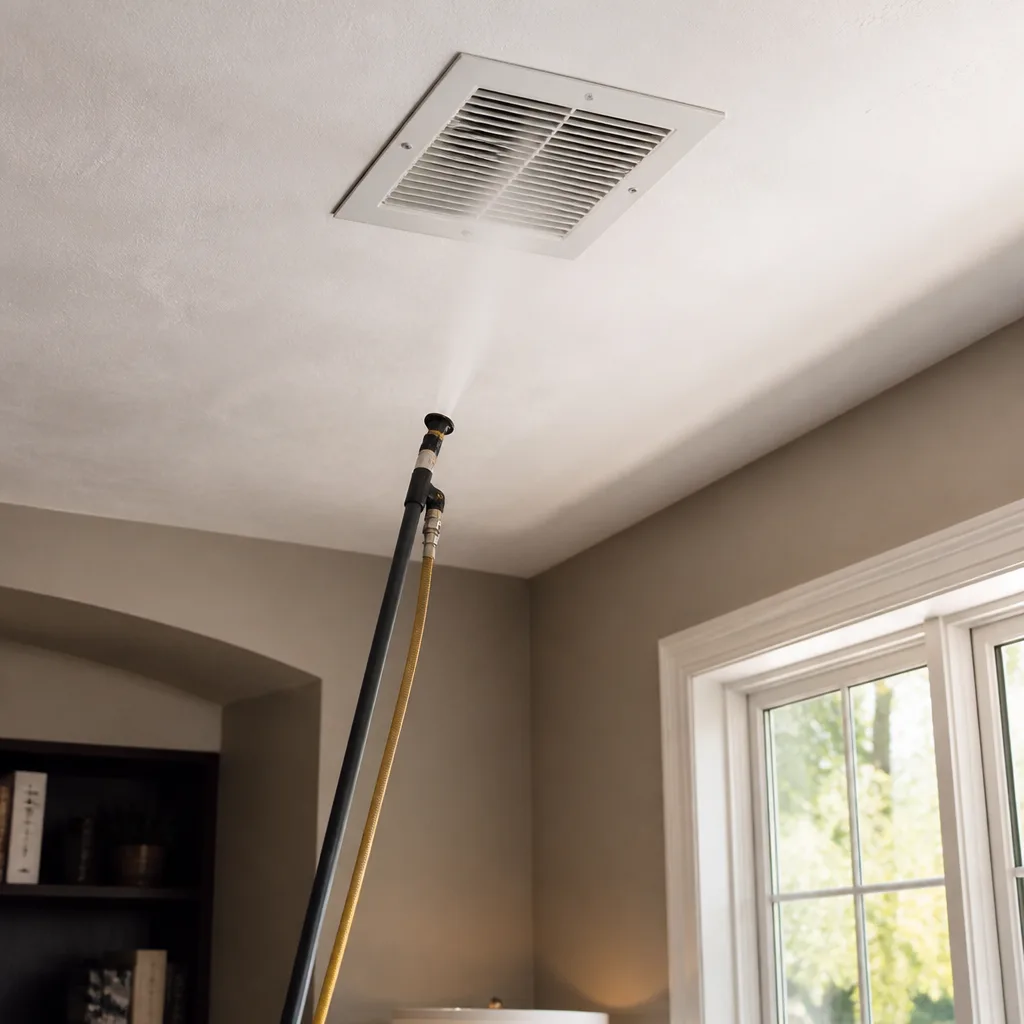 Sanitizing & deodorizing
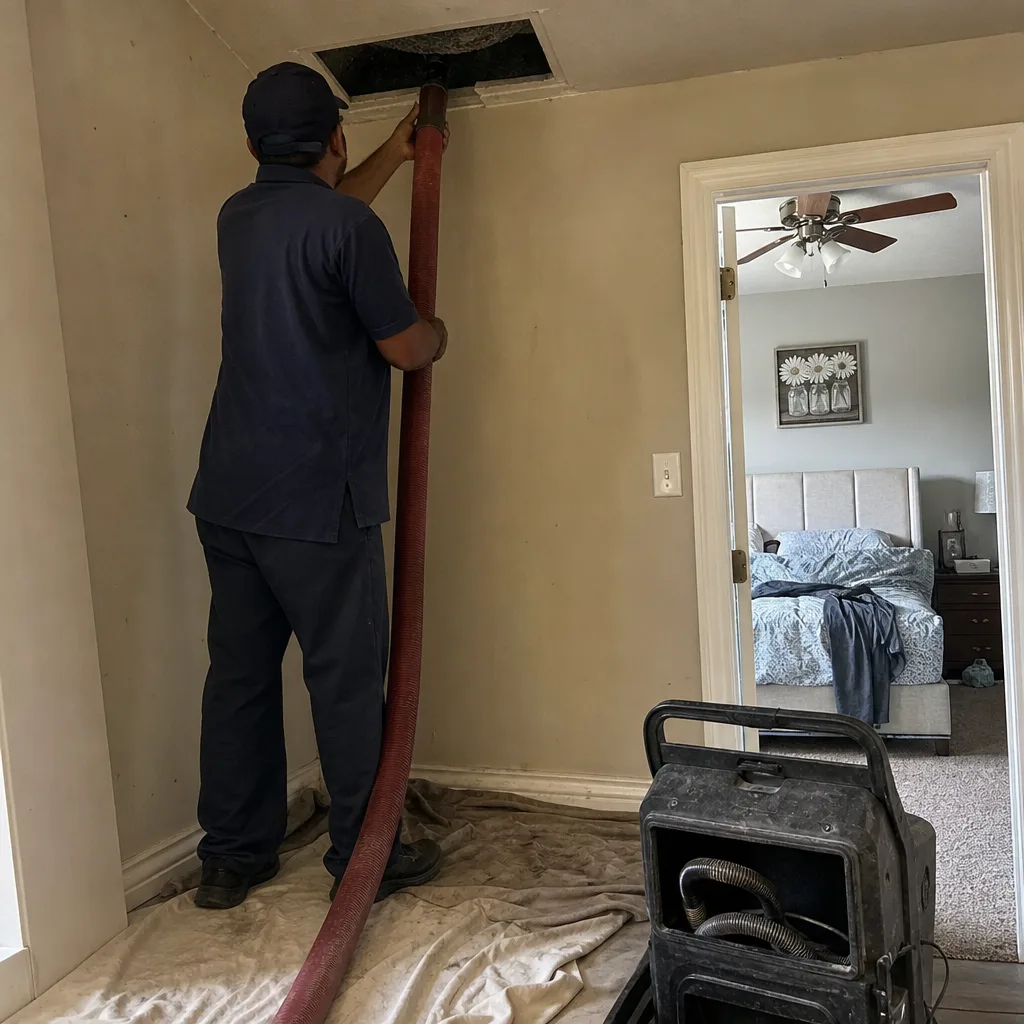
Whole-system duct and dryer vent check with before-and-after photos - you see exactly what came out of your vents
That "$99 whole-house special" is a bait ad - the real number appears once they are in your hallway, or the "clean" is a shop-vac at the register. We photograph the inside of your ducts before and after instead.
Air Duct Cleaning Warning Signs: An Allen Homeowner’s Reference Guide
Most homeowners blame the wrong thing. That film of dust on the coffee table two days after you wiped it down gets written off as housekeeping, pollen, or an old HVAC unit doing its best. In many Allen homes, it’s none of those. It’s a pressurization symptom, and it usually points to a specific spot in the duct system: a return-side leak close to the air handler pulling attic or garage air into the loop. This guide connects the symptoms you can actually see and smell to their real duct-system sources, so you can describe what’s happening instead of guessing at it.
Quick Answer
The main warning signs that your ducts need attention are dust that returns within a couple of days of cleaning, uneven room temperatures that don’t match your thermostat settings, musty odors at system startup, visible staining or streaking at the registers, and rising energy bills with no other explanation. In Allen, the strongest signal is usually a combination of two or more of these at once. A single symptom can have several causes; a cluster almost always traces back to the ductwork.
Styles & brands we work with
- Whole-home duct cleaning
- Dryer vent cleaning
- Camera inspection
- Sanitizing & deodorizing
Table of Contents
- The Symptom-to-Source Map: What Each Warning Sign Actually Means
- Dust That Comes Back: The 48-Hour Sign
- Allergy Symptoms vs. Particulate Symptoms: The One-Room Test
- Uneven Room Temperatures: Duct Condition or HVAC Sizing?
- Musty Smell at Startup vs. Persistent Odor
- What Register Discoloration Tells You About Upstream Conditions
- Dryer Vent Warning Signs Allen Homeowners Miss
- Energy Bills and Airflow: The Quiet Warning Sign
The Symptom-to-Source Map: What Each Warning Sign Actually Means
Before you call anyone, it helps to know what you’re describing. Duct problems produce a small set of observable symptoms, and each one tends to trace back to a narrow range of causes. Here’s how we map them in the field.
- Dust returning within 48 hours of cleaning: return-side leak, loose joint, or a disconnected run near the air handler.
- Symptoms that only show up in one room: a supply branch with low velocity, a crushed flex run, or a register that’s been partially closed for years.
- Musty smell at first startup, then fading: condensation or biological growth on the evaporator coil or in the plenum, not the ducts themselves.
- Musty smell that never fades: contaminated duct lining, standing moisture in a low run, or a return pulling from a humid space.
- Black streaking at the register face: fine particulate being pushed through a gap, often filter bypass.
- White chalky residue: mineral dust, usually from a humidifier or from construction debris left in the system.
- Rust staining: moisture is present upstream. That’s a repair question, not just a cleaning one.
This is the framework we use when a homeowner in Allen calls with a vague complaint like “the air feels dirty.” A cluster of two or three of these symptoms tells a much clearer story than any single one. The rest of this guide walks through each in detail.
Dust That Comes Back: The 48-Hour Sign
If you dust on Sunday and the same surfaces are coated again by Tuesday, the dust isn’t coming from your cleaning routine. It’s being delivered. A closed-loop HVAC system shouldn’t be adding particulate to a room; when it is, the system is pulling unfiltered air from somewhere it shouldn’t.
The most common location is on the return side, close to the air handler. Return ducts run under negative pressure, which means any gap, loose joint, or unsealed connection pulls air in rather than pushing it out. In Allen homes with attic-mounted air handlers, that means attic air, insulation fibers, and whatever else is up there gets drawn into the return and distributed through the house. You never see the leak. You just see the dust.
Three things make this worse in North Texas:
- Attic heat. Attic temperatures climb high enough through summer that flexible duct connections expand and contract, and taped joints loosen over time.
- Filter bypass. If the filter doesn’t seat properly in its slot, air goes around it rather than through it. The filter looks clean because it’s not doing the work.
- Undersized returns. A return that’s too small for the system creates higher negative pressure, which pulls harder on every gap in the return path.
This is the single most misdiagnosed duct problem we encounter in Allen. Homeowners replace filters, buy air purifiers, and vacuum more, none of which fixes a return leak. The fix is sealing the return path and then cleaning the system so the newly sealed loop doesn’t keep circulating what’s already inside it. Proper air duct cleaning after the seal is what makes the repair stick.
Allergy Symptoms vs. Particulate Symptoms: The One-Room Test
Not every “bad air” complaint is a duct problem, and treating a pollen allergy as a duct issue wastes money. There’s a practical way to separate the two without a lab test.
The one-room test: pay attention to where symptoms and visible dust show up. If family members feel worse in every room of the house, and dust accumulates evenly everywhere, you’re likely looking at a whole-house air quality issue that may involve the ducts. If symptoms concentrate in one or two rooms, or dust builds up on one side of the house, you’re looking at a distribution problem – a specific branch, register, or run.
The distinction matters because the responses are different:
- Whole-house, uniform symptoms point to the air handler, the filter, the return path, or overall duct contamination. Cleaning the full system and addressing filtration makes sense.
- Room-specific symptoms point to a single supply branch. Cleaning the whole system won’t fix a crushed flex run behind drywall; repairing or rerouting that run will.
- Symptoms that follow the seasons rather than the house (worse in spring, better indoors after rain) are usually outdoor allergens, and duct cleaning won’t change them.
This is also where professional equipment separates itself from a shop vac. Contractor-grade systems from Rotobrush and Nikro agitate and extract contamination from the full duct surface, including the branch runs, not just the main trunk. If you’re going to clean, clean the whole system; a partial job leaves the source in place. Our technicians have up to 14 years of experience reading these patterns, and the one-room test is usually the first thing we ask about.
Uneven Room Temperatures: Duct Condition or HVAC Sizing?
A bedroom that runs five degrees warmer than the rest of the house gets blamed on the AC being too small. Sometimes that’s true. Frequently it isn’t. Duct condition explains more uneven-temperature complaints in Allen than equipment sizing does, and the two produce different patterns.
Here’s how to tell them apart:
- If the problem has always existed since the house was built, sizing or duct design is the likely culprit. The system was never balanced for that room.
- If the problem appeared gradually, something changed in the ductwork. A flex run may have collapsed, a damper may have slipped closed, or a joint may have separated in the attic.
- If one room is stuffy but another is fine on the same branch, the branch itself has a restriction.
- If the whole house feels under-served but the equipment runs constantly, the return path may be undersized, starving the system of air to condition.
Duct repair resolves a surprising share of these calls. That’s why we offer duct cleaning in Allen alongside repair work: cleaning a system with a crushed or disconnected run just moves the problem around. Finding and fixing the run is what actually restores balance. If your bedroom has never cooled properly since day one, the answer may be a design fix rather than a repair, and we’ll tell you that plainly rather than sell a cleaning you don’t need.
Musty Smell at Startup vs. Persistent Odor
Two homeowners can describe the exact same smell and need two different fixes. The timing of the odor is the diagnostic clue almost everyone overlooks.
Musty smell only at first startup, then fading within a minute or two: this is coil or plenum moisture, not duct contamination. The air handler’s evaporator coil stays damp between cycles, and when the blower kicks on, it pushes that first pocket of humid air into the house. Humidity control, coil cleaning, and sometimes a drain pan fix solve it. Duct cleaning alone won’t.
Musty smell that’s present the entire time the system runs: this is duct contamination or a moisture source inside the duct system. Porous duct board that has been damp, a low run holding condensation, or a return pulling from a humid crawl or attic space will produce a persistent smell that doesn’t cycle with the blower.
Smell that’s worse in specific rooms: a single contaminated branch, or a register feeding from a run that passes through a humid zone.
In our experience working in Allen, the persistent-odor calls that turn out to be duct-related usually come with at least one other symptom on this list – visible register staining or recurring dust. The startup-only smell rarely does. If you’re not sure which pattern fits, describe the timing when you call. It’s the first question worth answering.
What Register Discoloration Tells You About Upstream Conditions
The vent covers are the only part of your duct system you can see without opening a wall, and they read like a diagnostic instrument. The color and pattern of the staining points upstream.
- Black streaking around the edges of the register face: fine particulate is being pushed through the gaps between the register and the drywall or duct boot. Usually filter bypass or a loose boot connection. The streaks mark the path the air is taking when it shouldn’t be.
- White chalky residue: mineral dust. Most often comes from a whole-house humidifier that’s overdue for service, or from construction debris still in the system. Both are cleanable; the humidifier also needs attention separately.
- Rust staining on the register or the surrounding drywall: moisture is present somewhere upstream. That could be condensation on a cold duct in summer, a roof leak entering a duct run, or a coil drain issue. This is a repair question first. Cleaning a wet system and leaving the moisture source in place just delays the problem.
- Uniform gray dust film with no pattern: general contamination, the most common and the most straightforward to address with a full system cleaning.
- Discoloration only at one or two registers: a branch-specific issue. The problem is local, not whole-house.
Walk the house with a flashlight and look at every register once. It takes ten minutes and gives you more information than any marketing page. If you see rust, mention it on the call. It changes the scope of the job from cleaning to repair-plus-clean.
Dryer Vent Warning Signs Allen Homeowners Miss
Dryer vent problems are the warning sign most Allen homeowners don’t notice until a service call or a fire event forces the issue. That’s the wrong order. The signs are visible long before anything goes wrong.
What to watch for:
- Clothes take longer than one cycle to dry. A dryer that used to finish in one cycle and now needs two is losing airflow. The lint screen is clean, so the restriction is downstream in the vent run.
- The dryer feels hot to the touch on the top or sides during a cycle. Restricted airflow means heat has nowhere to go.
- The laundry room is humid after a load. Moisture that should be going outside is coming back into the room.
- Lint visible behind the dryer or around the outside vent hood. Lint escaping where it shouldn’t means the vent path is compromised.
- The outside vent flap doesn’t open fully, or doesn’t open at all, while the dryer runs.
- A burning or scorched smell near the dryer. Stop using the dryer and call for service before running another load.
Lint buildup in the vent run is a documented fire risk, not a comfort preference. It’s also one of the reasons we offer dryer vent cleaning as a core service rather than an add-on. When a technician is already in the house for duct work, checking the dryer vent takes little additional time and closes a safety gap most homeowners don’t think to ask about.
Energy Bills and Airflow: The Quiet Warning Sign
A rising electric bill with no change in habits gets blamed on rates. Sometimes rates are the answer. But in a home where duct leakage has developed slowly, the bill climbs in increments small enough that nobody notices until summer’s heat makes it obvious.
The mechanism is simple. Leaky supply ducts dump conditioned air into the attic before it reaches the room. Leaky return ducts pull hot attic air back into the system. Either way, the equipment runs longer to reach the thermostat setting, and you pay for the extra runtime.
Here’s what to check before you assume it’s the rates:
- Compare the same billing period year over year if you can, not month over month.
- Look for a bill that climbed while your habits and equipment didn’t change.
- Note whether the system runs noticeably longer than it used to reach the same temperature.
- Check whether any room feels under-served even when the system is running full out.
None of these prove a duct leak on their own. All of them together, alongside one of the other symptoms on this list, justify an inspection. Filtration upgrades from brands like Honeywell and Aprilaire help downstream comfort, but they can’t compensate for air that never reaches the room. If your bills are climbing and something else on this list is true too, that’s the call.
Common Mistakes to Avoid
- Replacing the HVAC system before checking the ducts. A new unit pushing through a leaky duct system delivers the same results as the old one. Fix the delivery before you replace the source.
- Buying a bigger filter instead of fixing filter bypass. If the filter doesn’t seat properly, a higher-rated filter just bypasses more effectively. Seal the slot first.
- Cleaning only the trunk line and calling it a full job. Branch runs are where room-level symptoms live. A partial cleaning leaves the cause in place.
- Treating a musty startup smell as duct contamination. It’s usually coil or plenum moisture. Duct cleaning won’t solve it, and coil service will.
- Ignoring rust at a register. That’s a moisture source upstream, and cleaning a wet system without fixing the source brings you back to the same problem.
- Assuming a long dryer cycle is a dryer problem. It’s almost always a vent restriction. Diagnose the vent before shopping for a new appliance.
- Hiring a clean-only crew in Allen when the diagnosis calls for repair. If the symptom is a crushed run or a rust stain, cleaning around the problem just delays the real fix. Ask whether the company can repair what it finds, not just clean it.
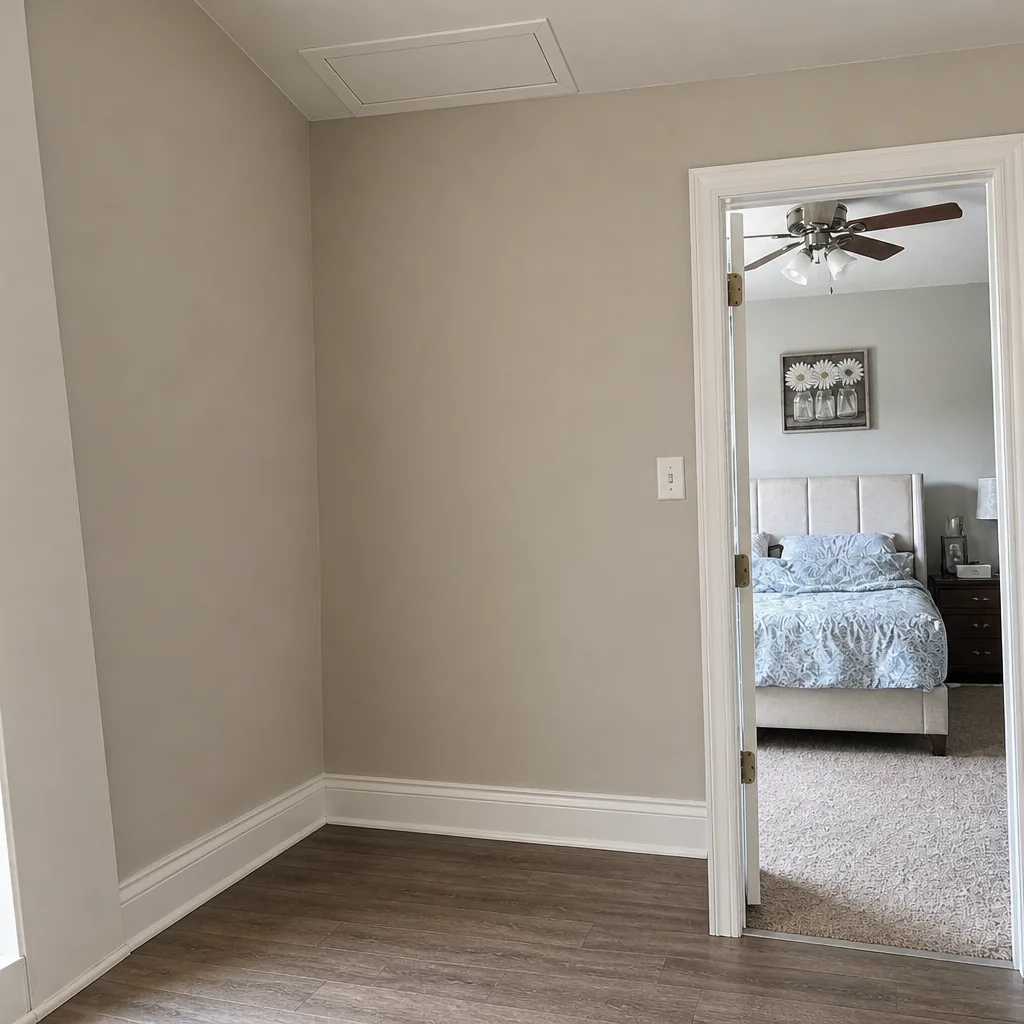
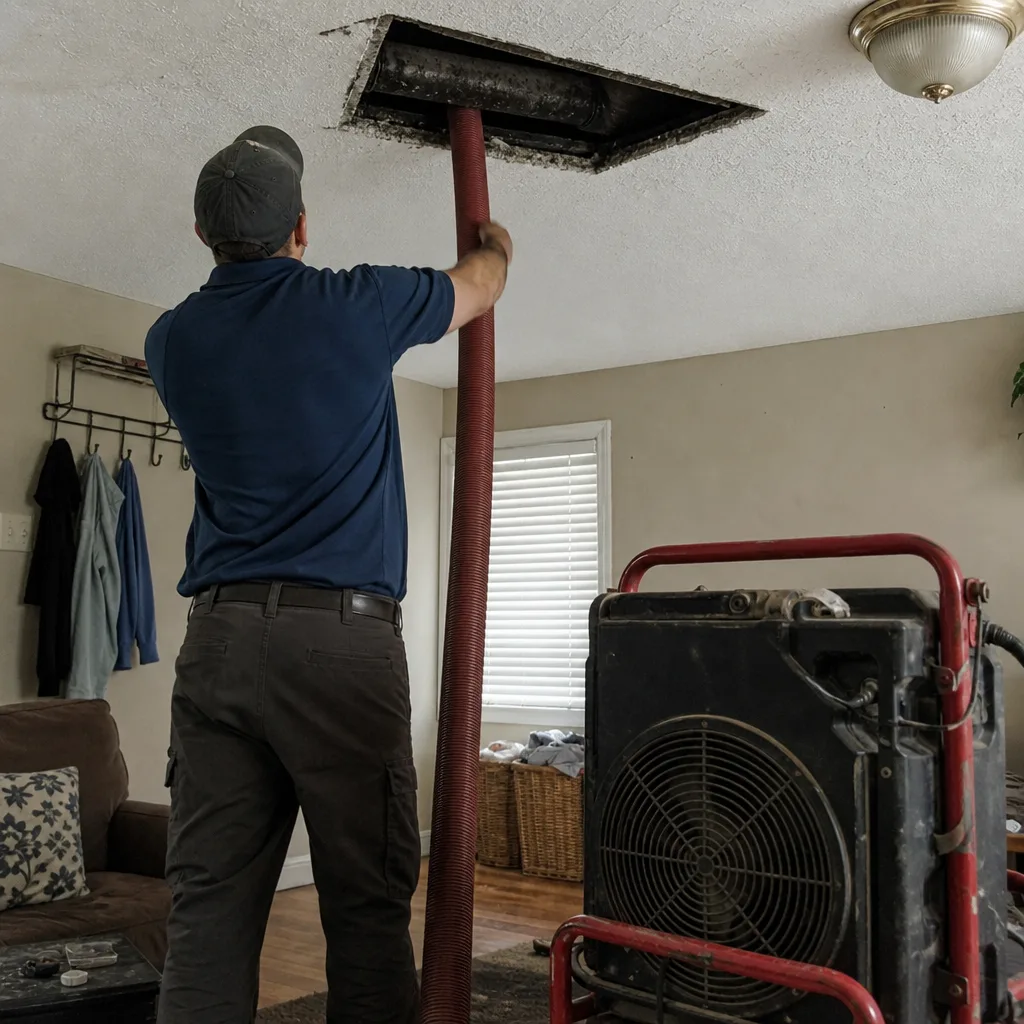
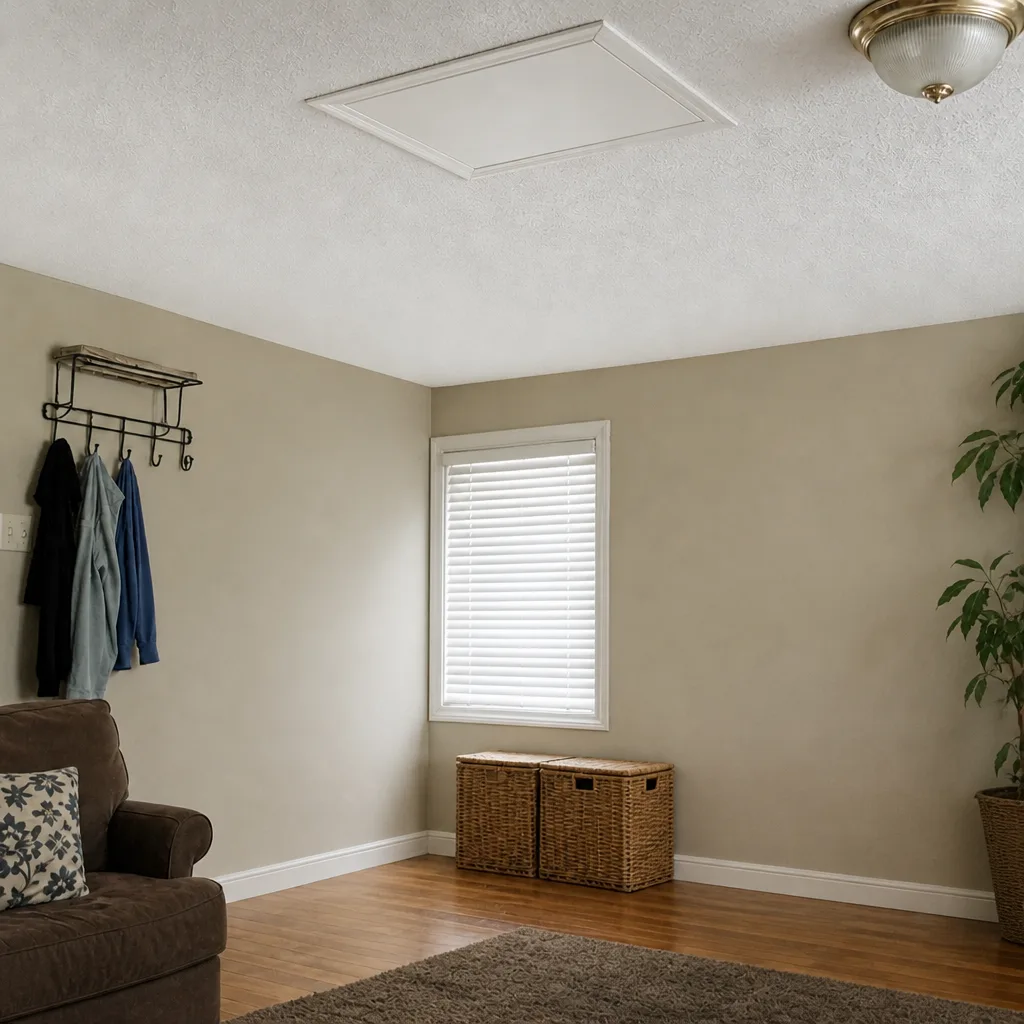
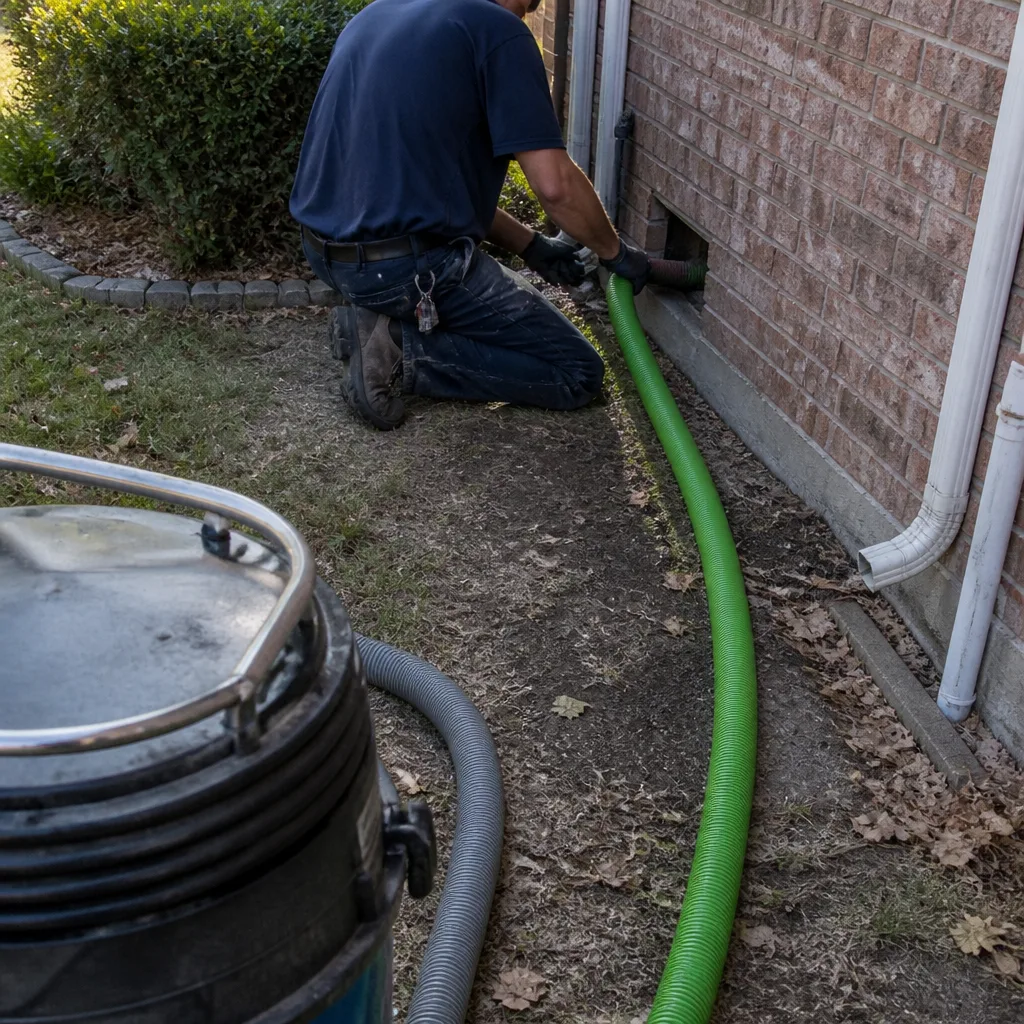
See the difference
 Before
 After
 Before
 After
 Before
 After
When to Call a Professional
Some warning signs are worth checking yourself; others aren’t. Call a professional when you see rust staining at any register, when the dryer vent flaps don’t open during a cycle, when a musty smell is persistent rather than startup-only, or when any single room consistently runs four or more degrees off the thermostat setting. Also call when two or more of the symptoms in this guide appear together – a cluster points to the duct system, and a professional inspection will find the source faster than trial and error. Duct Cleaning Allen offers free estimates in Allen – call (866) 452-2744. We answer 24/7. Fast dispatch from 7am to 7pm, Sunday through Friday.
Frequently Asked Questions
The most common signs are dust returning within 48 hours of cleaning, uneven room temperatures, musty smells at system startup, black streaking or rust at the registers, and rising energy bills with no other explanation. In Allen, the strongest signal is two or more of these appearing together. Call (866) 452-2744 for an exact quote – estimates are free.
Dust that returns within 48 hours usually means a return-side leak is pulling unfiltered air into the system, most often near the air handler in an attic-mounted setup. It’s a pressurization symptom, not a housekeeping problem. Call (866) 452-2744 to schedule an inspection – estimates are free.
Cleaning addresses contamination inside a sound duct system; repair addresses crushed runs, separated joints, rust, or moisture damage. Rust at a register, a room that’s always been under-served since move-in, or a run that’s collapsed all point to repair rather than cleaning. Call (866) 452-2744 and describe what you’re seeing – estimates are free.
Not usually. A musty smell that fades within a minute of startup is generally coil or plenum moisture, and coil service is the fix. A smell that persists the whole time the system runs points to duct contamination or a moisture source inside the ducts. Call (866) 452-2744 if you can’t tell which pattern you’re seeing – estimates are free.
Clothes needing two cycles to dry, a dryer that’s hot to the touch, humidity in the laundry room after a load, and lint visible behind the dryer or around the outside vent are the main signs. The outside vent flap not opening during a cycle is a strong indicator. Call (866) 452-2744 for an inspection – estimates are free.
It can help when the ducts themselves are the contamination source, and it won’t help when the symptoms are driven by outdoor allergens or by a single restricted run. The one-room test in this guide distinguishes the two. Call (866) 452-2744 to talk through your specific pattern – estimates are free.
The Bottom Line
Duct problems announce themselves in patterns, not single symptoms. Dust that returns within 48 hours points to a return leak. Uneven temperatures that appeared gradually point to a duct restriction. A musty smell at startup is a coil issue; a persistent one is a duct issue. Register staining tells you whether the problem is particulate, mineral, or moisture. Dryer vent symptoms are a safety matter, not a comfort one. Take ten minutes, walk the house, and check each register. Then describe what you find when you call. That’s how you skip the guesswork and get to the actual fix.
Call (866) 452-2744 for a free estimate. We answer 24/7. Fast dispatch from 7am to 7pm, Sunday through Friday.
Written by the team at Duct Cleaning Allen.