
Last updated November 15, 2026
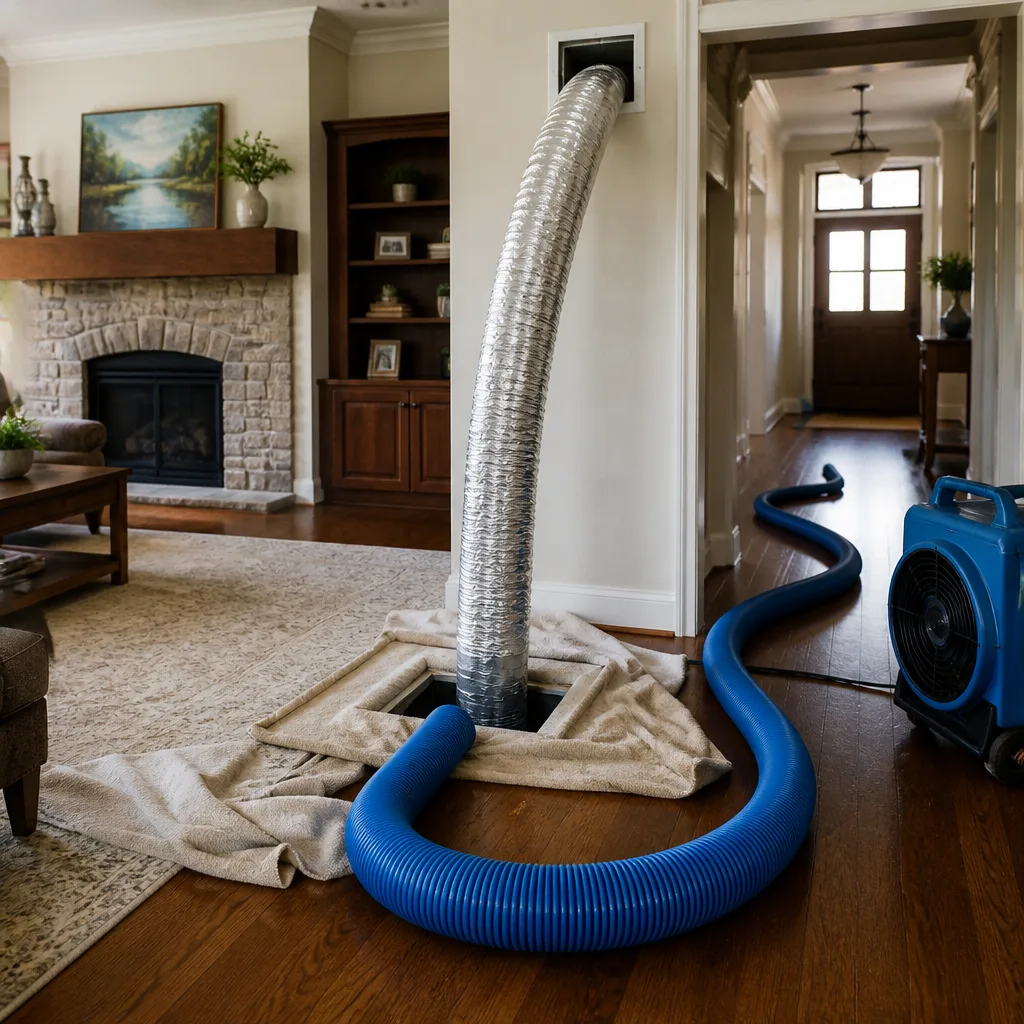 Whole-home duct cleaning
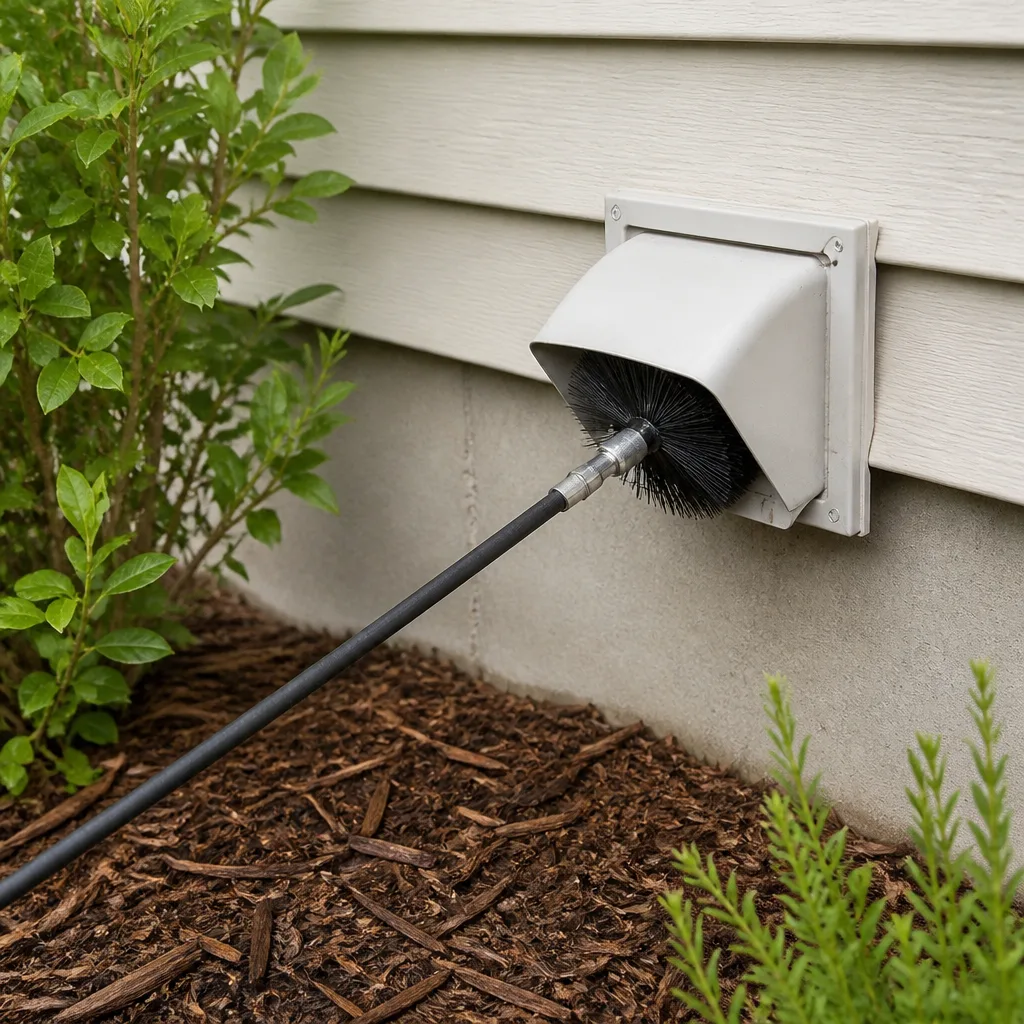 Dryer vent cleaning
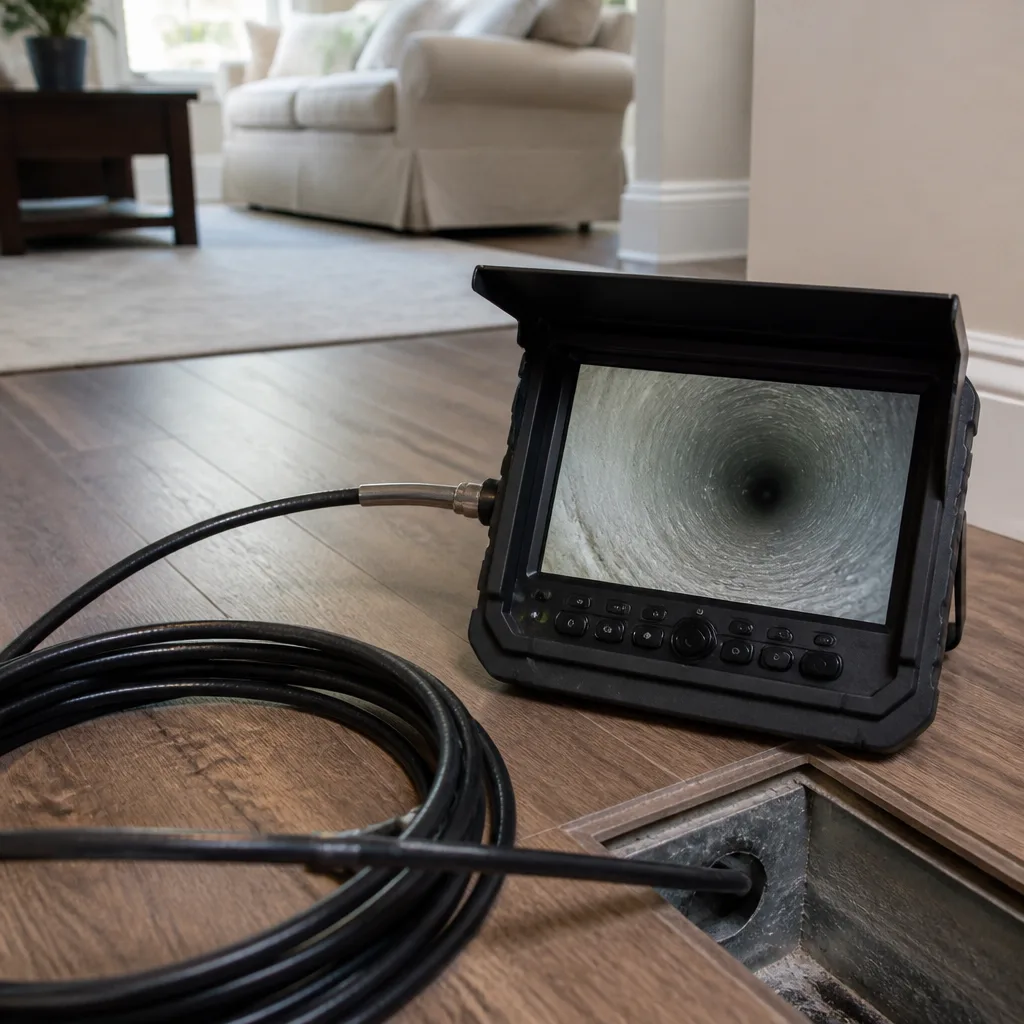 Camera inspection
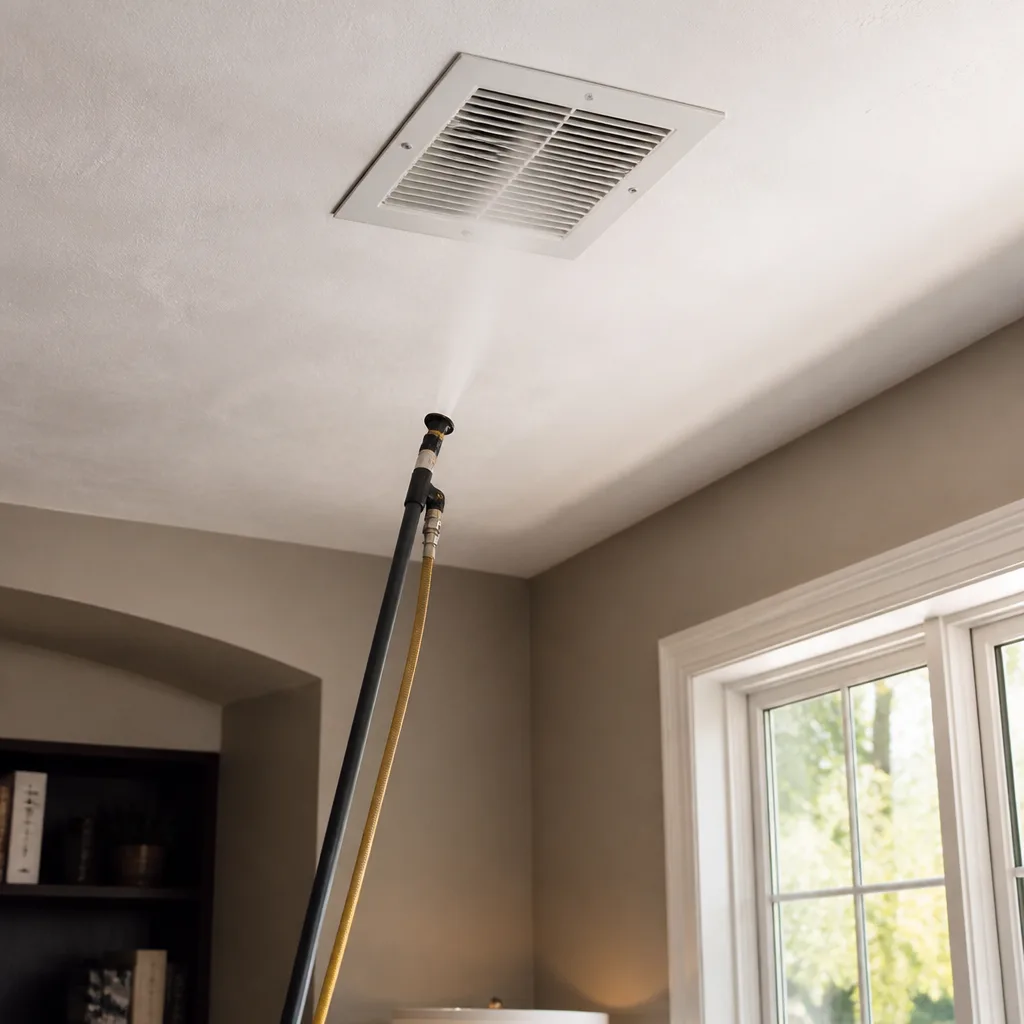 Sanitizing & deodorizing
Whole-system duct and dryer vent check with before-and-after photos - you see exactly what came out of your vents
That "$99 whole-house special" is a bait ad - the real number appears once they are in your hallway, or the "clean" is a shop-vac at the register. We photograph the inside of your ducts before and after instead.
Air Duct Cleaning Troubleshooting in Allen: Common Problems and How to Fix Them
If your HVAC tech has visited twice this year and the airflow still feels wrong, the odds are strong the problem is sitting in your ductwork, not your equipment. And no tune-up will fix a collapsed flex run. Most homeowners in Allen assume every comfort complaint points to the furnace or the condenser because that’s the machinery they can see and hear. The ductwork is hidden behind drywall and attic insulation, so it gets blamed last and inspected least. This guide walks you through reading your system’s symptoms the way a technician does, so you can tell a duct problem from an equipment problem before anyone picks up a phone. You’ll learn room-by-room pressure checks, what smells mean, and when the answer is cleaning, repair, or replacement.
Quick Answer
Most air duct problems in Allen trace back to three causes: contaminated duct interiors, disconnected or crushed duct runs, and undersized return air. You can narrow it down yourself with a room-by-room airflow check, a filter inspection, and a look at any accessible duct sections in the attic or garage. If the symptoms persist after those checks, a professional duct inspection tells you whether you need cleaning, repair, or both, and those are different jobs with different fixes.
Styles & brands we work with
- Whole-home duct cleaning
- Dryer vent cleaning
- Camera inspection
- Sanitizing & deodorizing
Table of Contents
- How to Tell Duct-Side Airflow Loss From Equipment Failure
- What That Musty Smell After AC Startup Really Means
- Visual Inspection Checklist for Accessible Duct Sections
- Why Uneven Temperatures in Allen Two-Story Homes Point to Return Air
- Cleaning vs. Repair vs. Replacement: The Decision Tree
- The Dryer Vent Problem Hiding in Plain Sight
- Common Mistakes to Avoid
- When to Call a Professional
How to Tell Duct-Side Airflow Loss From Equipment Failure
Here’s the rule technicians use: if your equipment is running and producing cold air at the plenum, but some rooms stay warm, the problem is downstream. The ductwork is losing the air before it reaches the register. If the air at the plenum is warm when it should be cold, that’s equipment. You can perform this distinction yourself with a simple room-by-room airflow test.
- Hold a tissue or a piece of toilet paper against each supply register. A properly balanced register pulls the tissue toward it with steady, firm suction. A weak register barely moves it.
- Note which rooms feel strong, which feel weak, and which feel nearly dead. Write it down. Patterns matter more than individual rooms.
- Check the return grilles. Returns should pull hard. A weak return on one side of the house and a strong return on the other is a sizing or blockage signal.
- Open the air handler access panel if it’s safely accessible, and feel the plenum. The main trunk just past the equipment should feel strongly cold in cooling season. If it’s cold there and weak at the far registers, you’ve isolated a duct problem.
- Replace the filter and repeat the test. A clogged filter mimics duct blockage perfectly. Rule it out before doing anything else.
What patterns mean: one weak room usually points to a single disconnected or crushed run. A whole side of the house weak points to a trunk problem or a failed zone damper. Every register weak with a cold plenum points to a main trunk restriction. Every register weak with a warm plenum points to the equipment. That distinction alone saves Allen homeowners a lot of misrouted service calls, because the fix lives in completely different trades.
One more thing to check: the supply boots. If a boot is separated from the floor or wall, you’ll often feel air moving behind the drywall or in the attic instead of out of the register. That’s a repair, not a cleaning issue, and it’s one of the most common things we find in Allen homes with flex duct systems.
What That Musty Smell After AC Startup Really Means
The musty smell that hits you the first minute the AC kicks on is almost always coming from one of two sources: biological growth on the evaporator coil or in the duct liner, or stagnant condensate sitting in the drain pan or a trap that isn’t draining. The two look identical to your nose and require completely different fixes. Here’s how to tell them apart.
Biological growth in the ducts or on the coil
If the smell persists the entire time the system runs, gets stronger in humid weather, and you notice it most in rooms closest to the air handler, you’re likely dealing with growth on the coil or in the interior liner of the ducts. This happens in Allen because our cooling season is long and the system runs constantly, keeping the coil and duct interiors damp for months. Growth on the coil needs a professional coil cleaning. Growth inside duct liner usually means the liner is delaminated or the ducts have been wet long enough that the insulation is compromised. In that case, cleaning alone doesn’t solve it; the affected section needs replacement. We use Rotobrush and Nikro equipment for the cleaning side, but we won’t clean around a duct section that should be replaced, because the smell comes back.
Stagnant condensate
If the smell is strongest right at startup and fades after a few minutes, and you can see standing water in the drain pan or a trap that looks clogged, you’re dealing with condensate. This is often a DIY fix. Clear the drain line, check the trap, and make sure the pan drains fully. If the pan holds water after the system has been off for an hour, the drain is blocked or the pan is pitched wrong, and that’s worth a professional look before it becomes a bigger problem.
- Smell persists all cycle: growth or wet duct liner, professional evaluation needed
- Smell fades after startup: condensate, check the drain and trap first
- Smell is stronger in one room: a compromised duct section serving that room
- Smell started after a storm or roof leak: wet insulation in the ducts, stop using the system and get it inspected
One caution: if the smell is chemical or plasticky rather than musty, shut the system off and get it inspected. That’s a different problem entirely, and it’s not one to troubleshoot from a guide.
Visual Inspection Checklist for Accessible Duct Sections
You can inspect a surprising amount of your own ductwork without any tools. In Allen homes, the accessible sections are usually the attic runs, the plenum at the air handler, and sometimes a section in the garage or a mechanical closet. Here’s what to look for and what each finding means.
Delaminated liner
Most flex duct and some rigid duct has a fiberglass liner on the inside. When the liner separates from the outer jacket, it sags into the airstream and blocks flow. Look for sections where the duct looks deflated, where the outer jacket is separated from the inner core, or where you can see fiberglass material intruding into the duct opening at a boot or plenum connection. Delaminated liner is a repair or replacement issue, not a cleaning issue. Cleaning equipment will damage it further.
Disconnected joints
Grab each accessible duct joint and give it a gentle wiggle. A properly connected joint won’t move. If the duct pulls apart easily or you see a visible gap, that joint is leaking. Disconnected joints are common in Allen attic runs because the flex duct gets flexed during other trades’ work and the connections work loose over time. A disconnected supply joint means you’re paying to cool your attic. A disconnected return joint means you’re pulling attic air, insulation fibers, and whatever else is up there into your living space. Both need repair, and both are worth fixing before cleaning, because cleaning a disconnected system just recontaminates it.
Crushed flex
Flex duct is easy to crush. Look for sections that are pinched, kinked, or flattened. A crushed run might as well be a closed run. This is the single most common cause of one weak register in an otherwise healthy system, and it’s exactly the kind of problem a tune-up will never find. In our experience, crushed flex behind a knee wall or at a tight attic turn is the culprit more often than any other single cause.
What each finding means
- Delaminated liner: repair or replace the section, don’t clean it
- Disconnected joint: repair before cleaning, then clean
- Crushed flex: replace the run with properly supported duct
- Surface dust inside a sound duct: cleaning candidate
- Visible mold or wet insulation: stop, get it inspected, likely replacement
If you find more than one of these, don’t try to sort out the order yourself. Get a professional assessment, because the repair-versus-clean sequence matters and doing it backwards costs you money.
Why Uneven Temperatures in Allen Two-Story Homes Point to Return Air
The upstairs-is-hotter problem in Allen two-story homes usually gets blamed on the system being undersized or on bad zoning. In our experience, the actual cause is return air. Upstairs rooms in most of these homes have one small return in the hallway serving several bedrooms, and that return can’t pull enough air to let the supplies deliver properly. The result: the system runs longer, the upstairs stays warm, and the downstairs gets cold because the system is trying to compensate.
How to test your return air
- Close the doors to every upstairs bedroom. This is the real-world condition the system operates in.
- Hold a tissue against each upstairs return grille. It should pull firmly. If it barely moves, the return is undersized or blocked.
- Check the gap under each bedroom door. A door that seals tight to the carpet starves the room of return path. Many upstairs rooms rely on the door gap as their only return route.
- Feel for air moving out of the room when you crack the door open. If air rushes out, the room is pressurized and the supply can’t deliver its full volume.
- Look at the return duct sizing at any accessible point. An upstairs return that’s smaller than the supply serving the same rooms is a sizing problem.
What the fix looks like
If the test confirms a return problem, the fix is duct-side: add return capacity upstairs, enlarge the existing return, or add a return path at each bedroom door. Zoning and refrigerant adjustments don’t fix an undersized return, and this is where a lot of repeat service calls come from in Allen. A tech who only looks at the equipment will keep charging for tune-ups that never solve the problem. Getting the return sizing right is often what actually balances a two-story home, and it’s a repair, not a cleaning.
One Allen-specific note: our summer design conditions mean the system is running long hours at near-maximum load. Any return restriction that would be a minor annoyance in a milder climate becomes a real comfort problem here, because the system has no headroom to make up for it.
Cleaning vs. Repair vs. Replacement: The Decision Tree
This is where most homeowners and a lot of contractors get it wrong. Cleaning, repair, and replacement are three different jobs, and confusing them is the number-one cause of repeat service calls. Here’s the logic a technician uses, in order.
Step 1: Is the duct structure sound?
If any run is crushed, disconnected, delaminated, or wet, stop. Cleaning a compromised system wastes money because the contamination stays or returns. Repair or replace those sections first. If the affected section is small, repair is usually the answer. If several runs are delaminated or the ducts are wet beyond a single section, replacement makes more sense than repair.
Step 2: Is the duct structure sound but dirty?
If the ducts are intact and the contamination is surface dust, debris, or minor growth on the coil, cleaning is the right call. Use professional equipment. Consumer shop vacs and DIY duct brushes stir up contamination and don’t extract it. Professional cleaning with equipment like Rotobrush and Nikro systems removes the debris rather than redistributing it. The brand of equipment matters less than the fact that it’s the extraction type built for the job.
Step 3: Is the contamination recurring?
If you’ve had the ducts cleaned and the symptoms come back within a season, the problem was never the ducts alone. It’s usually an ongoing source of moisture (a wet coil, a bad drain, a leak) or a hidden compromised section that wasn’t found during the first job. A professional air duct repair service should catch both before cleaning, which is why the sequence matters. This is a common thing we see in Allen: a cheap cleaning job that skipped the diagnosis, followed by the homeowner paying twice.
The decision tree in short
- Compromised structure, any section: repair or replace that section, then reassess
- Sound structure, surface contamination: professional cleaning
- Sound structure but recurring symptoms: find the moisture source or the hidden bad section, then clean
- Widespread wet insulation or delamination: replacement is usually the honest answer
- Undersized returns: duct repair, not cleaning, not equipment service
Sticking to this order is what keeps a homeowner from throwing money at the wrong fix. If we’re called out to an Allen home, we diagnose before we quote the cleaning, because a full-service air duct cleaning job on a system with a crushed return is money spent on the wrong problem.
The Dryer Vent Problem Hiding in Plain Sight
While you’re walking the attic looking at ductwork, look at your dryer vent too. A clogged dryer vent is a documented residential fire risk, and it’s a common one. But it’s not only a safety issue; it’s an airflow issue that looks like a broken appliance. If your dryer takes two cycles to dry a load, or the top of the dryer gets hot to the touch, the vent is the first thing to check, not the dryer. The ductwork and the dryer vent are different systems, but they fail in the same way, and both are worth a full inspection.
The tell on a dryer vent is simple: pull the dryer out a few inches and look at the back. If the flexible connection is crushed or kinked against the wall, you’ve found a problem. If the outside vent flap doesn’t open fully when the dryer runs, or there’s visible lint buildup inside the duct, get it cleaned. Self-cleaning with a lint brush only reaches the first few feet, and the blockage that matters is usually deeper. Professional dryer vent cleaning extracts the entire duct, which is what actually removes the fire risk.
Two Allen-specific factors make this more urgent than it sounds. Our summers keep the dryer working longer per load, and our newer homes often have longer vent runs routed up through the attic rather than out a short wall. A long run with two elbows is a lint trap waiting to clog. Treat the vent as part of your regular home maintenance, not an afterthought.
For a full picture of what our duct cleaning and dryer vent work involves, the main Duct Cleaning Allen page outlines the three services we run in Allen.
Common Mistakes to Avoid
- Blaming the equipment first. An HVAC tune-up on a system with a crushed duct run is money spent on the wrong problem. Do the room-by-room airflow check before you schedule anything.
- Cleaning before repairing. Cleaning a system with disconnected joints just blows that new cleaning back out of the gaps. Repair first, then clean, always.
- Using a shop vac or a DIY duct brush. Consumer vacuums don’t have the extraction power, and brushes stir contamination into the living space. It’s not a cleaning; it’s a redistribution.
- Assuming the return is fine because the supply feels strong. In Allen two-story homes, the return is often the actual problem. Test it before concluding the system is undersized.
- Ignoring a musty smell as “just the AC.” A smell that persists through the whole cycle often means wet duct liner, and cleaning around wet liner brings the smell back within a season.
- Skipping the dryer vent because it’s not a comfort complaint. It’s a fire safety issue, and it’s arguably more important than the duct cleaning.
- Calling one crew for cleaning and expecting them to find the repair. A clean-only crew can’t diagnose or fix a compromised run. Choose a service that handles air duct cleaning and repair together, so the sequencing is done right in one visit.
See the difference
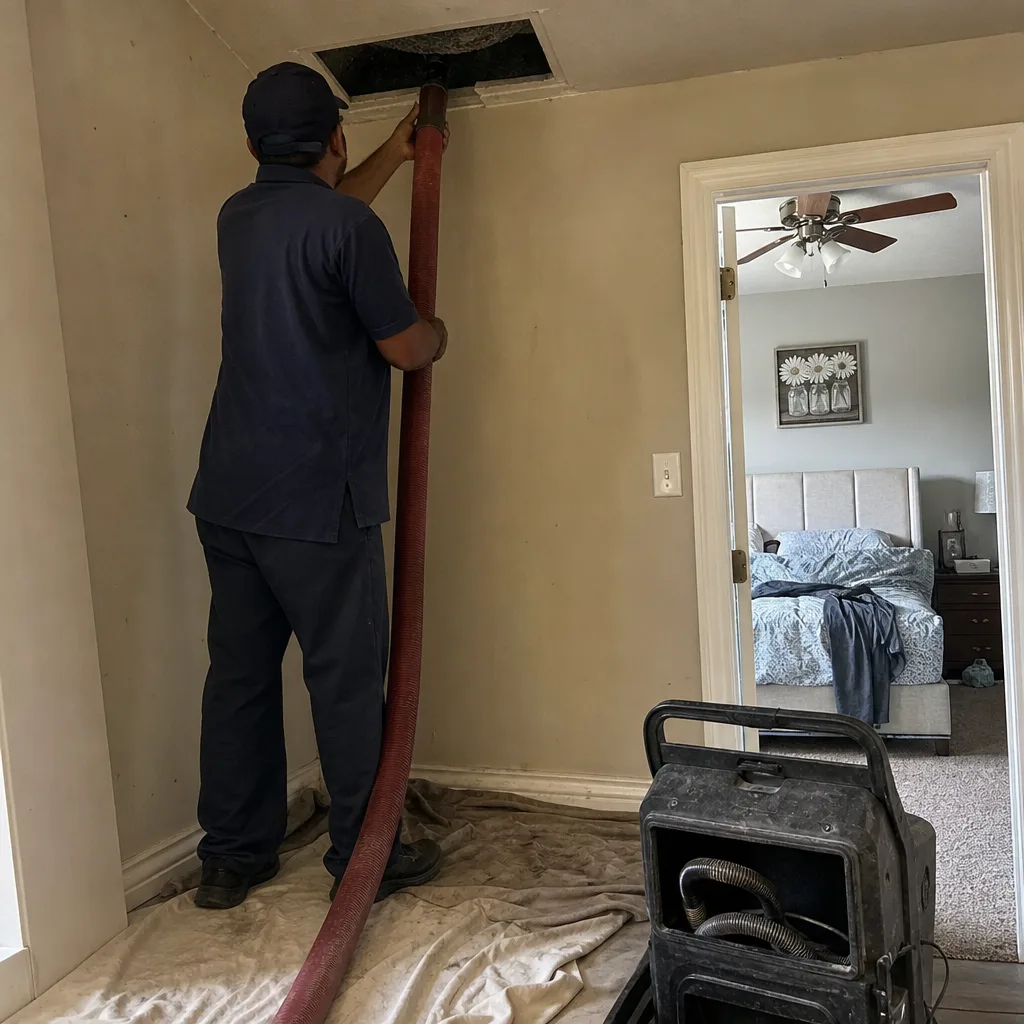 Before
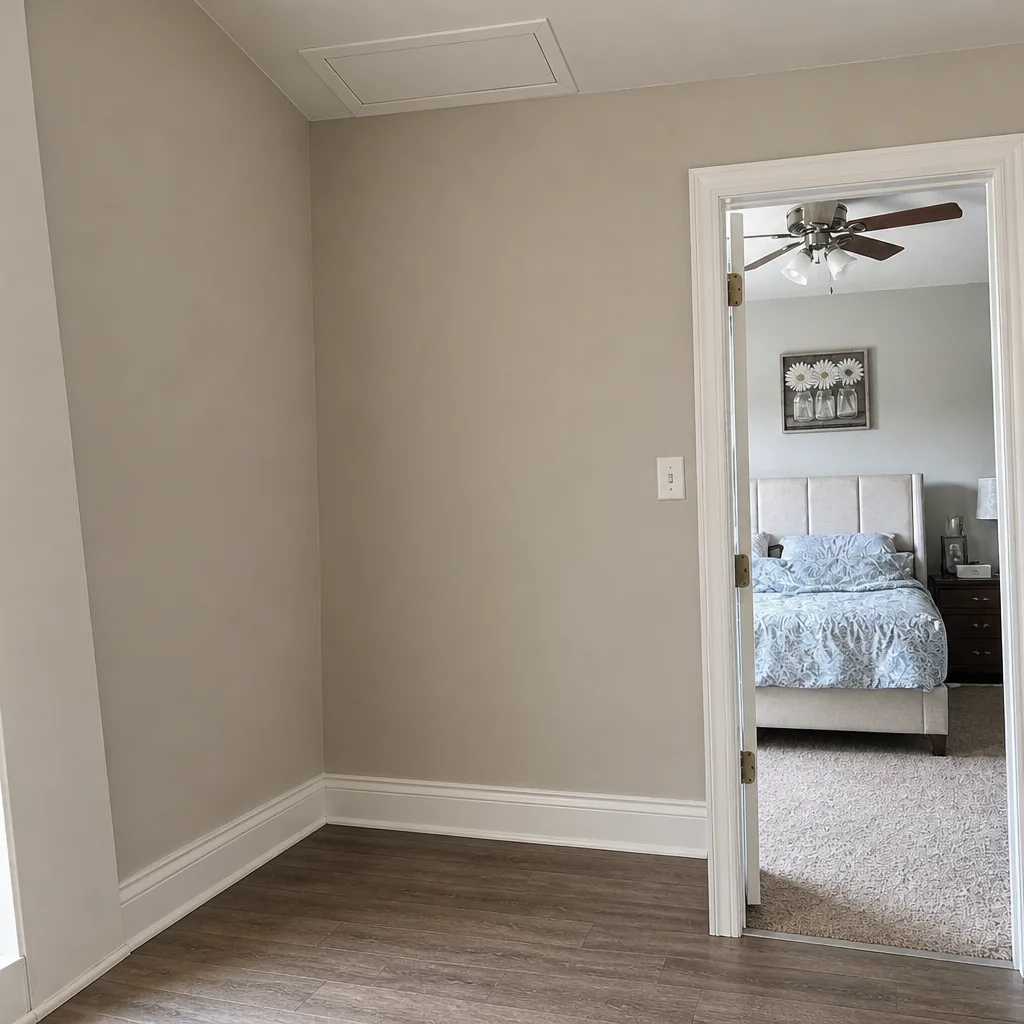 After
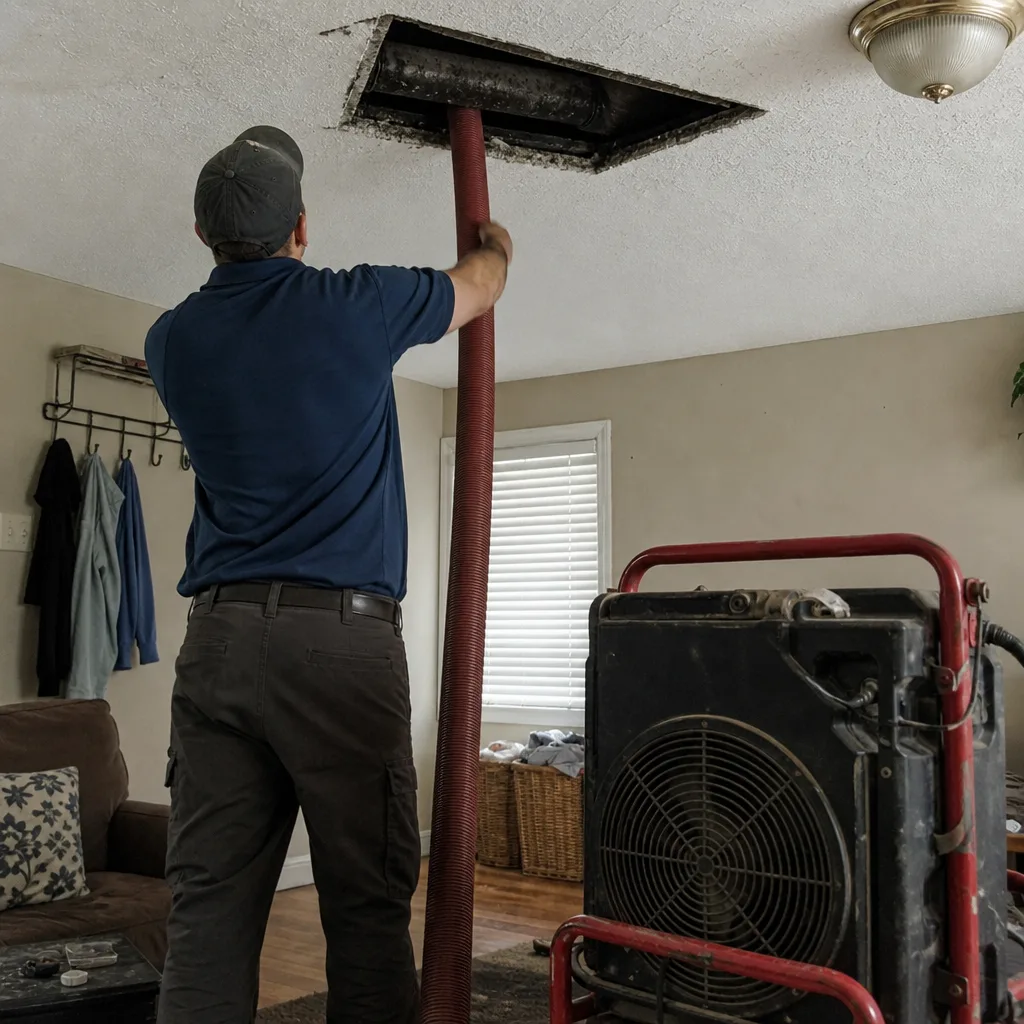 Before
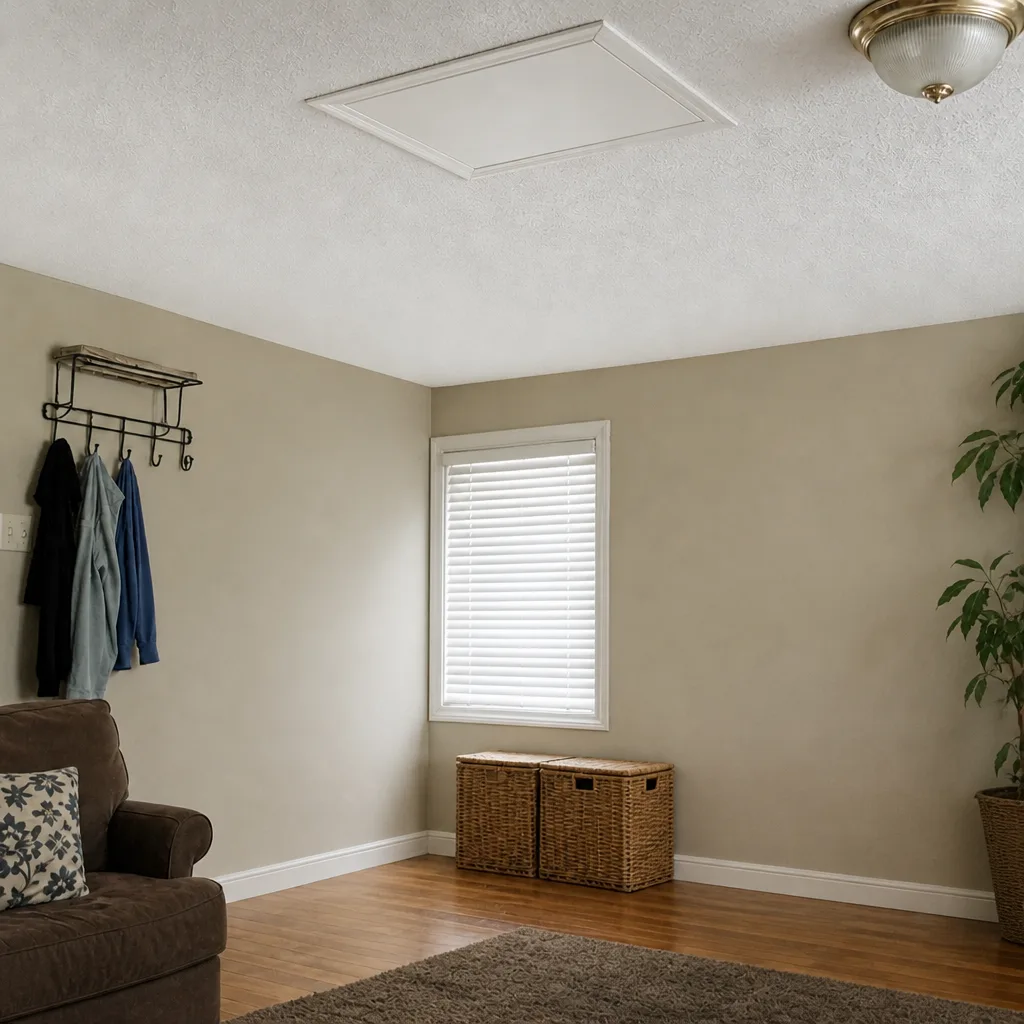 After
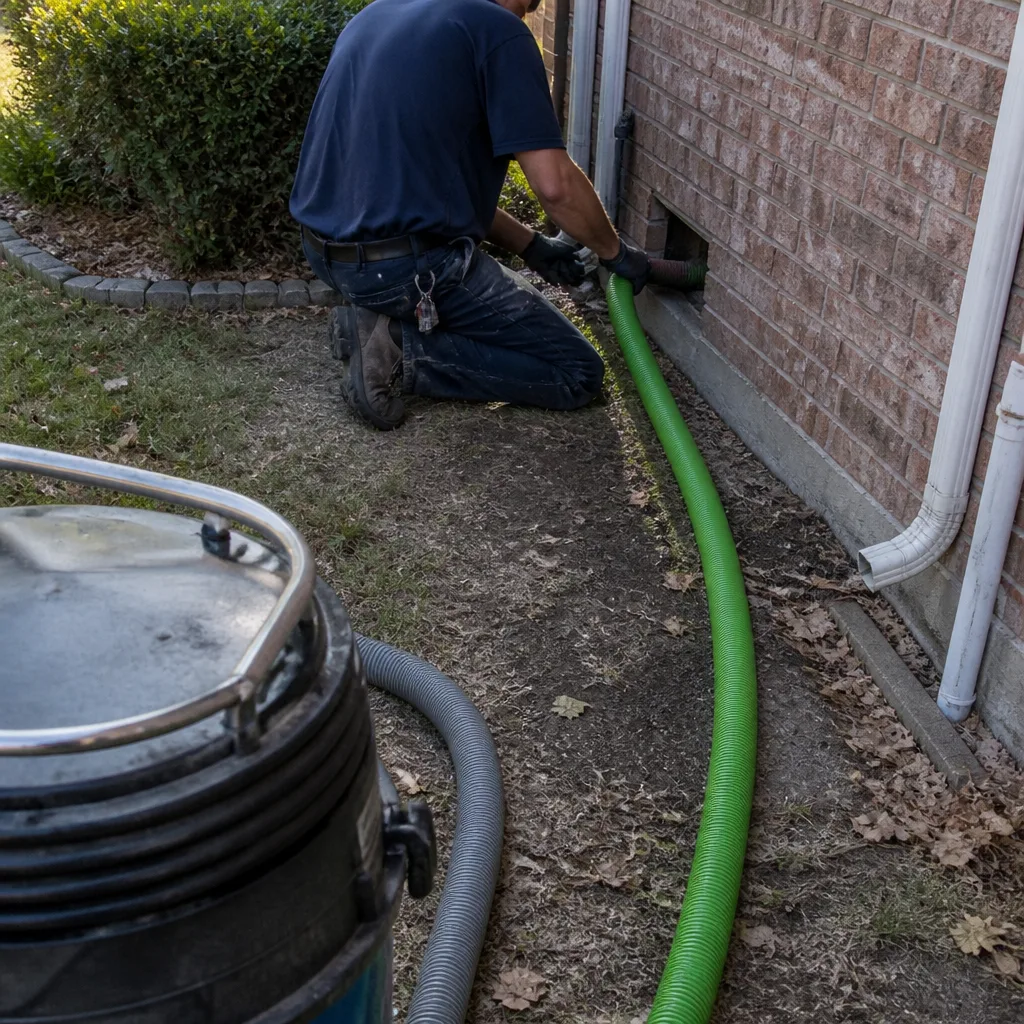 Before
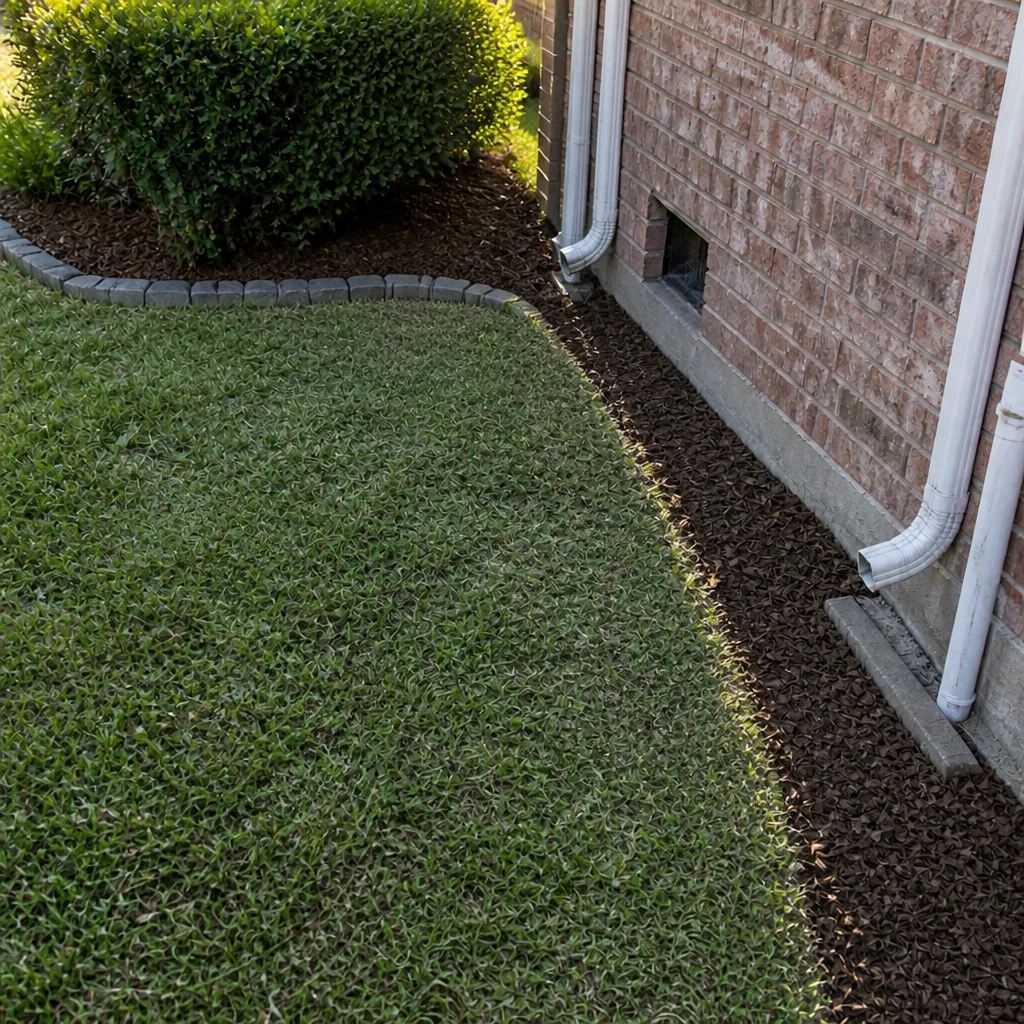 After
When to Call a Professional
Some duct problems are fine to sort out yourself. A clogged filter, a stuck condensate drain, or a room you’ve narrowed to one weak register are all in DIY reach. Call a professional when: you’ve found multiple weak registers with a cold plenum; you’ve found a crushed, disconnected, or delaminated section you can’t reach safely; the musty smell persists the full cycle; you suspect wet insulation; the dryer vent isn’t opening fully or won’t dry a load; or you’ve had a cleaning done and the symptoms returned within a season. Duct Cleaning Allen serves Allen homeowners with free estimates, and we answer 24/7. Call (866) 452-2744. Fast dispatch from 7am to 7pm, Sunday through Friday. We diagnose before we quote, so the fix matches the symptom the first time.
How much does air duct cleaning actually cost in Allen?
Air duct cleaning in Allen typically runs several hundred dollars for a standard single-system home, with larger or more complex systems and dryer vent cleaning quoted as separate line items. We don’t quote per-vent prices, because per-vent pricing is what makes comparison shopping misleading and it’s exactly how the low-coupon bait-and-switch works in this trade. The estimate is free and the written estimate is the price. Call (866) 452-2744 for an exact quote.
Why are some duct cleaning quotes so much cheaper?
Low quotes usually mean either a partial job (a few vents vacuumed while the trunks and plenum are skipped) or a scope that excludes repair and dryer vent work, then adds those separately once the technician is on site. The real comparison is the full scope: main trunks, plenum, every supply and return, and a written estimate that doesn’t change. A quote that seems dramatically lower than the others is usually not the same job. Call (866) 452-2744 for a written estimate you can compare apples to apples.
How do I know the work was actually done?
The simplest safeguard is before-and-after photos of your own ducts, taken at the plenum and at a representative supply and return. Ask for photos as part of the written scope. If a contractor won’t provide them, that’s a reason to keep looking. Call (866) 452-2744 to request the photo documentation up front.
How often does duct cleaning really need doing?
Every few years in most Allen homes, and more often if you have pets, recent remodeling, or a history of moisture in the system. The interval isn’t a fixed schedule; it depends on how dirty your system actually is and whether there’s an ongoing moisture source. A professional inspection tells you the answer. Call (866) 452-2744 to schedule one.
Can dirty ducts cause health problems?
Dirty ducts can worsen symptoms for people with allergies or asthma, but the bigger concern for most homeowners is what’s hiding inside them: a crushed run, a disconnected joint pulling attic air, or wet insulation. The health angle gets oversold in this trade; the comfort and safety angles don’t. That’s why we diagnose the duct structure before we clean. Call (866) 452-2744 for an inspection in Allen.
What’s the difference between cleaning and repair?
Cleaning removes surface contamination from sound ducts. Repair fixes a structural problem (a crushed, disconnected, or delaminated section, or undersized return air) that no amount of cleaning will solve. Most Allen systems that feel wrong have at least one structural problem, so the two services usually go together. Use our dryer vent cleaning service alongside the duct work for a complete safety and comfort check. Call (866) 452-2744 to find out which one your system needs.
The Bottom Line
Most air duct problems in Allen that get blamed on the HVAC system are duct-side issues: contamination, disconnected or crushed runs, undersized return air, or a hidden moisture source. You can narrow the diagnosis yourself with a room-by-room airflow check, a filter inspection, and a look at any accessible duct sections. When the checks point to a professional, the key is getting the sequence right: diagnose first, repair before cleaning, and don’t accept a cleaning-only quote on a system with a structural problem. Our technicians have up to 14 years of experience, and we use professional-grade Rotobrush and Nikro equipment for the cleaning side, with Honeywell and Aprilaire brand components in the air quality infrastructure, because the tools matter for a job done right. Call (866) 452-2744. We answer 24/7. Fast dispatch from 7am to 7pm, Sunday through Friday. Estimates are free, and the written estimate sets the final price.
Written by the team at Duct Cleaning Allen.