
Last updated November 15, 2026
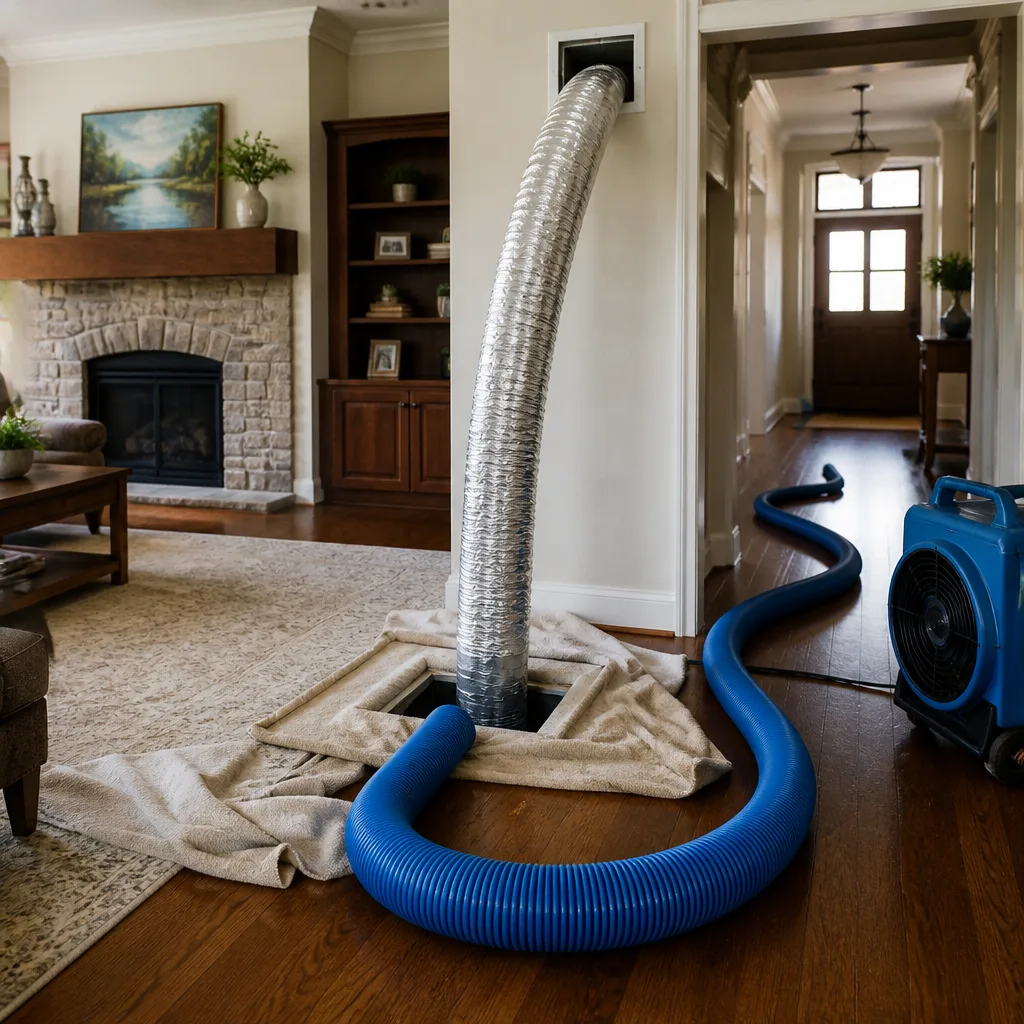 Whole-home duct cleaning
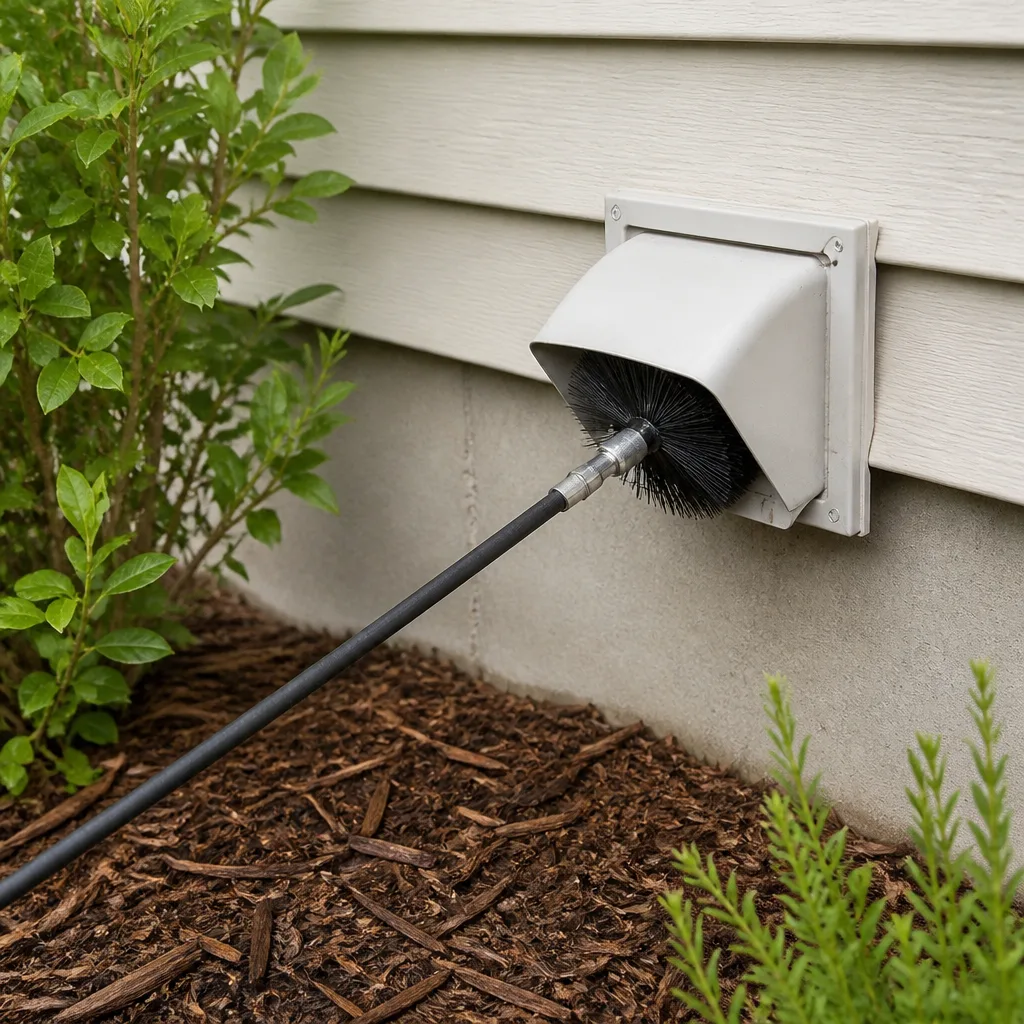 Dryer vent cleaning
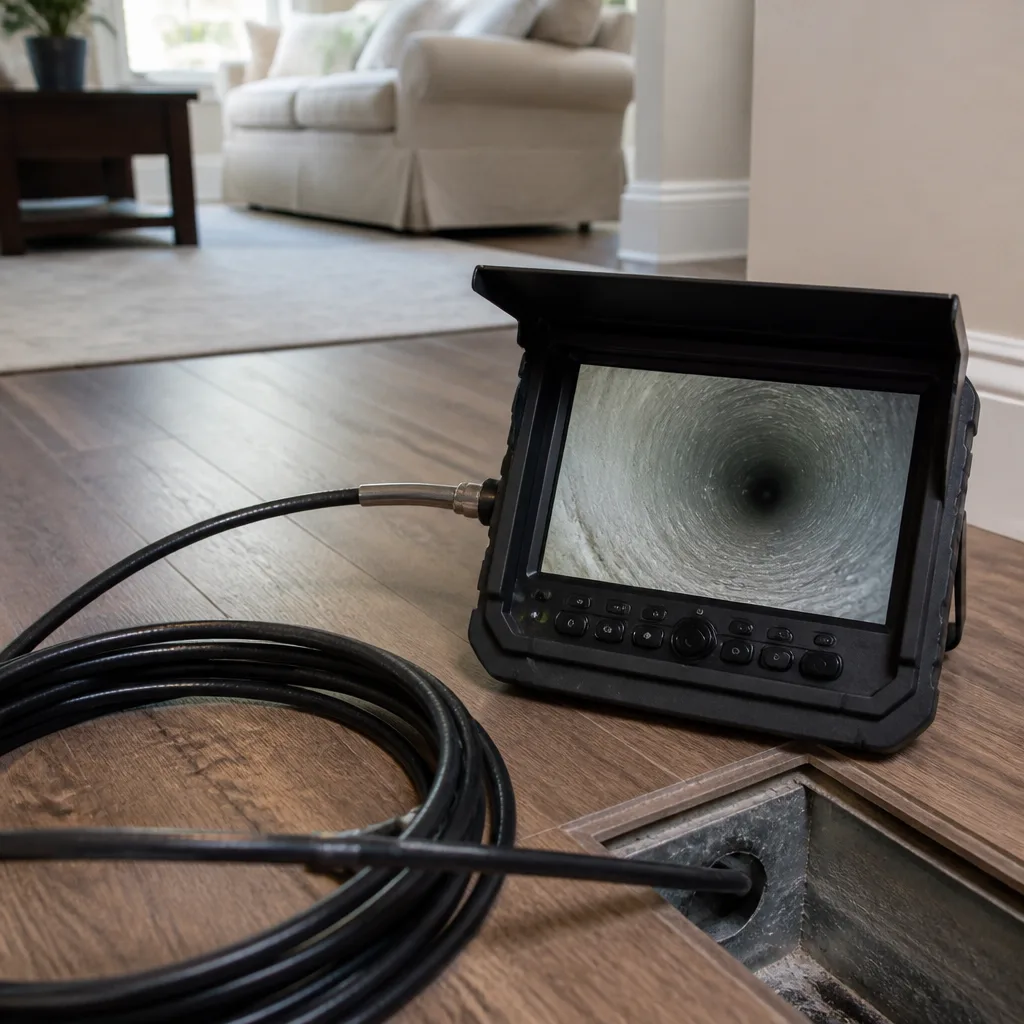 Camera inspection
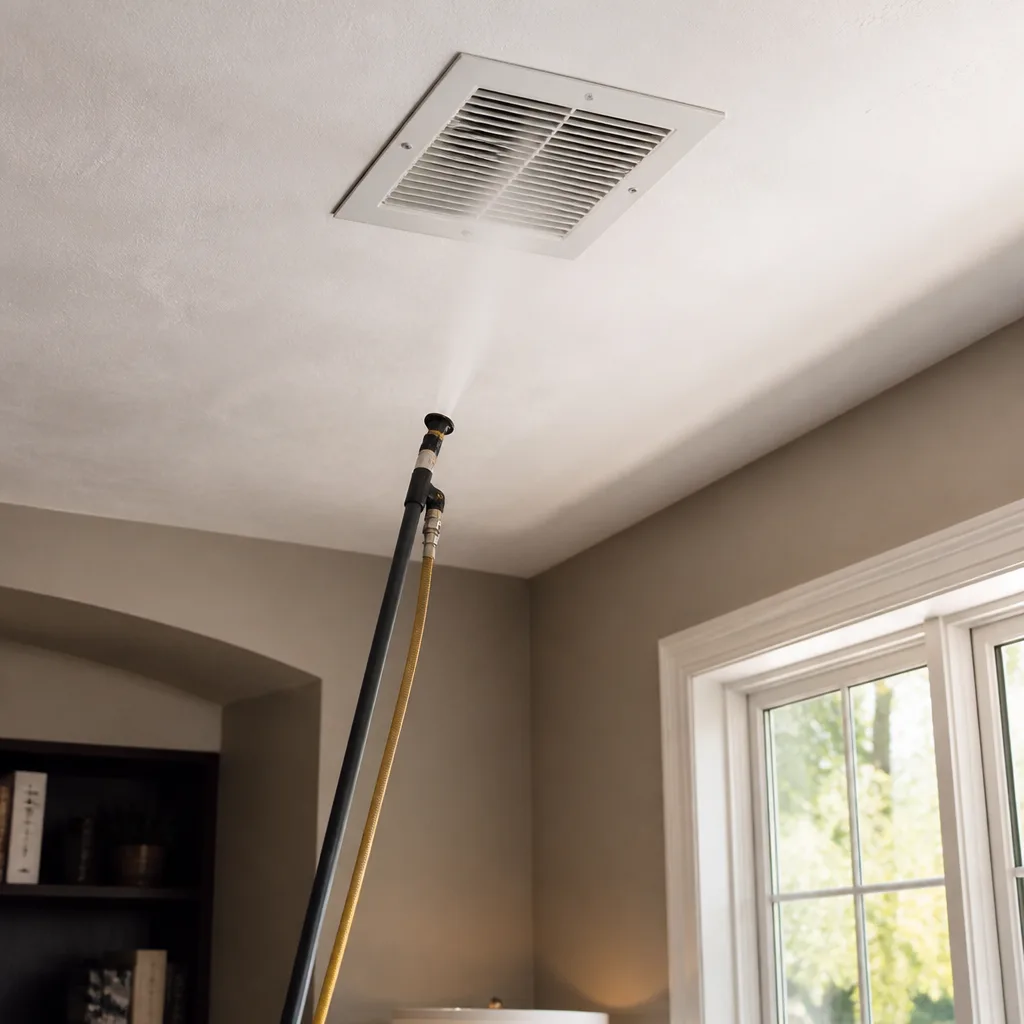 Sanitizing & deodorizing
Whole-system duct and dryer vent check with before-and-after photos - you see exactly what came out of your vents
That "$99 whole-house special" is a bait ad - the real number appears once they are in your hallway, or the "clean" is a shop-vac at the register. We photograph the inside of your ducts before and after instead.
Air Duct Cleaning Maintenance Schedule: What to Do and When
Most duct cleaning advice you’ll find online is written for a generic house in a generic climate. It assumes moderate summers, mild humidity, and an HVAC system that spends half the year idle. None of that describes Allen. Here the cooling system runs hard from April into October, the attic above your ceiling can climb past 150°F on an August afternoon, and spring arrives as a visible yellow-green film of oak pollen on every windshield. A schedule that ignores those facts will underserve your ducts. This guide lays out a maintenance calendar built around North Texas conditions, not national averages, and shows you what you can handle yourself versus what needs professional equipment.
Quick Answer
In Allen, plan on professional air duct cleaning roughly every 3 to 4 years, not the 3 to 5 years you’ll see quoted for milder climates. Add a dryer vent inspection once a year if you have a gas dryer, and step up frequency to every 2 years if anyone in the home has allergies, asthma, or you have pets. The single biggest driver is your filter schedule, which in Allen runs closer to every 60 to 90 days during cooling season rather than the 3-month default on the box.
Styles & brands we work with
- Whole-home duct cleaning
- Dryer vent cleaning
- Camera inspection
- Sanitizing & deodorizing
Table of Contents
- Why Allen’s Climate Changes the Standard Schedule
- Month-by-Month Maintenance Calendar for Allen
- Filter Replacement Benchmarked Against Allen Air Quality
- Dryer Vent Schedule for Gas and Electric Dryers
- Triggers That Override the Standard Schedule
- What You Can Maintain Quarterly vs. What Needs Professional Equipment
- Common Mistakes to Avoid
- Frequently Asked Questions
Why Allen’s Climate Changes the Standard Schedule
The EPA’s “clean as needed” guidance is sound as far as it goes, but it was written without accounting for ductwork that bakes at 150°F through a Dallas-area summer. Attics here routinely exceed that temperature in July and August, and ducts running through that space go through a daily expansion and contraction cycle that a northern climate simply doesn’t produce. That thermal stress accelerates the breakdown of internal duct liner, and once liner starts to fail it sheds fibers into the airstream and gives dust and biological growth a textured surface to cling to.
Humidity matters just as much. Allen sits in a stretch of North Texas where late spring and early fall bring long spells of high humidity. Moisture in the airstream, combined with a cooling coil that stays wet through most of the year, creates conditions where dust that would stay loose in a dry climate instead sticks to duct walls and gradually darkens the inside of the system.
Then there’s pollen. The spring oak pollen peak in this part of Texas is heavy and arrives fast. Your return ducts pull that pollen in along with outside air, and a standard 1-inch filter only catches a portion of it. Whatever gets past the filter lands in the ducts and, over successive seasons, builds a layer that a vacuum wand reaches far more effectively than a homeowner filter ever will.
The practical result: a home in Allen accumulates duct contamination faster than the national average the industry quotes. That’s the reasoning behind the compressed schedule you’ll find throughout this guide, and it’s the same reasoning we bring to every air duct cleaning job we handle. If you’ve been running a 5-year cleaning cycle because a website told you to, you’re likely behind.
Month-by-Month Maintenance Calendar for Allen
This calendar ties maintenance to the seasonal events that actually drive contamination here. It’s not a rigid rulebook, but it gives you a rhythm that matches how the system works through a North Texas year.
- January – February (heating startup and midwinter). Check the filter at the start of the heating season. The first heat-up pushes settled dust off the heat exchanger and through the ducts, which is why some homes smell faintly musty the first time the furnace runs. If that smell lingers past a day or two, it’s a sign the ducts need attention.
- March – April (spring pollen peak). Oak pollen hits hard and fast. Change the filter more often through this window, and watch for a visible dust film on return grilles. This is the best time of year to schedule a professional cleaning if it’s due, because you clear the pollen load before cooling season locks in.
- May – June (mode switch to cooling). When the AC takes over, the coil stays wet and the system starts pulling humid air. Check for condensation around the air handler and any soft spots in duct insulation in the attic.
- July – August (attic heat stress). Attic temperatures peak. This is when failing duct liner, loose joints, and disintegrating flex duct show themselves. Listen for rattling or whistling and watch for rising energy bills that don’t match the weather.
- September – October (fall HVAC mode switch). The system transitions back toward heating. Have the ducts and the air handler checked if you noticed uneven airflow or dust through the summer.
- November – December (pre-heating inspection). Check the filter, look for any cold spots at registers, and confirm the dryer vent is clear before the heavy laundry season of the holidays.
If you want a single anchor point for the year, use early spring. In Allen, that timing clears the pollen load and sets the system up for the long cooling season. Call Duct Cleaning Allen in March or April and you’ll be ahead of the summer heat rather than chasing it.
Filter Replacement Benchmarked Against Allen Air Quality
Here’s a number worth trusting over the filter box: in Allen, change your filter every 60 to 90 days during cooling season, and every 90 days the rest of the year. Most 1-inch filters carry a “3 months” recommendation printed on the package, and that figure assumes moderate dust loads. North Texas has a longer cooling season, higher pollen counts in spring, and attic air that pulls fine dust into the return continuously. A filter that looks fine at 60 days is often already loaded.
How to judge rather than guess: hold the filter up to a light source. If you can’t see through it, it’s done. Don’t wait for the calendar to tell you.
- Basic 1-inch fiberglass filters: change every 60 days in Allen. These catch the least, so they load fastest.
- Pleated 1-inch filters (Honeywell and similar): every 60 to 90 days. A reasonable balance for most Allen homes.
- Thick media filters and Aprilaire-style cabinets: every 6 to 12 months depending on rating and household. Easier on airflow and cost less over a year than frequent cheap swaps.
- Homes with pets or allergy sufferers: shorten every interval above by a couple of weeks. Pets shed continuously, and dander behaves like fine dust.
Filter quality shapes duct condition over time. A better filter removes more before it reaches the ducts, which extends the interval between cleanings. We work with Honeywell and Aprilaire filtration because they’re proven names in residential air quality and because a good filter is doing half the maintenance job for you. Pair a good filter with a duct cleaning on the 3-to-4-year rhythm and the system stays far cleaner than filter changes alone would manage.
Dryer Vent Schedule for Gas and Electric Dryers
Dryer vent cleaning is separate from duct cleaning, and it should sit on its own schedule. If you have a gas dryer, get the vent inspected and cleaned once a year without exception. Gas dryers carry a higher fire risk because the vent handles both lint and combustion byproducts, and lint buildup in a gas vent is a documented cause of residential house fires, not just a comfort issue.
For an electric dryer, once every year to 18 months is reasonable for a typical Allen household. Step up to every 12 months if any of these apply:
- You run several loads a week.
- Laundry loads take noticeably longer to dry than they used to.
- The dryer exterior feels hot to the touch mid-cycle.
- You notice a burning or musty smell near the dryer.
- The vent run is long or has multiple elbows.
Signs the vent is restricting airflow: clothes come out damp after a full cycle, the outside vent flap doesn’t open fully when the dryer runs, or there’s visible lint around the vent connection. Any of those means the vent needs cleaning now, not on the next scheduled date.
Schedule the dryer vent cleaning on its own cadence rather than bundling it into the duct cleaning visit. They run on different clocks, and treating them as one job on one date means one of them usually gets skipped.
Triggers That Override the Standard Schedule
Any of these events means you clean sooner than the standard 3-to-4-year cycle, regardless of when the last cleaning happened.
- Home renovation. Drywall dust is the worst offender. Sanding, demolition, and cutting generate fine particulate that travels through the entire house and settles in the return system. Clean the ducts after the renovation dust has settled, not before.
- Rodent intrusion. If you’ve seen droppings, heard scratching in walls or ceilings, or found gnaw marks near vents, the ducts need professional attention and sanitation. Rodent activity in ductwork is a contamination problem, not just a cleaning issue, and it’s a common trigger in Allen homes backing onto greenbelt or wooded lots.
- Flooding or water intrusion. Any water that reached the HVAC system or its ductwork needs prompt attention, because moisture inside ducts drives biological growth quickly in a humid climate. Don’t just dry the floor and move on.
- A new pet. Dander and hair load the system, and the shedding pattern of a large dog is very different from an empty house. Reassess the schedule when a pet joins the household and shorten the interval if you notice dusty registers.
- A lingering musty or stale smell. If the smell is there regardless of season, the source is likely inside the system. Natural cleaning products and air fresheners don’t solve it.
- Visible dust at every supply register, or a dark ring around the return. This means contamination is already reaching the living space.
If any of those triggers apply, treat the cleaning as due. Don’t wait for the calendar to catch up.
What You Can Maintain Quarterly vs. What Needs Professional Equipment
You can handle a useful portion of duct maintenance yourself. The rest genuinely needs professional equipment, and it’s worth understanding which is which.
Quarterly homeowner tasks
- Replace or check the filter. The single highest-impact habit, and the one most often skipped.
- Vacuum supply and return grilles. A brush attachment on your vacuum clears the surface dust that collects on grille faces.
- Wipe registers and check the seal. Loose or rattling grilles let unfiltered air bypass the filter.
- Look at the outdoor vent flap on the dryer. Confirm it opens when the dryer runs.
- Look inside a return with a flashlight. A clear view of the duct walls past the grille tells you a lot about general condition.
What requires professional equipment
Surface cleaning at the grille is easy. Actually cleaning the interior of the ducts, the trunk lines, the plenum, and the air handler is a different job. Consumer vacuum attachments don’t generate the airflow or the reach to pull contamination off duct walls. Professional systems like Rotobrush and Nikro use contact agitation combined with high-volume negative pressure, which is what actually removes the bonded layer that a household vacuum cannot touch. Abatement Technologies equipment plays a similar role in containment and negative air, keeping released particulate out of the living space.
This is also why duct repair is part of the picture. If the cleaning reveals failed liner, disconnected joints, or crushed flex duct, the job isn’t done until that’s fixed. In our experience, a meaningful share of Allen homes we inspect have at least one duct problem that cleaning alone won’t solve. That’s what separates a repair-capable company from one that only cleans around the problem. The full scope, from cleaning through repair, is covered on our Allen service page.
See the difference
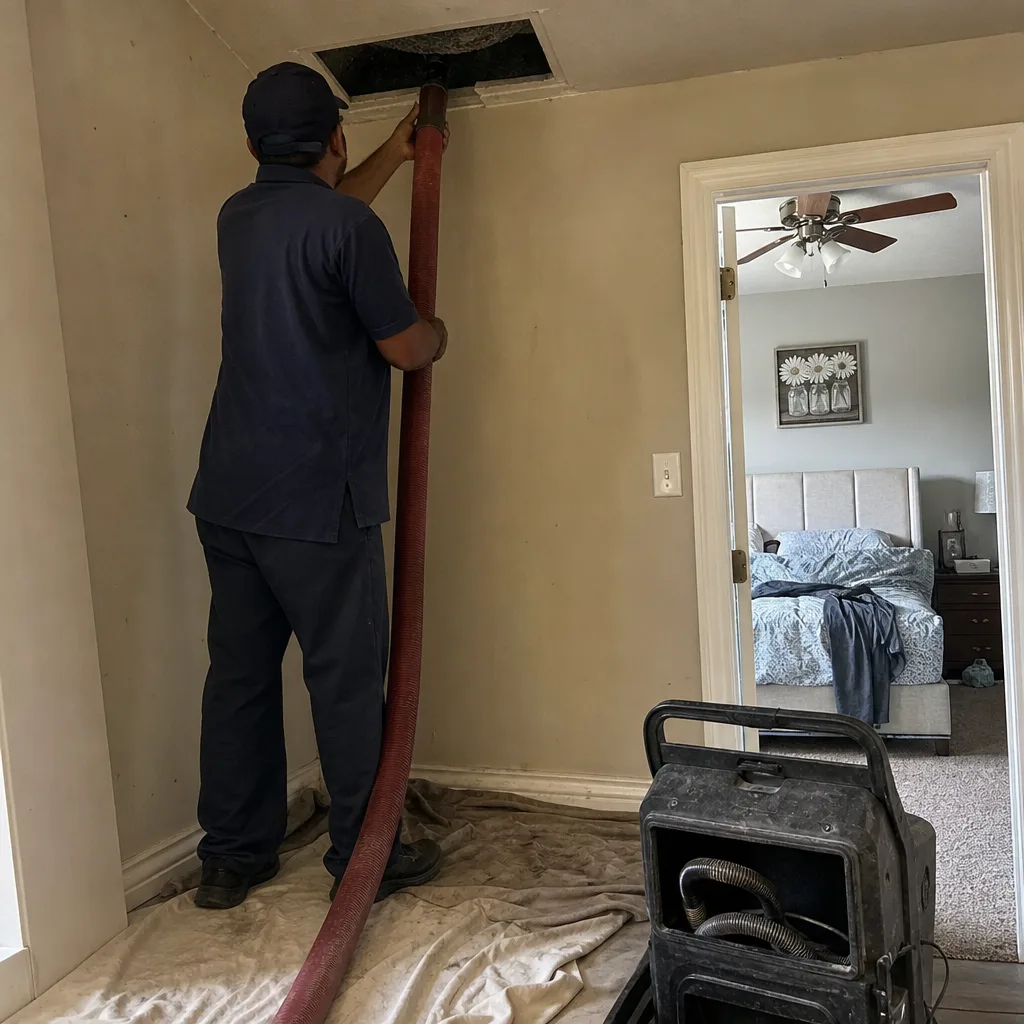 Before
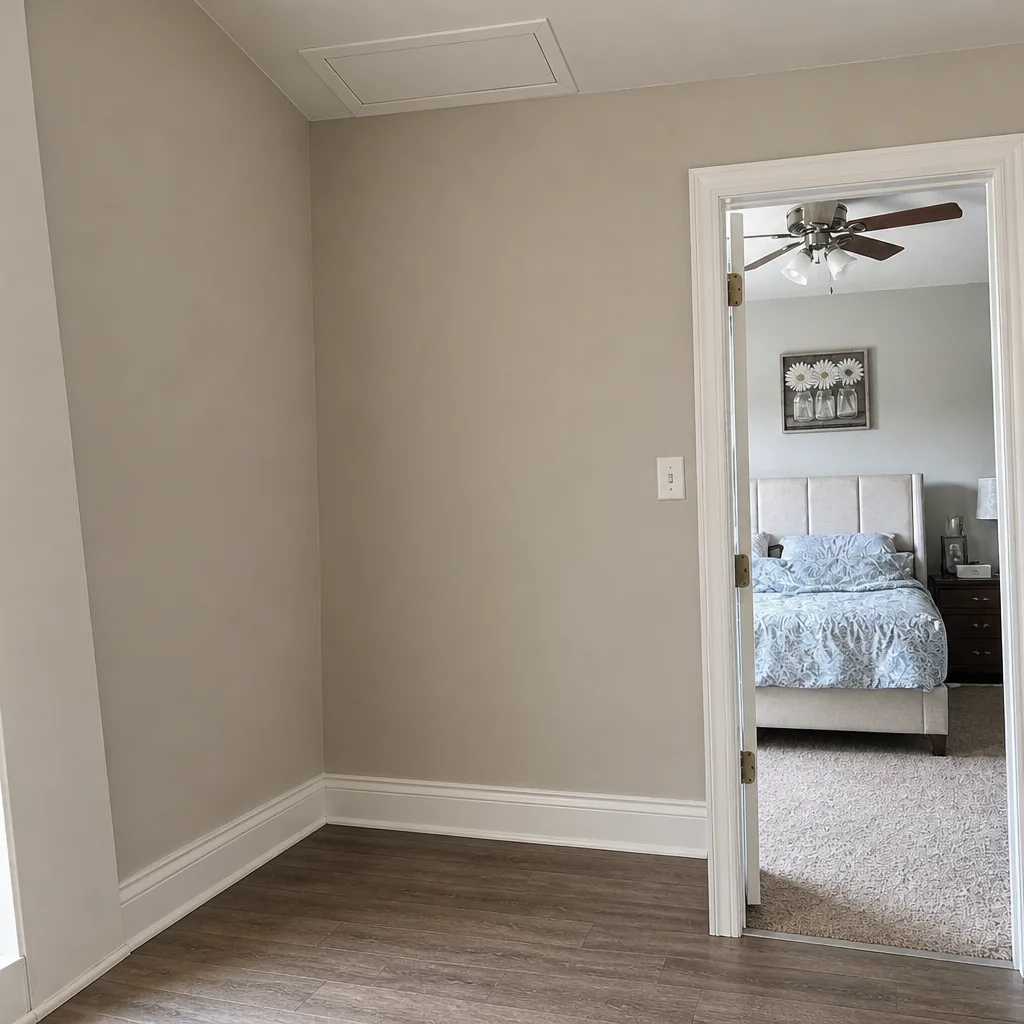 After
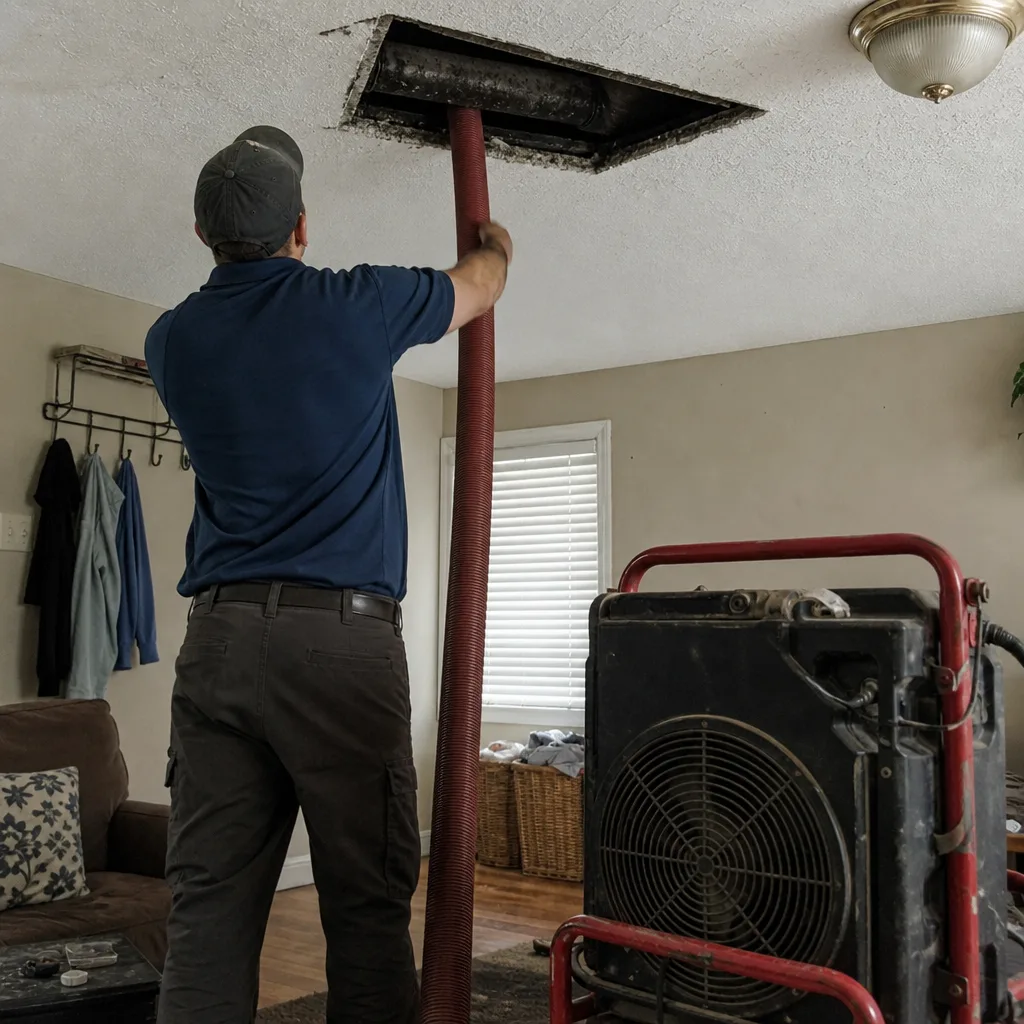 Before
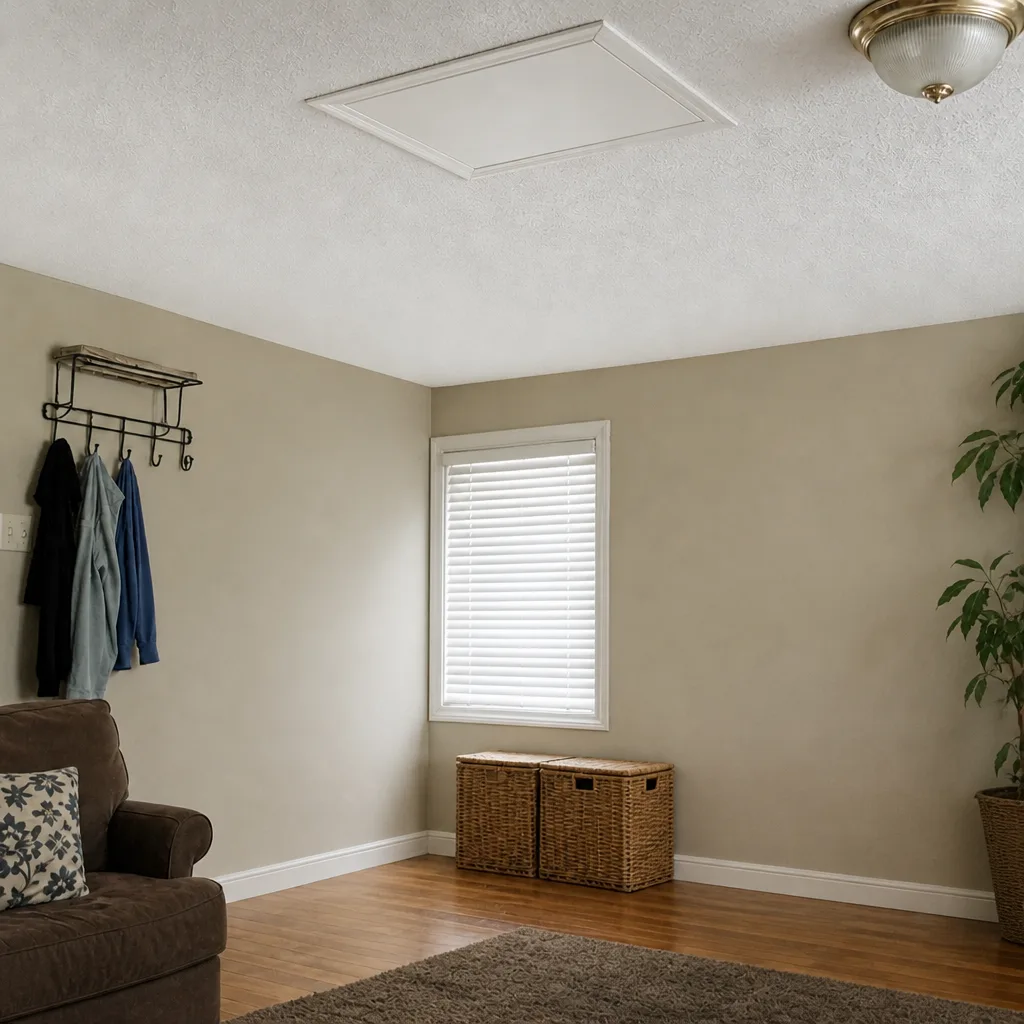 After
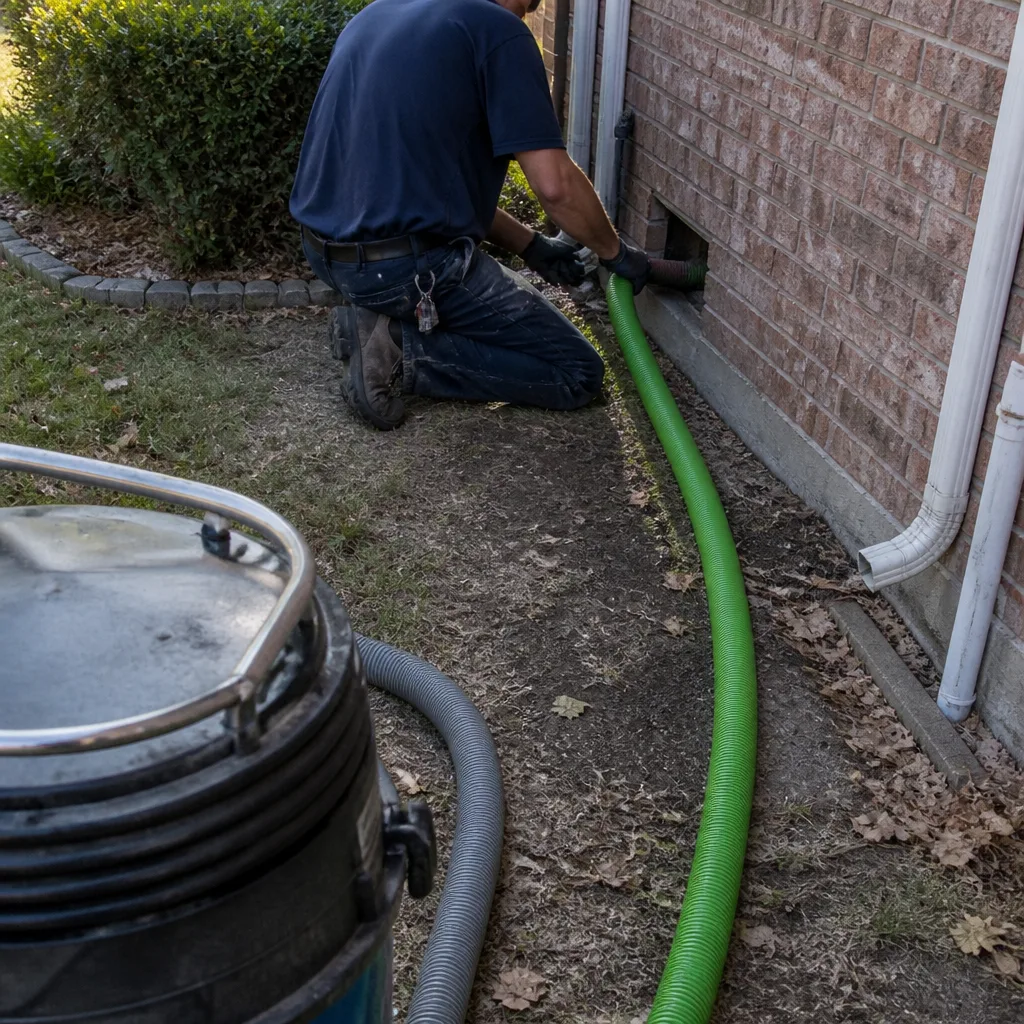 Before
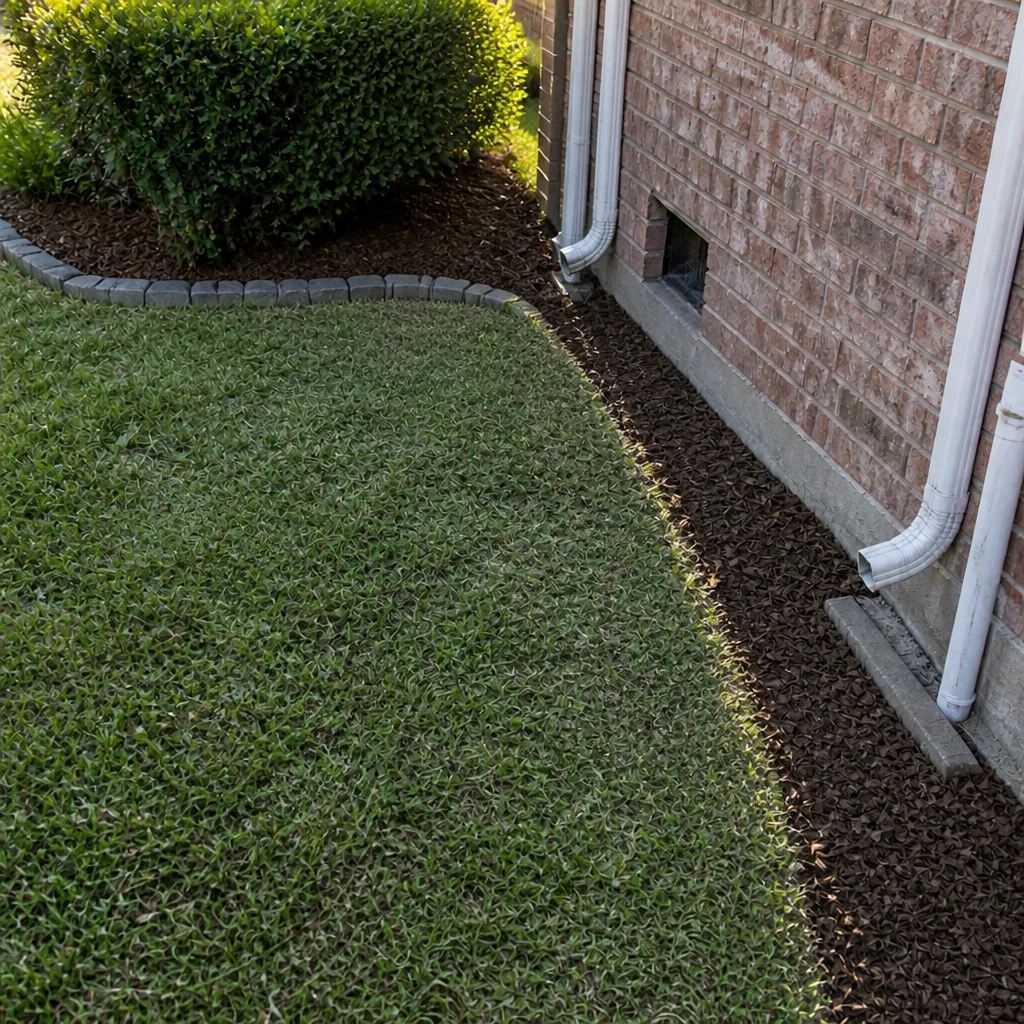 After
Common Mistakes to Avoid
- Following the 5-year national average. It underserves an Allen home. The climate here loads the system faster, and waiting five years means cleaning a dirtier system at higher cost.
- Judging filters by the printed interval alone. Check the filter physically instead. In Allen’s cooling season, 3 months is often too long.
- Skipping the dryer vent because the dryer still works. A dryer that runs but takes too long to dry is often a restricted vent, and the safety concern is lint buildup, not just slow loads.
- Cleaning during renovation instead of after. Cleaning mid-renovation means recontaminating the ducts as the dust settles.
- Assuming a cheap tumble-and-go clean is a full clean. Surface cleaning that misses the trunk lines and air handler leaves most of the contamination in place.
- Ignoring the attic in summer. Attic duct problems (broken liner, disconnected sections) are invisible from inside the house and are the most common cause of unexplained energy bill spikes in Allen.
- Treating duct repair as optional. Cleaning around a broken connection or failed liner just means the contamination returns.
When to Call a Professional
Call us when any of the following apply: it’s been 3 to 4 years since the last cleaning; someone in the home has allergies or asthma that seem tied to time indoors; you’ve had a renovation, a rodent problem, or water intrusion; there’s a persistent musty smell you can’t trace; or your registers show visible dust even after a filter change. Also call if you have a gas dryer and can’t remember the last time the vent was cleaned, or if a dirty laundry load is taking longer than it should.
Duct Cleaning Allen offers free estimates in Allen. Call (866) 452-2744. We answer 24/7. Fast dispatch from 7am to 7pm, Sunday through Friday. The price is set per job by the written estimate agreed before work begins, and our technicians have up to 14 years of experience.
Frequently Asked Questions
Every 3 to 4 years for a typical Allen home, and every 2 years if anyone has allergies or asthma, or if you have pets. Allen’s climate (high humidity, heavy spring pollen, and attic temperatures above 150°F in summer) loads ductwork faster than the national average the industry quotes. If it’s been longer than that, treat it as due. Call (866) 452-2744 for an exact quote; estimates are free.
It’s a legitimate maintenance interval, but the 3-to-5-year figure is a national average that doesn’t quite fit Allen. Here, the honest answer leans toward the shorter end of that range because of the cooling season length, the pollen peak, and the heat in the attic. Cleaning is maintenance, not a cure-all. If your filters are good and the ducts are clean, you may not need it as often. Call us for an honest assessment rather than a hard sell; estimates are free.
We don’t quote a number over the phone because the price depends on the size and layout of your system. We set one flat price per system, agreed in writing before work starts, and we never price per vent. That structure exists to prevent the bait-and-switch you’ve probably heard about, where a low advertised figure turns into a larger invoice once the technician is on site. Call (866) 452-2744 for an exact quote; estimates are free.
Usually because the quote doesn’t cover the whole system. A low price often means surface cleaning of the registers only, skipping the trunk lines, the air handler, and the attic runs. Real cleaning requires contact agitation and high-volume negative pressure (the equipment brands we use, Rotobrush and Nikro, are built for exactly that), and a company that can also repair failed liner or disconnected joints. If a quote is dramatically lower than the others, ask exactly what’s included. Call (866) 452-2744 and we’ll walk you through the scope; estimates are free.
Ask for before-and-after photos of your own ducts. We take them as a standard part of the job, and if a company can’t show you what they removed, that’s a red flag. Call (866) 452-2744 for an exact quote; estimates are free.
No, they run on different schedules and should be planned separately. The dryer vent needs attention once a year for a gas dryer and once every 12 to 18 months for electric, while the ducts run on a 3-to-4-year cycle. Treating them as one annual event usually means one gets skipped. Call (866) 452-2744 to schedule either job on its own; estimates are free.
The Bottom Line
Air duct cleaning in Allen runs on a tighter schedule than the national average suggests. Plan on cleaning every 3 to 4 years, every 2 with allergies or pets, and clean sooner whenever a renovation, rodent issue, water intrusion, or a new pet resets the clock. Change filters every 60 to 90 days during cooling season. Keep the dryer vent on its own annual clock, especially with a gas dryer. Handle the quarterly grille-and-filter tasks yourself, and let professional equipment reach the trunk lines, air handler, and attic runs. That combination keeps the system efficient, the air cleaner, and the safety risks low.
Ready to get on a schedule that fits an Allen home? Call (866) 452-2744 for a free estimate. We answer 24/7. Fast dispatch from 7am to 7pm, Sunday through Friday. One flat price per system, agreed before work starts, with before-and-after photos of your own ducts.
Written by the team at Duct Cleaning Allen.