
Last updated November 15, 2026
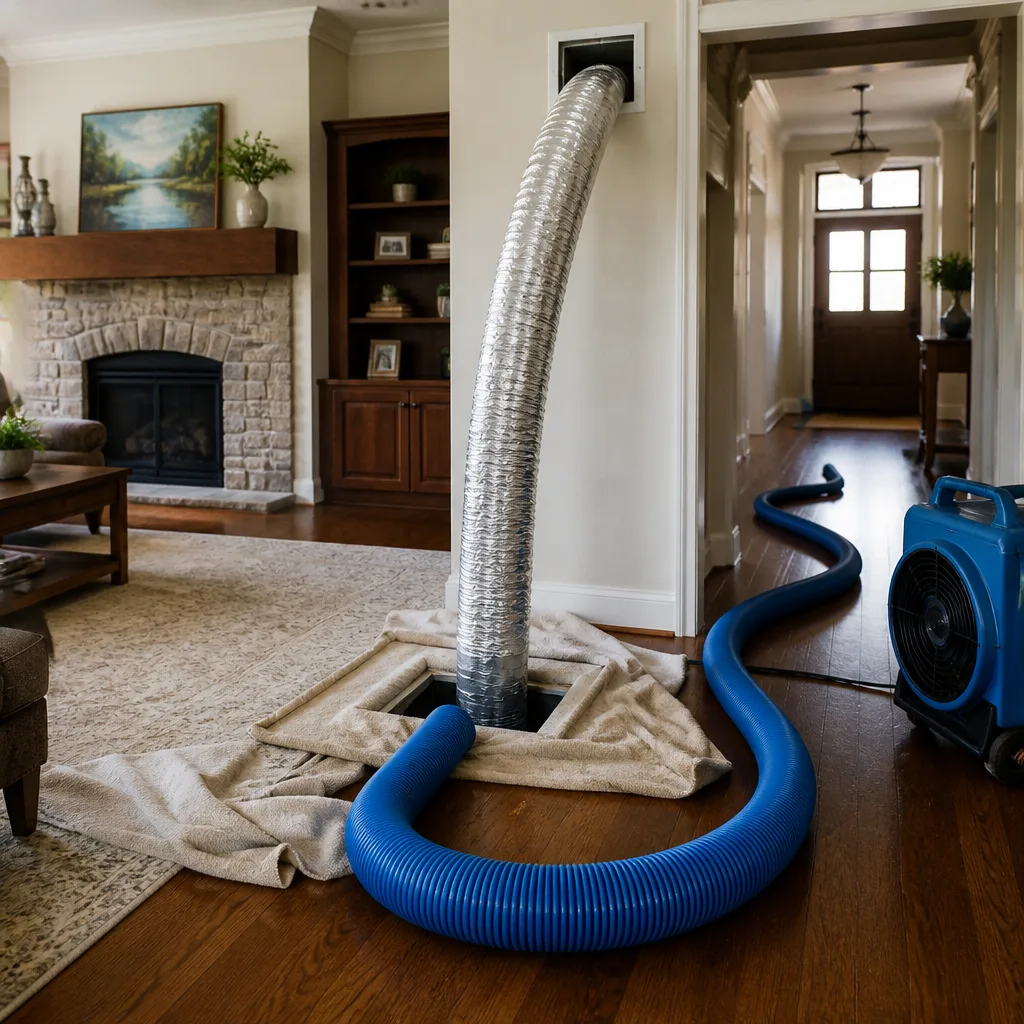 Whole-home duct cleaning
 Dryer vent cleaning
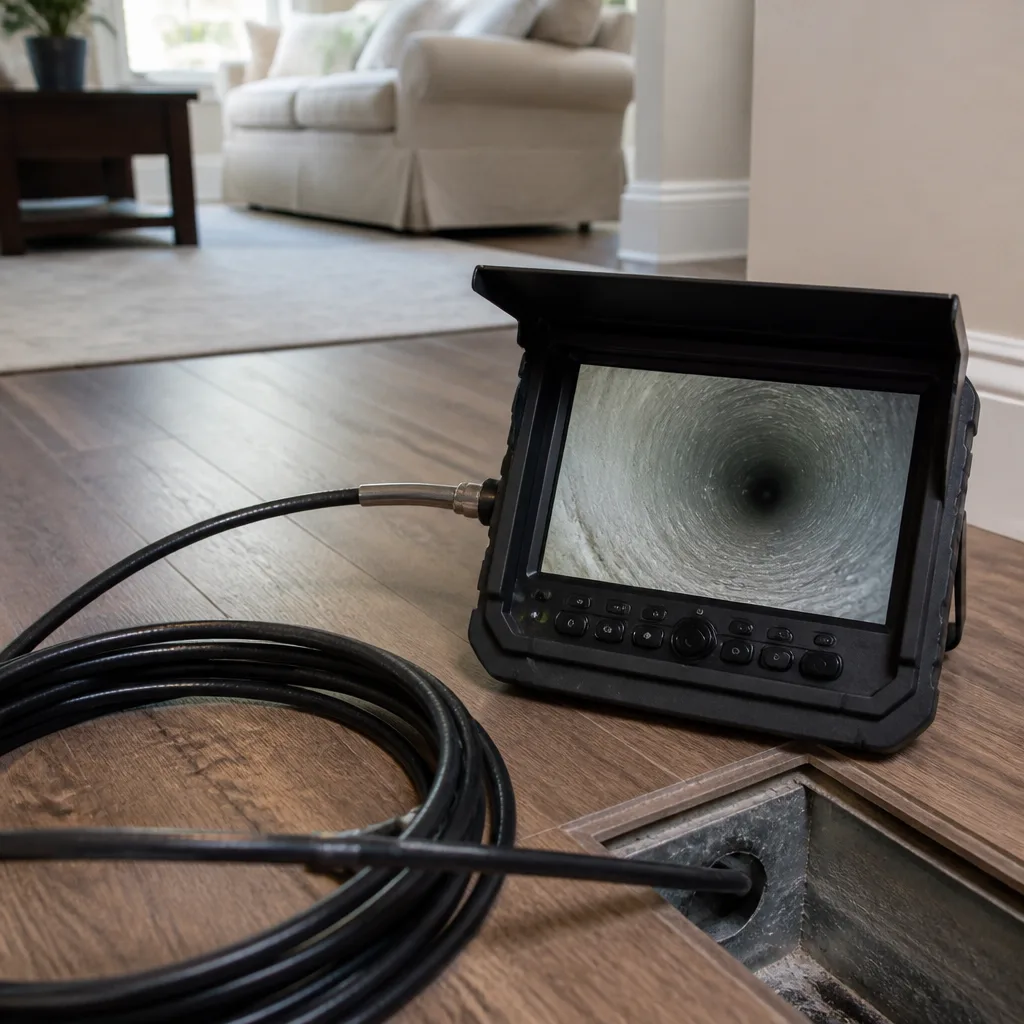 Camera inspection
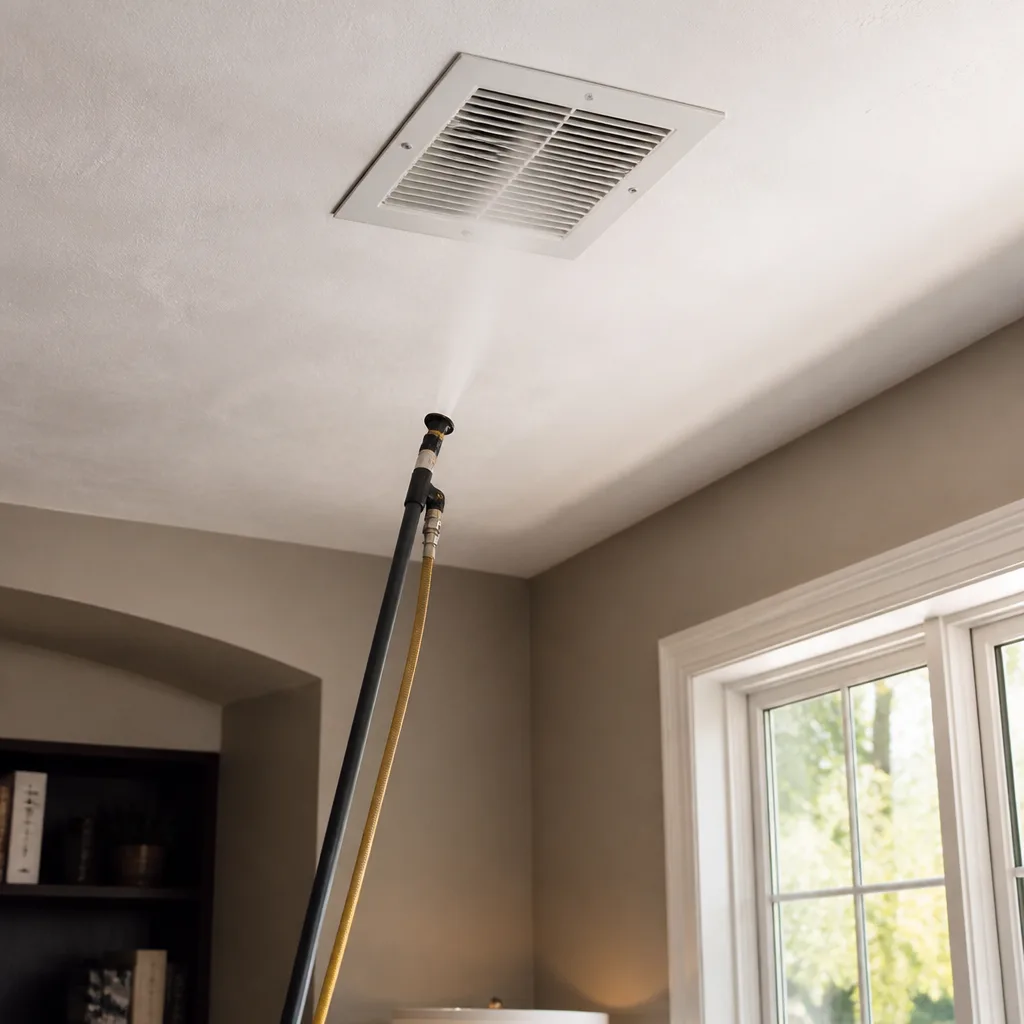 Sanitizing & deodorizing
Whole-system duct and dryer vent check with before-and-after photos - you see exactly what came out of your vents
That "$99 whole-house special" is a bait ad - the real number appears once they are in your hallway, or the "clean" is a shop-vac at the register. We photograph the inside of your ducts before and after instead.
Air Duct Cleaning Permits, Codes & Inspections in Allen, TX: What You Need to Know
Most Allen homeowners assume duct cleaning is entirely unregulated, and for a straight cleaning job, they’re right. No permit is filed when a technician runs a negative-air machine and a rotary brush through your ductwork. But duct sealing, liner replacement, adding an access panel, or any structural change to the duct system is a different conversation with the City of Allen’s building department. The line between maintenance and modification is where liability lives, and most homeowners never think to ask which side of it a contractor is standing on. This guide walks you through what the Texas Mechanical Code actually covers, when a permit applies in Allen, and what to document even on a job that needs no permit at all.
Quick Answer
Routine air duct cleaning in Allen, TX does not require a permit, because it’s classified as maintenance. The moment a contractor cuts into ductwork, installs a new access panel, replaces flex duct runs, applies sealant to joints, or rebuilds a damaged section, the work falls under Texas Mechanical Code Chapter 6 and generally requires a permit from the City of Allen’s building department. Duct repair done as part of mold remediation triggers separate inspection requirements, and mixing cleaning with licensed mechanical work without the right credentials is a real liability problem. Our technicians have up to 14 years of experience, and we can tell you before work starts which category your job falls into.
Styles & brands we work with
- Whole-home duct cleaning
- Dryer vent cleaning
- Camera inspection
- Sanitizing & deodorizing
Table of Contents
- Where the Permit Line Sits in Allen
- What Texas Mechanical Code Chapter 6 Actually Covers
- How the City of Allen Building Department Handles Duct Permits
- Duct Repair After Mold Remediation: The Extra Inspection Layer
- Cleaning Scope vs. Licensed HVAC Scope
- What to Document Even When No Permit Is Required
- How This Affects a Resale Disclosure in Allen
- How a Duct Inspection Actually Runs
Where the Permit Line Sits in Allen
The permit line between cleaning and construction is not always obvious, and it depends on what the technician physically does to the duct system. Cleaning removes contamination. Construction changes the system’s physical makeup or its air-sealing characteristics. Allen’s building department cares about the second category because ductwork is part of the mechanical system that a home’s certificate of occupancy depends on.
Here’s how the split usually falls:
- No permit: source removal cleaning with negative air and rotary tools, sanitizing, coil cleaning, register and grille cleaning, dryer vent cleaning where no duct is altered.
- Permit generally required: cutting in a new access panel, replacing a section of flex or rigid duct, changing duct size or routing, applying mastic or aerosol sealant as a permanent repair, reconnecting a disconnected run, or replacing duct board with insulated flex.
- Gray area that needs a call: small sealed repairs to a tear, re-taping a joint that failed, or re-hanging sagging flex. Whether these need a permit depends on scope, and it’s worth a phone call to the city rather than an assumption.
What matters for homeowners is that a cleaning company shouldn’t be doing the second category without the credentials to pull a permit. Duct Cleaning Allen keeps its scope clean: we clean, we repair, and when a job needs a licensed mechanical contractor and a permit, we tell you so before anyone touches your ductwork. That distinction protects you when you sell the house. If your ducts are already compromised, start with air duct cleaning to see what’s actually inside before deciding on repairs.
What Texas Mechanical Code Chapter 6 Actually Covers
Texas Mechanical Code Chapter 6 addresses duct systems, and it governs installation, materials, sealing, support, and clearances. Most of what it says applies to new construction and to modifications of an existing system. Routine maintenance, including cleaning, sits outside the code’s scope because nothing about the system’s design or materials changes.
The provisions that come up most on residential duct work in Allen:
- Sealing requirements. Joints, seams, and connections must be sealed to limit air leakage. When a technician adds a new run or replaces a section, the code requires it be sealed to a defined standard, not just taped and forgotten.
- Material standards. Duct material must meet specific ratings for flame spread and smoke development. Substituting unrated flex or duct board in a repair is a code violation, even if the homeowner never notices.
- Support and sag limits. Flex duct must be supported at defined intervals and cannot sag beyond a set amount. Sagging runs crush airflow, and code writers knew it.
- Clearance to combustibles. Ducts passing near heat sources or through certain assemblies require specific clearances. A repair that ignores clearance can create a real hazard.
- Access. The code addresses how duct components that need service are accessed. This is why a new access panel is often the right call, and why installing one is also a permit question.
For a homeowner, the practical takeaway is this: the code isn’t really aimed at you, it’s aimed at whoever modifies the system. If a contractor is quoting a repair that involves any of the above, ask directly whether the job needs a permit and who’s pulling it. Our technicians have up to 14 years of experience working around these rules, and we can explain what a given repair requires before you commit. If you need work done across the metro, our Allen page covers how we handle local jobs.
How the City of Allen Building Department Handles Duct Permits
The City of Allen’s building department is the local authority that reviews mechanical permits for residential work. For a duct repair that qualifies as a modification, the permit normally gets pulled by the licensed mechanical contractor doing the work. That’s not a technicality. It’s the mechanism that gets the installation inspected and puts a record in the public file for the property.
Here’s how a typical duct-related permit runs:
- Scope determination. The contractor determines whether the work qualifies as a modification that needs a permit. If you’re unsure, call the building department and describe what’s being done. A five-minute call beats a surprise.
- Application. The contractor files a mechanical permit with the scope of work, the duct material, and the system component involved.
- Review. The city reviews for compliance with the adopted mechanical code and any local amendments.
- Work performed. The repair is done to the approved scope, with specified materials.
- Inspection. An inspector checks the installed work. If it doesn’t pass, the correction happens before the permit closes.
- Closeout. The permit is closed, and there’s a record on the property.
A straight cleaning job skips all of this, which is why reputable cleaning companies don’t charge permit fees on routine work. If someone quotes you a permit fee for a standard duct cleaning Allen job, ask what’s actually being modified. There’s usually a misunderstanding, and sometimes it’s a red flag.
Duct Repair After Mold Remediation: The Extra Inspection Layer
When duct repair follows mold remediation in Allen, the job picks up additional inspection requirements beyond the mechanical scope. Ductwork that had active mold growth inside it usually can’t simply be cleaned and returned to service if the liner or the insulation is compromised. That’s when replacement or major repair becomes necessary, and when the remediation itself is subject to documentation requirements.
What changes in this scenario:
- Containment matters. Duct repair on system components that had mold growth requires containment measures so disturbed material doesn’t migrate into living space. This is where professional negative air equipment, of the type Abatement Technologies makes, is a meaningful part of the job, not a premium upgrade.
- Clearance documentation. Remediation work typically requires documentation that the affected area is clean before rebuilding. Some work also requires third-party verification. The specific requirement depends on the project and should be confirmed with the contractor and, where applicable, the city.
- Replacement standard. Porous duct material that can’t be cleaned to standard is generally removed and replaced. That means the replacement is a mechanical modification, which means a permit and inspection on top of the remediation documentation.
- Filtration review. After remediation, filter and air handler components are often part of the conversation. Honeywell and Aprilaire filtration media come into play here because the right filter rating matters for keeping a clean system clean.
This is the scenario where the difference between a cleaning company and someone who actually understands the full scope becomes obvious. A clean-only crew can vacuum a duct system. Rebuilding it correctly after remediation is a different job, and the inspection requirements reflect that.
Cleaning Scope vs. Licensed HVAC Scope
The single biggest confusion we run into in Allen is the belief that anyone with duct cleaning equipment can do duct repair. Cleaning and repair are related, but they carry different liability. Cleaning is a maintenance activity. Duct repair, when it modifies the system, is mechanical work, and in Texas mechanical work generally requires a licensed contractor.
The practical distinctions:
- A cleaning company’s scope: source removal, sanitizing, dryer vent cleaning, inspection with a camera, and identifying problems so the homeowner can decide on next steps.
- A licensed HVAC contractor’s scope: modifying, replacing, or designing the duct system, pulling the permit, and being responsible for the work passing inspection.
- Where they overlap: minor repairs that don’t modify the system. The exact boundary depends on scope, and it’s worth confirming before work starts.
- The liability problem: if an unlicensed company cuts into your ductwork, pulls a permit it’s not entitled to pull, or makes a modification that fails inspection, you can be left holding the problem at resale. The city record shows the address, not who stood behind the work.
Duct Cleaning Allen handles air duct cleaning, dryer vent cleaning, and air duct repair, and we can find the problem and fix it ourselves rather than clean around it. When a repair crosses into licensed mechanical scope and needs a permit, we tell you. That’s the honest version of the line, and it’s the version that protects you at resale. If you’re weighing whether to clean first or repair first, ask before spending anything.
What to Document Even When No Permit Is Required
A permit-exempt cleaning job still benefits from a paper trail, and most homeowners skip this step. The reason it matters isn’t regulatory. It’s that Allen is a resale market, and buyers ask questions about the mechanical systems. Documentation from a cleaning job answers those questions in minutes instead of days.
What to keep on file:
- Before-and-after photos of your own ducts. Not generic stock images. Your ducts. Photos are the single best proof a job was done, and they answer the “was it actually cleaned” question a buyer will absolutely ask.
- A scope of work written on the invoice. The invoice should name what was cleaned, what was inspected, and what was found. Vague invoices with a single line item tell a buyer nothing.
- Any deficiencies noted but not corrected. If the technician found a disconnected run or a sagging section, that finding needs to be documented so it doesn’t become a surprise later.
- Filter and component details. Recording what filtration equipment you have, whether it’s Honeywell, Aprilaire, or another system, means the next owner knows what to buy.
- Camera inspection footage if available. Interior footage is the closest thing to a diagnostic record for a duct system, and it’s the strongest evidence you’ll have.
Our team provides before-and-after photos of your ducts on every job, at one flat price per system agreed before work starts. No per-vent pricing and no coupon that turns into a bigger invoice once the technician is on site. That’s the standard we hold our repairs to, and it should be the standard you expect. If you want a written estimate, call (866) 452-2744. We answer 24/7. Fast dispatch from 7am to 7pm, Sunday through Friday. Estimates are free.
How This Affects a Resale Disclosure in Allen
Duct work shows up on a Texas seller’s disclosure when it’s a modification made to the property. Cleaning typically doesn’t appear there because nothing about the property changed. Repairs and replacements do, and so does any permit that was pulled. A buyer’s inspector will look at the mechanical system, and if a permit shows a repair, the buyer will want to know it passed inspection.
What matters for sellers and buyers in Allen:
- Permits don’t go away. If a mechanical permit was pulled for duct repair at your address, it’s part of the property’s public record. A buyer who pulls the file sees it. That’s usually fine as long as it closed cleanly.
- Unpermitted repair is a real negotiation problem. If a modification was made without a permit, a buyer can ask for it to be permitted retroactively, which can mean opening a wall or removing the work to inspect it. That’s an expensive path.
- Cleaning records shorten the conversation. A clean invoice with photos and a scoped work description answers the “when was the ductwork last serviced” question without a follow-up.
- Disclosure paperwork reflects what you know. If a technician told you a run was disconnected and you never fixed it, that’s a known issue that belongs on a disclosure. Documenting it early is the honest way to handle it.
Whose name is on the permit matters less at resale than whether a permit exists and closed. That’s why the earlier question matters: ask any contractor whether they’re licensed to pull a mechanical permit on duct repair. If the answer is unclear, that’s your answer. Get the scope question settled in writing before the work begins and keep the paperwork. Our technicians have up to 14 years of experience, and they’ll tell you what category a job falls into before it starts.
How a Duct Inspection Actually Runs
A duct inspection in Allen is a systematic walk-through of the system, from the air handler to the registers. The point isn’t to find work, it’s to establish a baseline. Some inspections happen because a homeowner suspects a problem. Others happen because a permit was pulled for repair. The scope differs, but the underlying process is similar.
A typical inspection covers:
- Air handler and evaporator coil review. The coil is where a lot of biological growth starts. Inspecting it establishes whether the system was the contamination source.
- Duct interior camera inspection. A camera run through the trunk and main runs shows what’s actually in the ducts, not what a flashlight can see from a register.
- Seam and connection check. Supply and return connections, joints, and any accessible sections are checked for separation and leakage.
- Flex duct hanging and sag check. Poorly supported flex collapses over time and restricts airflow. That’s a repair item, not a cleaning item.
- Filter and equipment review. The filtration setup and the air handler configuration tell the inspector whether the system was designed to handle the load it’s actually running.
- Dryer vent integration check. If the home’s dryer vent runs through or near the HVAC system, the vent gets a separate look because the safety standards are entirely different.
The inspection reports on condition. That’s it. If a repair is recommended, the report should say whether the repair needs a permit, which is the single most useful piece of information for the homeowner. Our team inspects, cleans, and repairs, and we tell you which category a specific repair falls into. Call (866) 452-2744 for a free estimate.
Common Mistakes to Avoid
- Assuming duct repair needs no permit. Cleaning needs no permit, but a structural change to the duct system generally does. Ask before, not after.
- Letting an unlicensed company modify your ductwork. If a company can’t pull a mechanical permit, it shouldn’t be cutting into the system. That’s a liability problem that follows the property, not the contractor.
- Skipping photos on a cleaning job. Before-and-after photos of your own ducts are the cheapest insurance you’ll ever buy against a resale question. Ask for them in writing.
- Accepting a coupon price without a written scope. The most common complaint in this industry is the low price that becomes a bigger invoice once the technician is on site. Insist on one flat price per system agreed in writing before work starts.
- Treating mold remediation as a cleanup job. Ductwork that had active mold growth needs containment and proper documentation. It’s not the same scope as standard cleaning.
- Ignoring the dryer vent because the ducts are clean. The dryer vent is a separate safety system with its own standard. It lives in the same mechanical space and gets overlooked.
- Not asking who pulled the permit. If a repair needed a permit, the contractor who pulled it is the one responsible for the inspection. Ask the question and record the answer.
See the difference
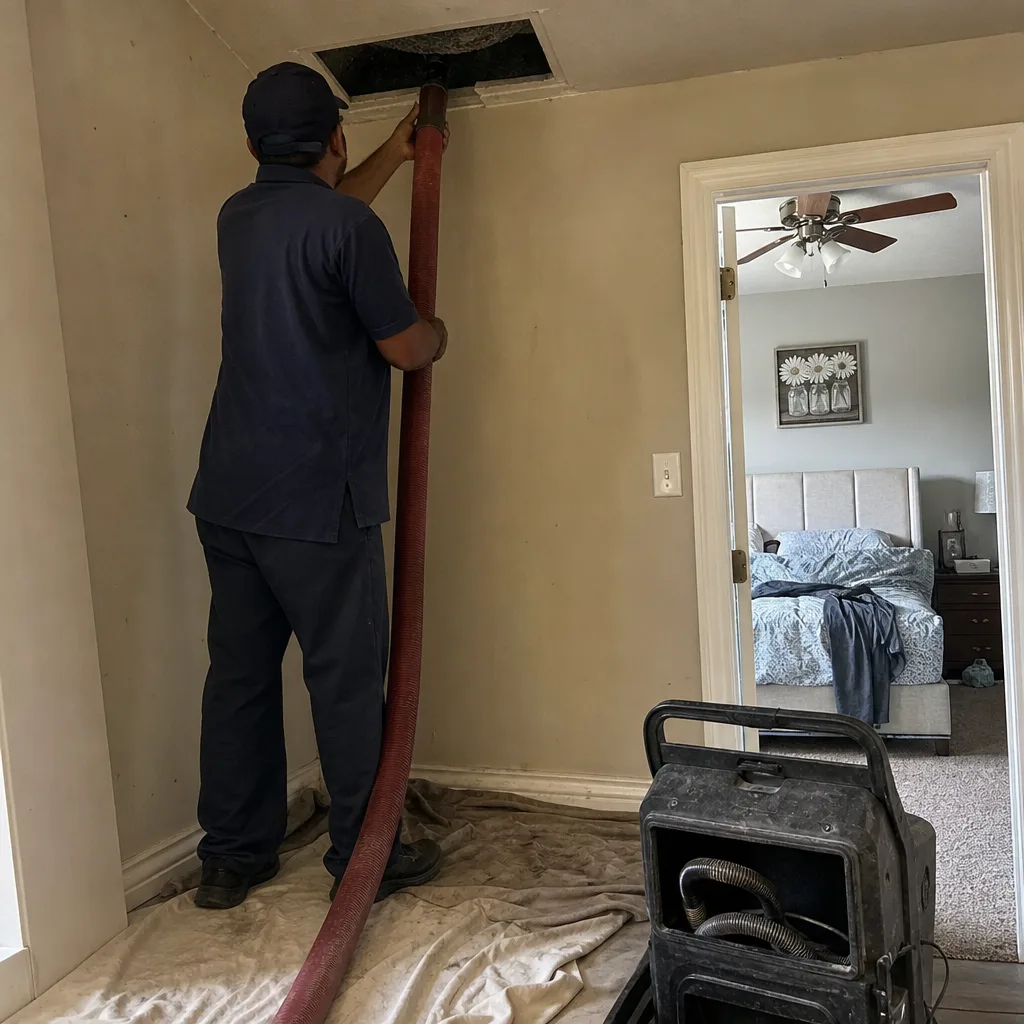 Before
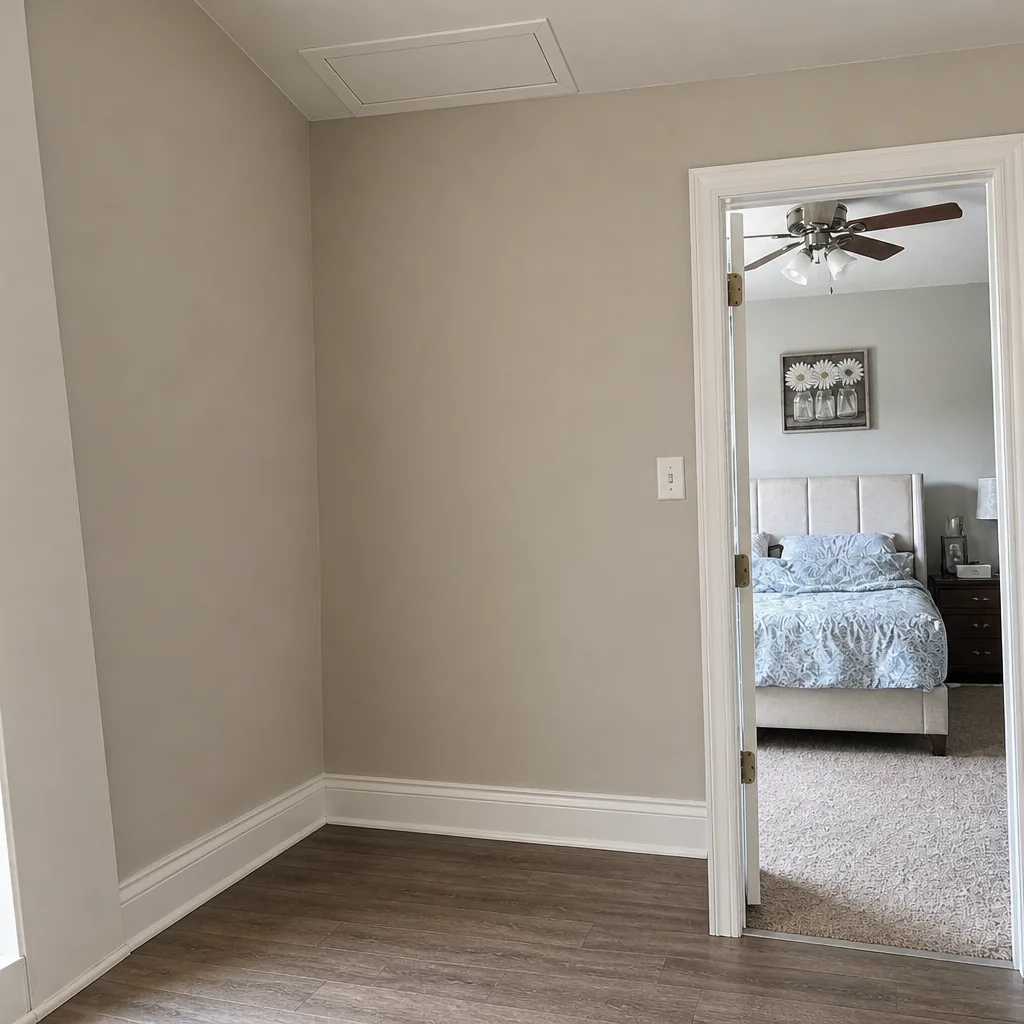 After
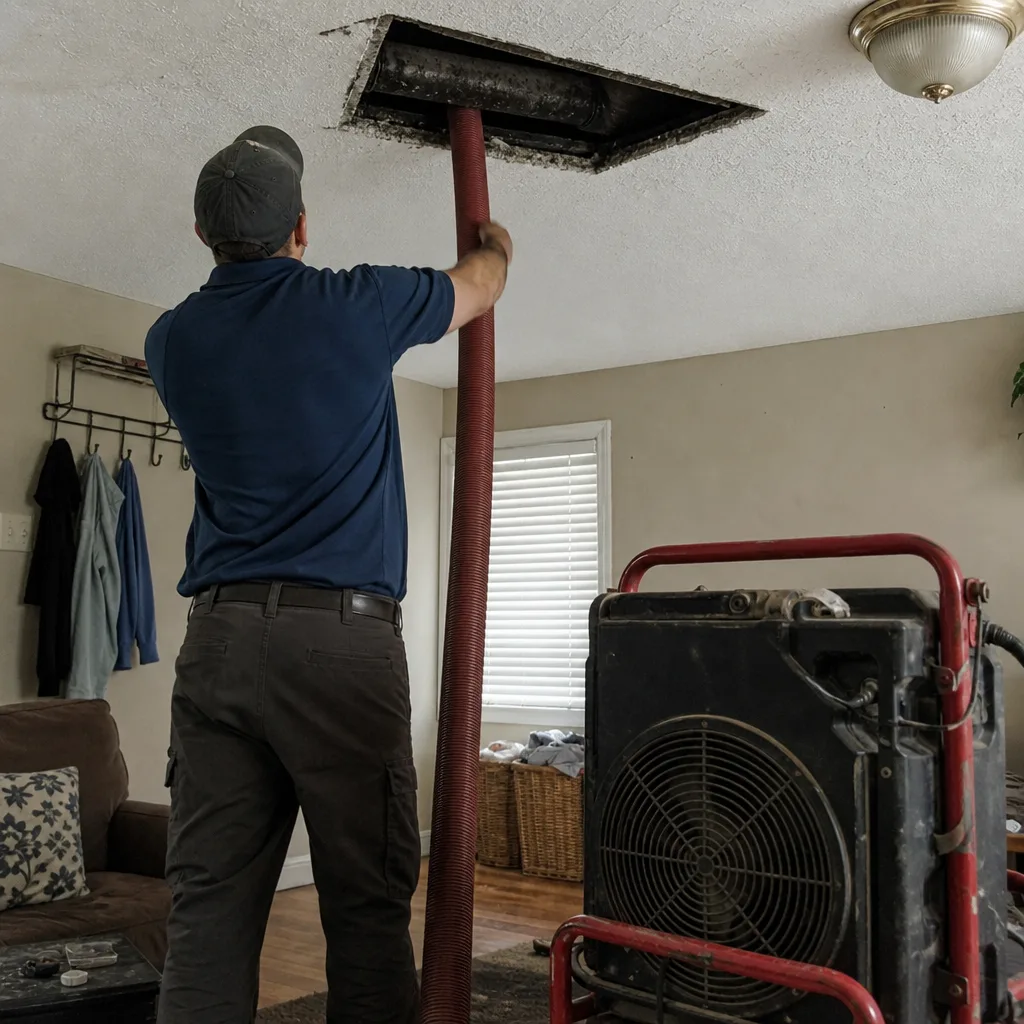 Before
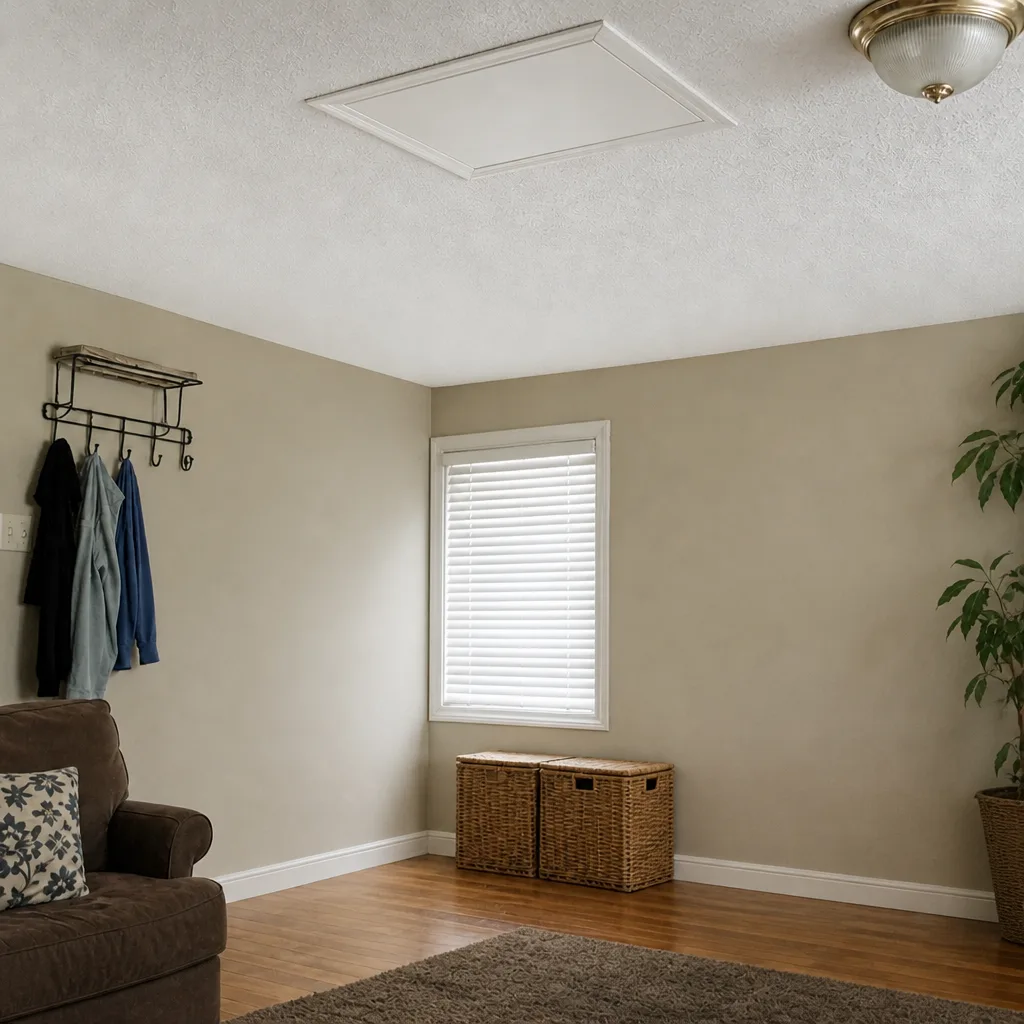 After
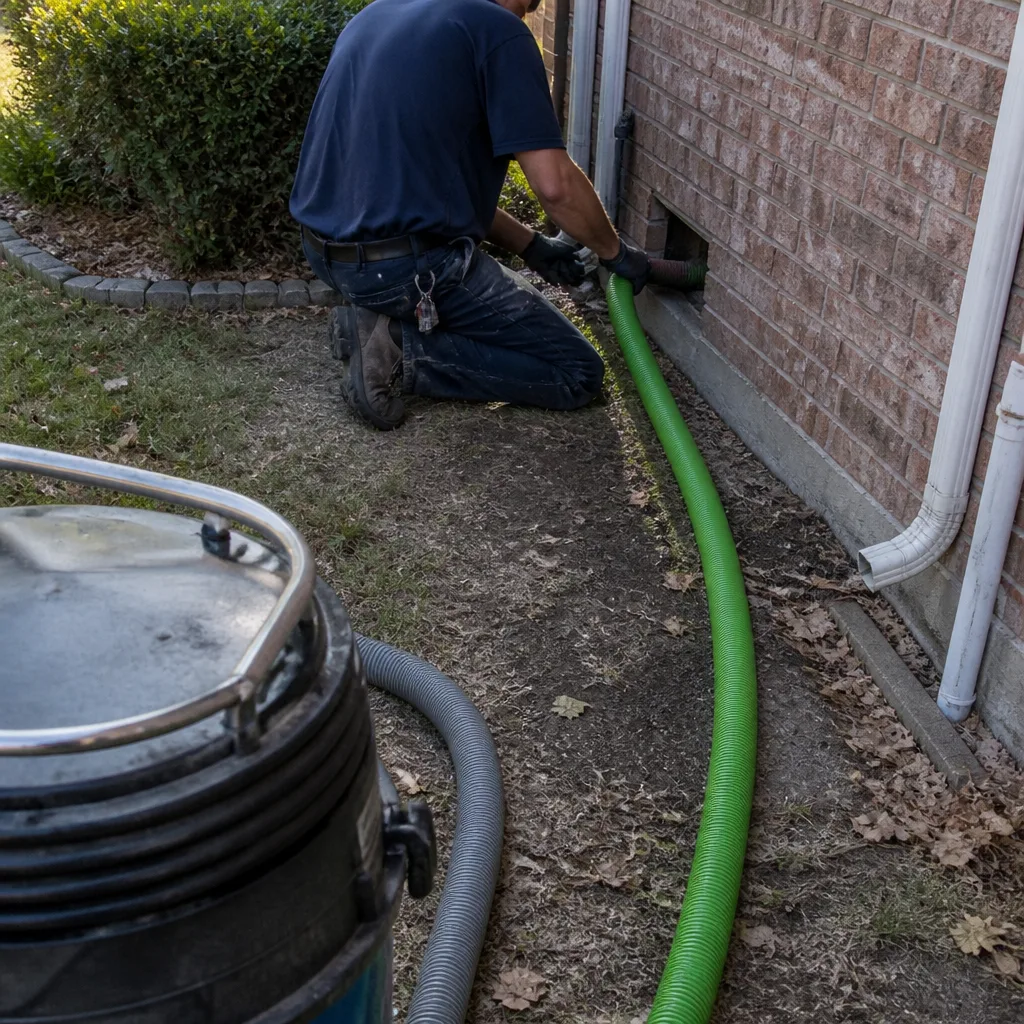 Before
 After
When to Call a Professional
If you’re seeing visible debris blowing from registers, a persistent musty smell when the system runs, unusual dust accumulation, or a condenser that keeps cycling without keeping up, the duct system is usually the place to look. If your dryer takes two cycles to dry a load, the vent is likely restricted and should be addressed. If a technician told you a run was disconnected, or if you’re preparing to sell a home with duct repair on the record, getting an inspection early is the practical move.
The trickier call is a suspected repair. Anything that involves cutting into ductwork, replacing a section, or applying sealant as a permanent solution is the category where permits and licensing matter, and it’s the category where you want a professional opinion before approving anything. Duct Cleaning Allen offers free estimates in Allen. Call (866) 452-2744. We answer 24/7. Fast dispatch from 7am to 7pm, Sunday through Friday.
Frequently Asked Questions
No. Routine air duct cleaning in Allen is classified as maintenance and does not require a permit. The permit question only arises when the work modifies the duct system, such as adding an access panel, replacing a run, or applying a permanent sealant repair.
In most cases, yes. Duct repair that changes the physical makeup of the system falls under Texas Mechanical Code Chapter 6 and generally requires a mechanical permit from the City of Allen’s building department. The licensed mechanical contractor doing the work usually pulls the permit, and the work is inspected before the permit closes.
The cheapest quotes tend to be per-vent pricing that doesn’t cover the whole system, or a coupon price that grows into a larger invoice once the technician is on site. Ask for one flat price per system, in writing, before work starts. A written estimate should name the scope of work, and the final price should match it.
Ask for before-and-after photos of your own ducts. Not stock images. Interior camera footage taken before and after cleaning is the strongest proof, and photos of your own system are the next best. A written invoice with a scoped work description is the baseline, and the photos are what make it credible.
Most homes in this climate do fine with cleaning every few years, and homes with pets, recent remodeling, or visible buildup need it sooner. There’s no universal schedule. What matters more is a genuine inspection: a camera run through the system tells you whether cleaning is actually needed, rather than a schedule based on guesswork.
Yes, it usually adds a layer. Duct repair following mold remediation typically requires containment measures and documentation that the affected area was cleaned before the rebuild, along with the mechanical permit for the repair itself. Confirm the specific documentation requirement with your contractor and, where applicable, the City of Allen building department.
You can, but it becomes a negotiation issue. A buyer who pulls the property’s permit file will see whether the repair was permitted and inspected. Unpermitted work can trigger a request to permit it retroactively, which sometimes means removing the work to inspect it. The cleaner path is getting the permit done properly the first time.
The Bottom Line
Routine air duct cleaning in Allen doesn’t need a permit. Duct repair usually does, and the line between them is what actually matters. Texas Mechanical Code Chapter 6 governs duct materials, sealing, support, and clearances when the system is modified, and the City of Allen’s building department reviews mechanical permits for that work. If the repair follows mold remediation, expect additional containment and documentation requirements. If you’re selling a home in Allen, permits and inspection records follow the property and show up in a buyer’s review. Document everything, ask who’s licensed to pull the permit, and ask which category your job falls into before anyone cuts into the ductwork. One flat price per system, agreed in writing before work starts, is the standard to hold anyone to.
If you want a straight answer on whether your duct work needs cleaning, repair, or a permit call, we can tell you. Call (866) 452-2744 for a free estimate. We answer 24/7. Fast dispatch from 7am to 7pm, Sunday through Friday. We’re closed Saturday.
Written by the team at Duct Cleaning Allen.